




Painted Splat Chair
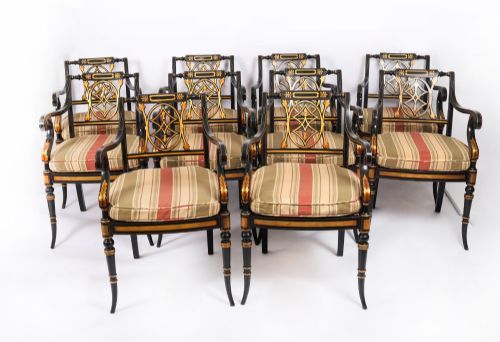
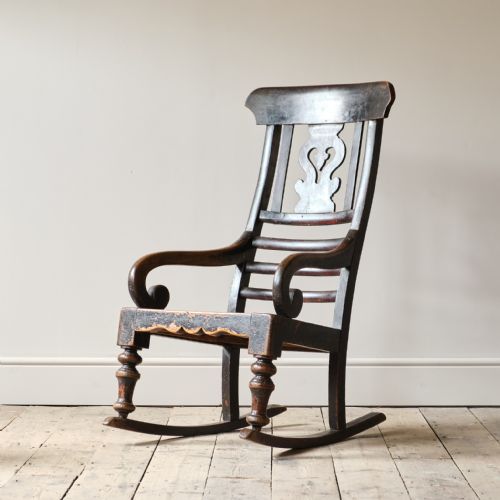
A painted splat chair brings character and colour to a room, offering functional seating defined by a decorative central vertical slat.
Painted Splat Chair
A painted splat chair relies on a central vertical wooden slat within the backrest to provide support and visual interest. Buyers searching for a painted splat chair encounter various historical interpretations, ranging from refined 18th Century seating to rustic country versions.
The selections available include dining chairs, armchairs, rocking chairs, and side chairs spanning multiple eras. Gustavian style dining chairs, Georgian mahogany pieces, and Queen Anne influenced designs frequently appear.
Origin and regional style dictate the overall form, moving between traditional Chinese aesthetics, Alpine folk art, and British country traditions. Elm, ash, oak, and mahogany provide the underlying wooden structures for these varied seating forms.
Materials and construction
Construction relies on traditional hardwoods such as elm, ash, oak, and mahogany, shaped into solid frames and supportive backrests. Joinery techniques secure the uprights and splats to ensure structural durability across centuries of use.
Surfaces receive decorative treatments including paint, lacquer, and distressed finishes to alter the appearance of the wood. Fabric upholstery appears on specific models to add padding to the seat bases.
Painted Splat Chair Retail Price Guide 2026
Typical asking prices for painted splat chair among the pieces listed under this phrase on Sellingantiques today, from the lower quarter to the upper quarter. They describe what is for sale here now, not the wider market.
Listings feature periods spanning the eighteenth century through to the early twentieth century.
Assessing quality
Quality rests in the precision of the woodwork and the integrity of the original or applied painted surface. Finer examples display carefully carved splats and balanced proportions that reflect their specific stylistic period.
The execution of decorative paintwork distinguishes standard commercial pieces from finer artisanal or folk art examples. Uniformity across matched sets of dining chairs indicates careful workshop production.
The Painted Splat Chair Glossary
- Splat
- The vertical wooden strip running up the centre of a chair backrest. It often takes a vase, fiddle, or ladder shape.
- Gustavian
- The Swedish interpretation of French neoclassical design, characterised by pale painted finishes and restrained classical motifs.
- Windsor
- A traditional chair construction method where legs and back spindles are fitted directly into a solid wooden seat.
- Chippendale
- A mid-18th Century style known for elaborate pierced splats and flowing cabriole legs.
- Distressed
- A surface finish treatment designed to simulate age and wear on painted or polished wooden furniture.
Painted Splat Chair: Frequently Asked Questions
What is a splat chair?
A splat chair incorporates a vertical wooden slat down the middle of the backrest for structural support and ornament. This design element defines the profile of many traditional seating styles.
Craftsmen shape this central slat into various geometric and vase-like silhouettes. It remains the defining visual feature of the furniture type.
How do I date these chairs?
Dating relies on examining the timber species, construction joinery, and the stylistic cues of the period. Georgian and Victorian pieces show distinct carpentry methods compared to later revivals.
Surface finishes also help determine age, as original paint layers exhibit specific types of wear and oxidation. Comparing the overall silhouette to known historical styles clarifies the timeframe.
Are painted chairs durable?
Solid hardwoods like oak, elm, and mahogany provide a sturdy structural foundation for daily use. The underlying timber determines the physical strength of the frame.
Applied paint and lacquer surfaces require sensible placement away from excessive moisture to prevent flaking. Regular care preserves the decorative finish over decades.
Where do folk art chairs originate?
Austrian, Hungarian, and Alpine folk art chairs originate from regional European vernacular traditions. Local makers utilised accessible timbers such as ash and pine.
These pieces typically feature hand-painted floral or geometric motifs unique to their district. They reflect local craftsmanship rather than formal court aesthetics.