


Painted Round Table
A painted round table brings charm to a room, offering practical surface space alongside decorative character rooted in nineteenth-century and early twentieth-century traditions.
Painted Round Table
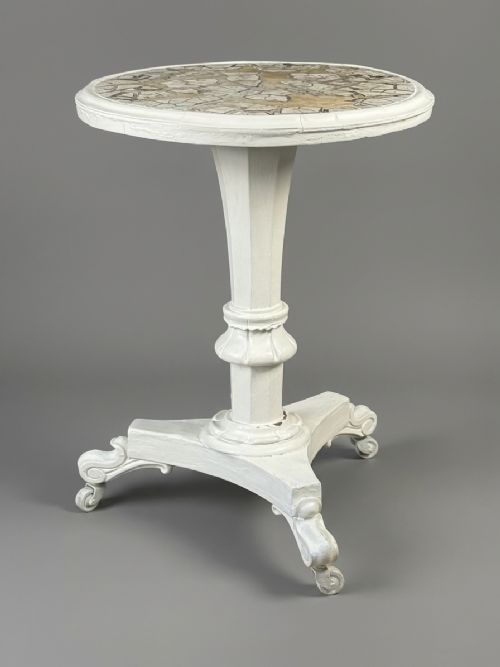
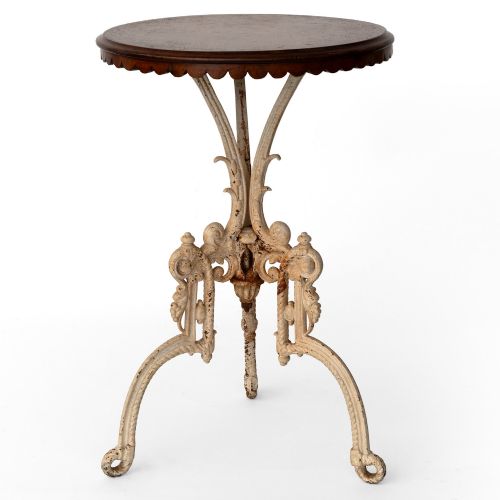
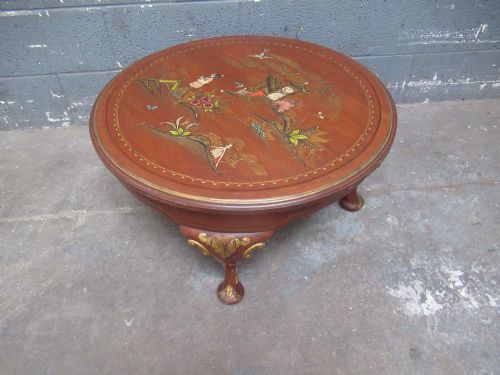
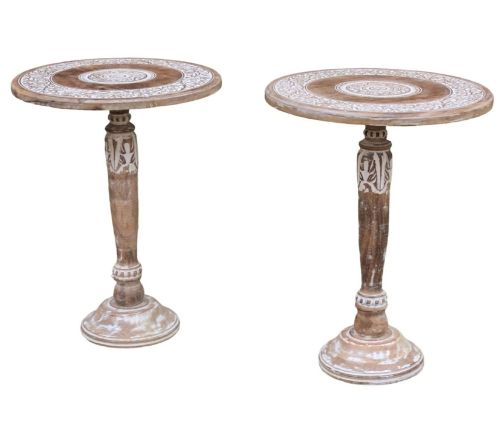
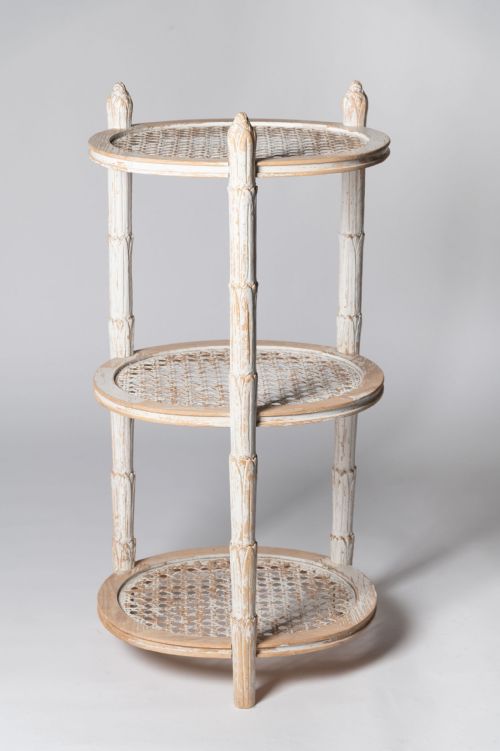
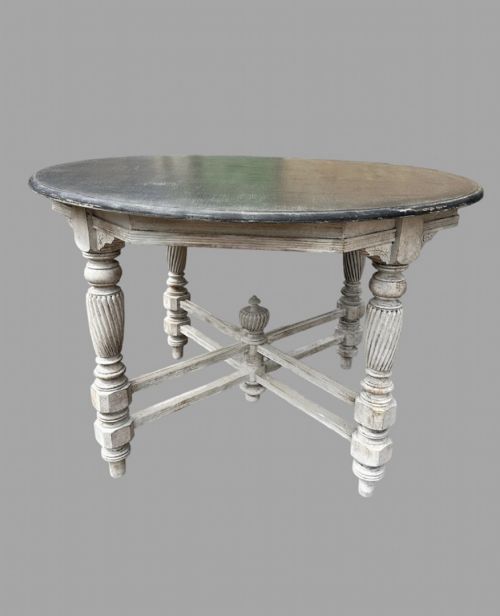
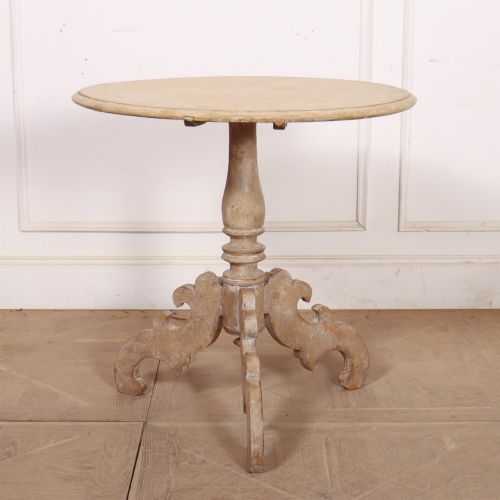
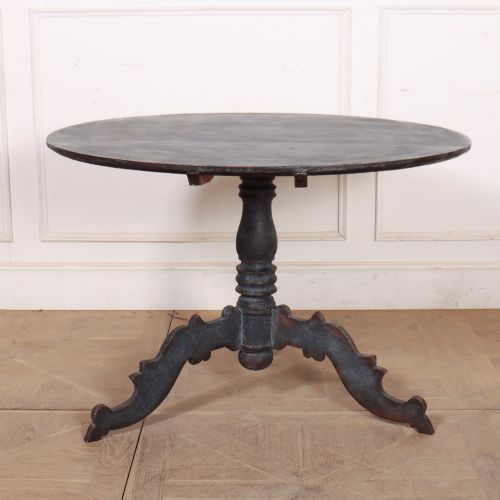
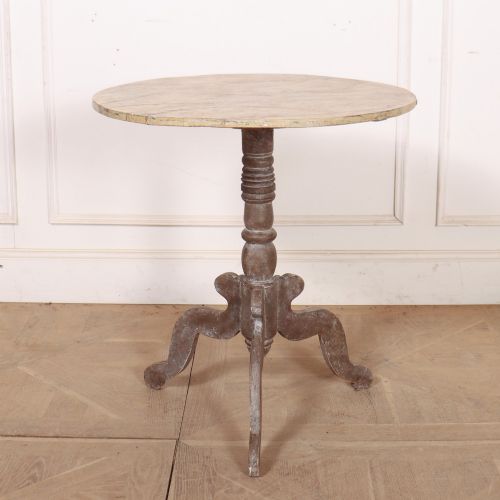
A painted round table encompasses diverse forms ranging from compact lamp tables and tripod occasional pieces to larger centre tables, dining furniture, and garden settings. Buyers searching for a painted round table encounter pieces spanning the Victorian era, the nineteenth century, and the 1920s.
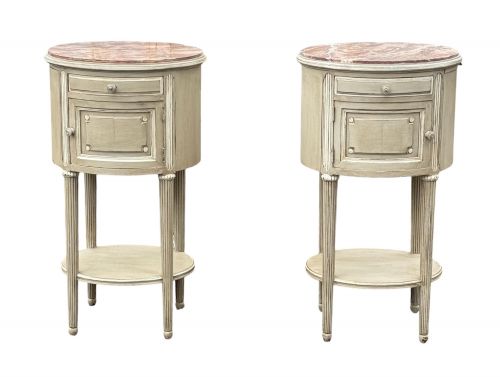
Originating largely from European workshops, these tables combine timber frames with decorative painted surfaces, lacquer, or marble insertions. The variety extends to console and demi-lune formats alongside pedestal and tilt-top designs.
Materials and Construction
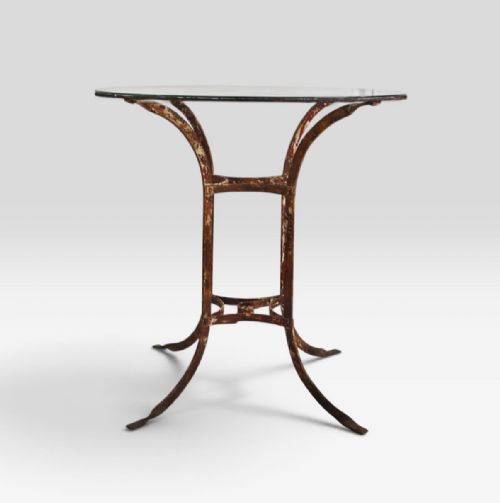
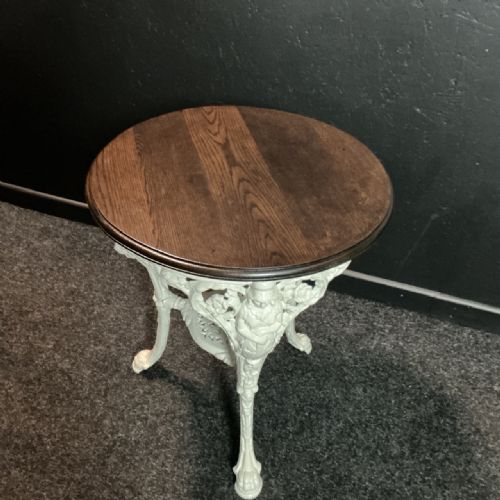
Construction relies on wood such as pine, oak, sycamore, and mahogany, often paired with contrasting materials like marble tops, brass fittings, and cast iron bases. Craftsmanship involves traditional joinery appropriate to each period, supporting heavy stone surfaces or lighter occasional frames.
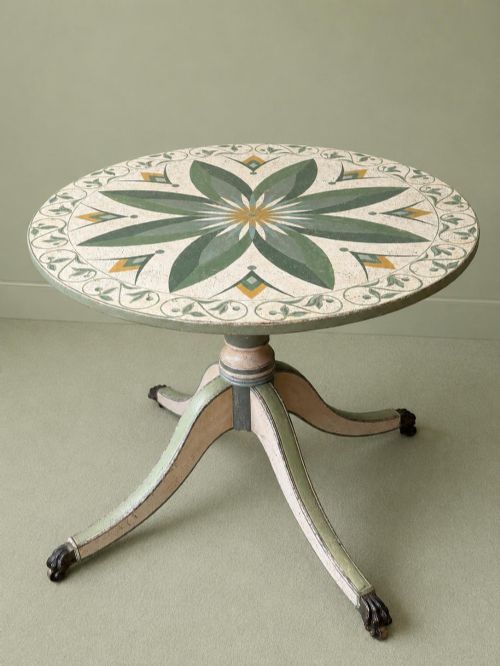
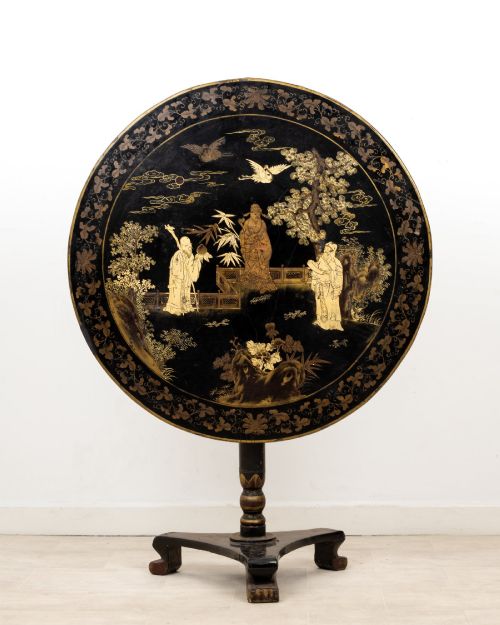
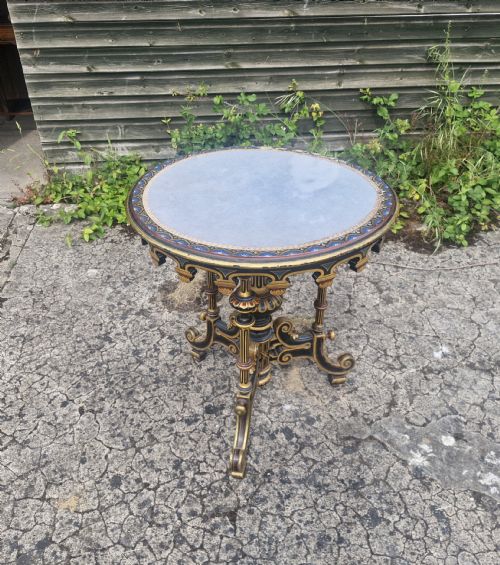
Surfaces receive decorative treatments including hand-applied paint, parcel silvering, and Chinese lacquer work. These finishes frequently preserve original patination, showing the wear of domestic or garden use over decades.
Painted Round Table Retail Price Guide 2026
Typical asking prices for painted round table among the pieces listed under this phrase on Sellingantiques today, from the lower quarter to the upper quarter. They describe what is for sale here now, not the wider market.
Some nineteenth-century tables come with cast iron frames, proving that garden furniture was built to withstand an impromptu thunderstorm.
Assessing Quality and Execution
Quality rests in the integrity of the timber frame, the stability of pedestal or tripod bases, and the preservation of original decorative paint or lacquer work. Tables retaining authentic surface finishes and undamaged marble inserts demonstrate higher regard among collectors.
Proportion and execution distinguish standard utility furniture from finer decorative works, such as Neoclassical satinwood pieces or parcel-silvered Empire style centre tables. The sophistication of the hand-painted detailing and the harmony of form elevate certain examples above simpler rustic counterparts.
The Painted Round Table Glossary
- Gueridon
- A small round French table, often featuring a central pedestal base and a marble top. These pieces frequently date from the nineteenth century and serve as occasional or display furniture.
- Cricket table
- A small, sturdy wooden table typically built with three splayed legs and a round top. This traditional form offers stability on uneven floors.
- Tilt-top table
- A table designed with a mechanism allowing the surface to pivot to a vertical position when not in use. This clever space-saving feature became popular in the Victorian period.
- Demi-lune
- A half-moon shaped table designed to stand flat against a wall. Pairs of these tables can be joined together to form a complete round dining surface.
- Parcel silvered
- A decorative technique where specific carved details or mouldings are highlighted with thin layers of silver leaf. This treatment adds subtle reflection to painted woodwork.
Painted Round Table: Frequently Asked Questions
How do I use a gueridon table?
A gueridon table works well as a freestanding centrepiece in a hallway or as an occasional surface beside seating. Its compact round top and sturdy base hold lamps, books, or decorative objects without dominating the room.
Marble-topped French variants also suit conservatories or dining spaces where a durable, wipe-clean surface is useful.
Where should I place a tilt-top table?
A tilt-top table fits neatly into corners or vacant wall spaces when the top is locked in its vertical position. This allows you to display the decorated surface as a piece of art when the table is not actively in use.
When lowered horizontally, it provides a convenient surface for drinks or lamps in a living room or study.
What is a cricket table used for?
A cricket table provides a stable, compact surface thanks to its traditional three-legged tripod construction. Historically used in cottages, it functions well today beside an armchair or as a bedside table.
The simple wooden design complements rustic and country house interiors.
How do I care for painted wooden tables?
Care for painted wooden surfaces by dusting gently with a dry, soft cloth and avoiding harsh chemical cleaning agents. Protect the paintwork from direct sunlight and excessive moisture to preserve the original finish.
For tables with marble tops, wipe spills promptly to prevent staining the stone.