






Painted Porcelain Light
Painted porcelain light fixtures span centuries of ceramic artistry converted into illumination, drawing collectors with their hand-painted glazes and varied global origins.
Painted Porcelain Light
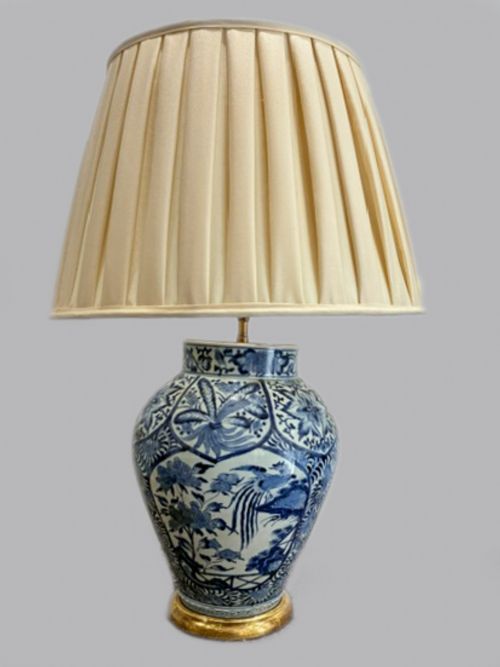
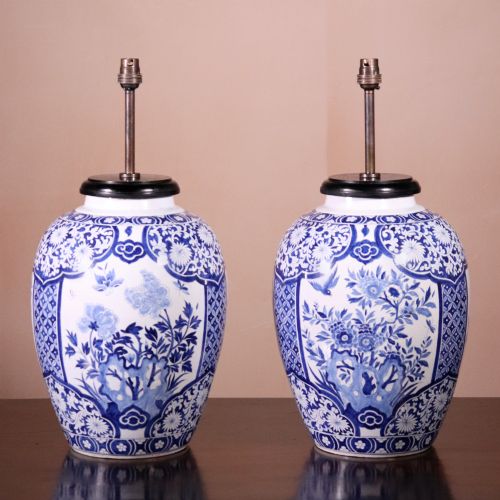
A painted porcelain light typically takes the form of a converted antique vessel, such as a Chinese ginger jar or a Japanese Satsuma vase, adapted into a table lamp. These pieces incorporate historical ceramics from the seventeenth through the early twentieth centuries, reimagined to serve functional lighting roles.
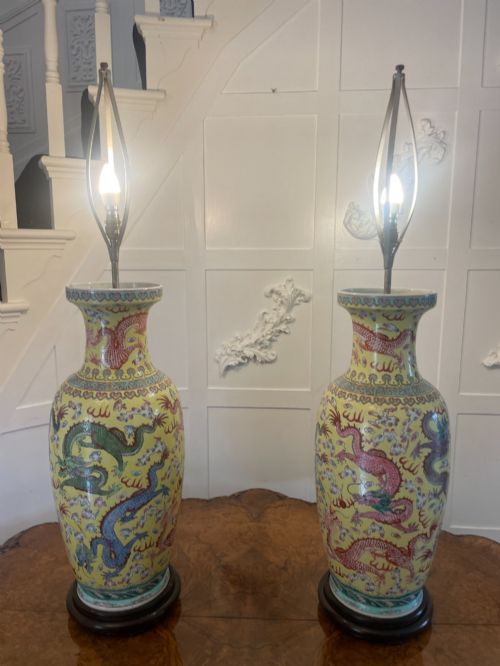
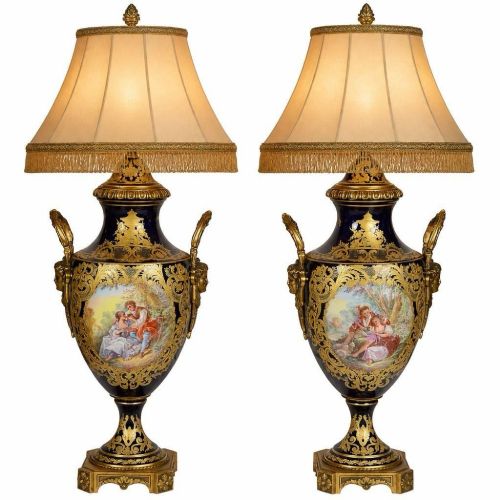
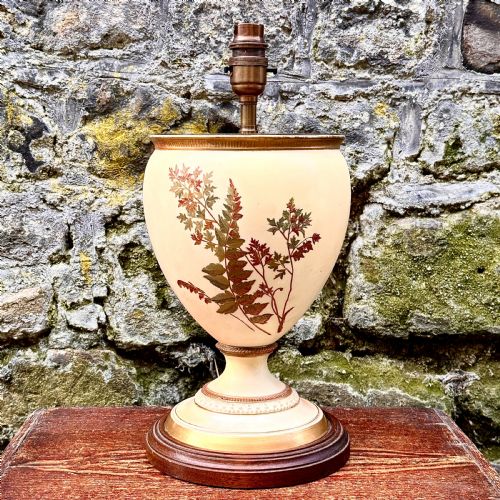
Buyers frequently encounter pairs of nineteenth-century Chinese Famille Verte or blue and white vases fitted with electrical hardware alongside European factory productions. French Sevres style lamps and English Royal Worcester pieces also appear regularly among the selections.
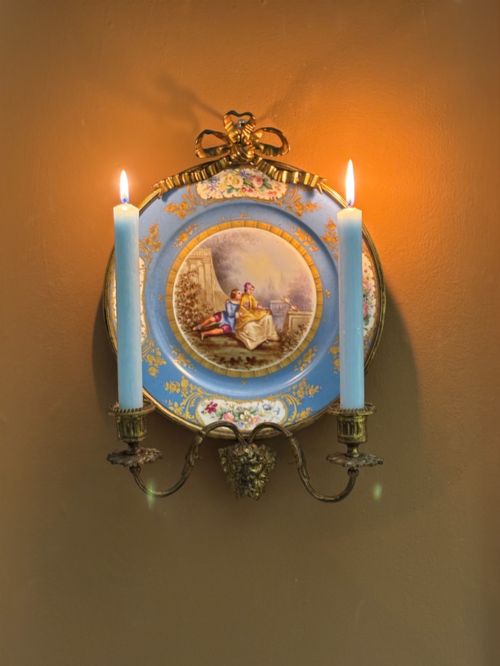
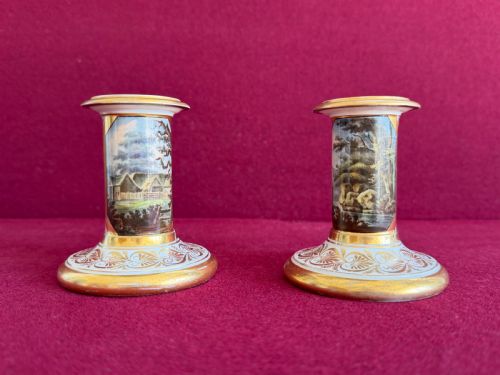
The category extends beyond simple table lamps to encompass wall sconces, figural candelabra, and chandeliers incorporating ceramic elements mounted in brass or ormolu. Each object bridges traditional pottery manufacture with period interior lighting needs.
How they were made
The primary material foundation combines high-fired ceramic body paste with applied mineral pigments for hand-painted surface decoration, often finished with a clear gloss glaze. Artisans applied cobalt blue, famille rose enamels, or polychrome designs directly to the porcelain before secondary kiln firing.
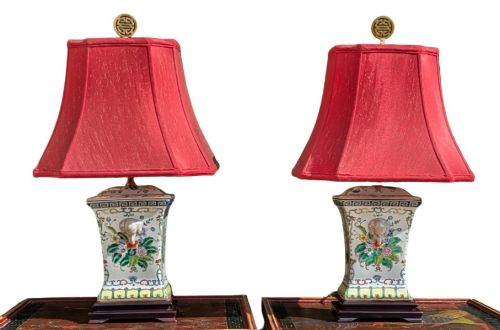
Metal mounts in brass, bronze, and gilt ormolu frequently secure the porcelain bodies, providing structural integrity for wiring, candle arms, or shade supports. Wood and fabric components, including silk and tailored shades, complete the assembled lighting fixtures.
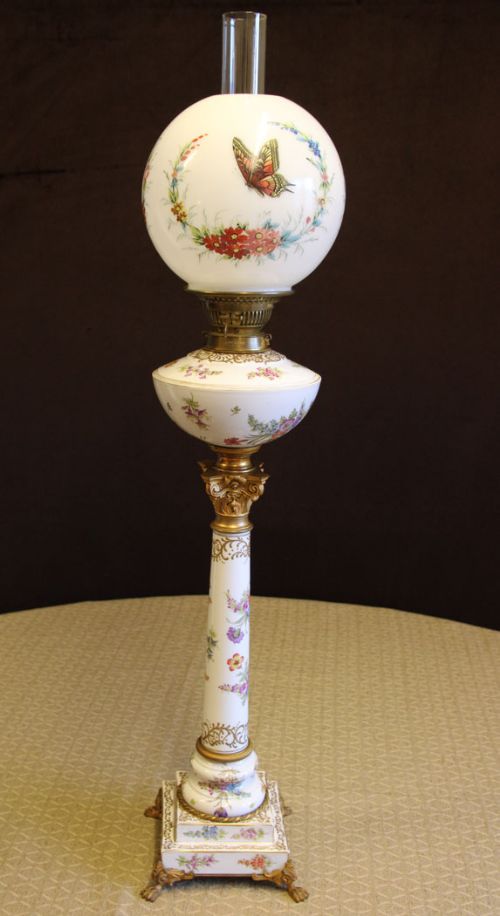
Many historical examples began life purely as decorative vessels or oil-burning lamps before receiving later electrical conversions. Metal fittings were custom cast or turned to match the contours of individual vases without damaging the underlying ceramic bodies.
Painted Porcelain Light Retail Price Guide 2026
Typical asking prices for painted porcelain light among the pieces listed under this phrase on Sellingantiques today, from the lower quarter to the upper quarter. They describe what is for sale here now, not the wider market.
Listings feature porcelain lighting from the seventeenth century through the 1930s, encompassing Chinese export, Japanese Meiji, and Victorian European styles.
What varies in quality
The finesse of the hand-painted brushwork distinguishes standard production ware from superior examples, with finer pieces exhibiting precise detail in facial expressions, floral motifs, and landscape scenes. The depth and clarity of the glaze, whether celadon, cobalt, or famille rose enamel, heavily influence the visual impact.
The integration of metal mounts dictates structural success, as superior items employ heavy cast bronze or ormolu that conforms precisely to the ceramic contours rather than generic commercial fittings. The original integrity of the porcelain body, free from extensive restoration or hairline fractures, maintains the inherent value of the antique.
Proportion and balance between the ceramic base and any added hardware determine the aesthetic cohesion of the final lighting piece. Pairs matching in both glaze saturation and vessel dimensions demonstrate greater workshop consideration than assembled matches.
Royal Worcester·Barr Flight and Barr·Sitzendorf·Gien
The Painted Porcelain Light Glossary
- Famille Verte
- A palette of green enamel colours dominant in Chinese Qing dynasty porcelain decoration. This classification includes detailed floral and figural compositions painted over the glaze.
- Famille Rose
- A grouping of Chinese porcelain enamels characterised by an opaque pink or rose colour derived from colloidal gold. This palette arrived during the eighteenth century and continued through later revival periods.
- Ormolu
- Gilded bronze mounts used extensively in French and English decorative arts to embellish porcelain bases and candelabra. The technique involves applying a gold amalgam to heated bronze.
- Satsuma
- Japanese earthenware or porcelain decorated with intricate polychrome enamels and gilt detailing. These wares often depict traditional figures and landscapes.
- Ginger Jar
- A wide-shouldered ceramic storage vessel with a high domed lid, frequently adapted for use as a lamp base. Blue and white versions remain particularly common in nineteenth-century interpretations.
Painted Porcelain Light: Frequently Asked Questions
How do I date a porcelain lamp?
Dating relies heavily on stylistic markers within the hand-painted glaze, the composition of the ceramic paste, and any maker marks stamped on the base. European factories often utilised specific impressed ciphers, while Asian wares correspond to particular dynastic periods or export eras.
Hardware components and wiring styles also offer clues, though many antique vessels received electrical conversions decades after their initial manufacture. Comparing the potting thickness and enamel saturation helps place the piece within the wider nineteenth or early twentieth-century timeline.
Can converted vases safely hold light?
Professional conversion typically involves running a discreet cord through a drilled base or mounting the electrical components without compromising the structural integrity of the ceramic vessel. Modern rewiring ensures the internal mechanisms meet contemporary safety standards for daily household use.
Buyers should inspect the stability of the mounting brackets where the metal joins the porcelain. Ensuring the lamp sits level prevents tipping, especially when supporting heavier fabric shades.
What is the difference between Satsuma and Famille Rose?
Satsuma wares originate from Japan and typically feature dense polychrome and gilt decoration over a slightly crackled ivory-coloured earthenware or porcelain body. The motifs often focus on historic figures, court scenes, and intricate floral brocades.
Famille Rose ceramics originate from China and utilise an opaque pink enamel alongside a wider pastel palette. The painting style on these pieces frequently highlights botanical elements, birds, and narrative scenes against a clean white porcelain ground.
How do I choose lamps for a room?
Selecting painted porcelain lighting involves balancing the visual weight of the ceramic base against the scale of surrounding furniture. Taller monumental vases suit spacious tables or sideboards, while smaller ginger jars fit modest occasional surfaces.
Consider the dominant tones within the hand-painted glaze to complement existing interior colour schemes. Matching pairs provide formal symmetry on side tables, whereas single statement lamps introduce varied focal points.