


Painted Porcelain Jug
When you search for a painted porcelain jug, you find vessels formed for cream, milk, wine, or water, shaped by hand and brush across centuries.
Painted Porcelain Jug
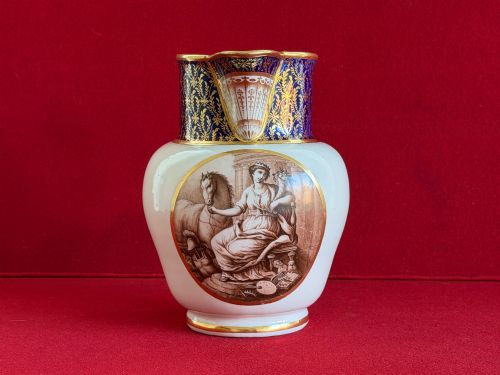
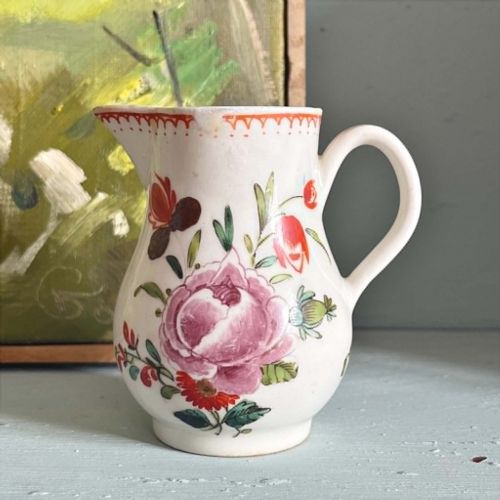
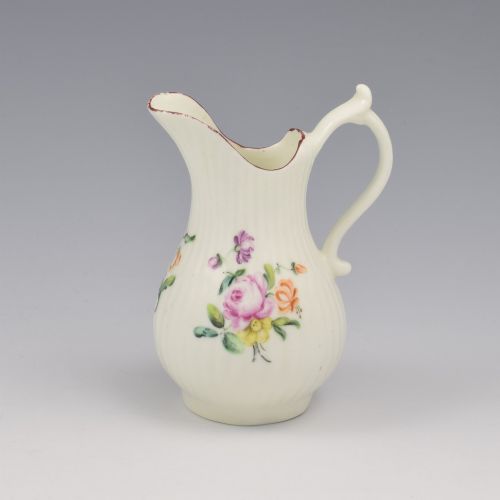
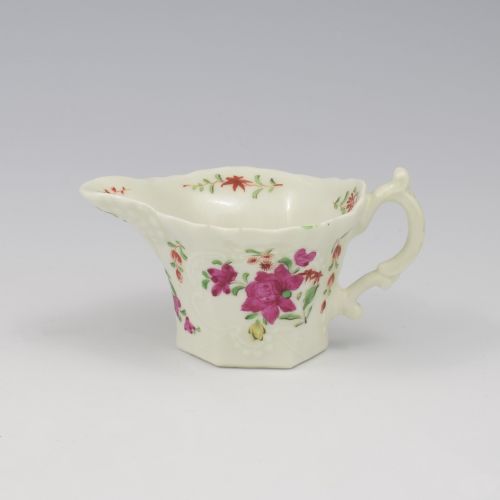
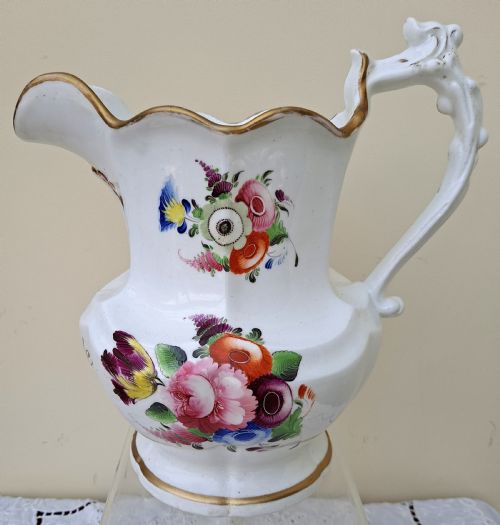
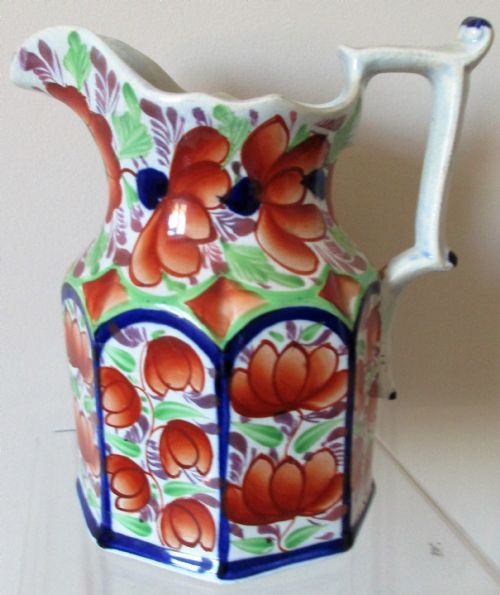
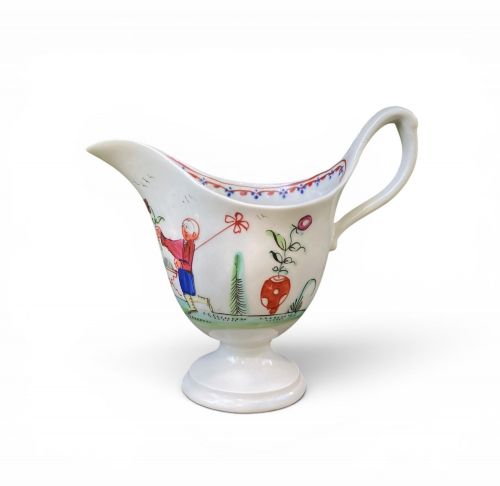
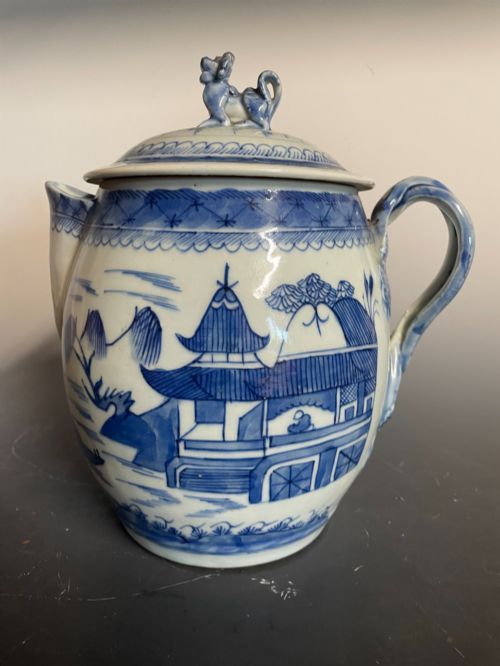
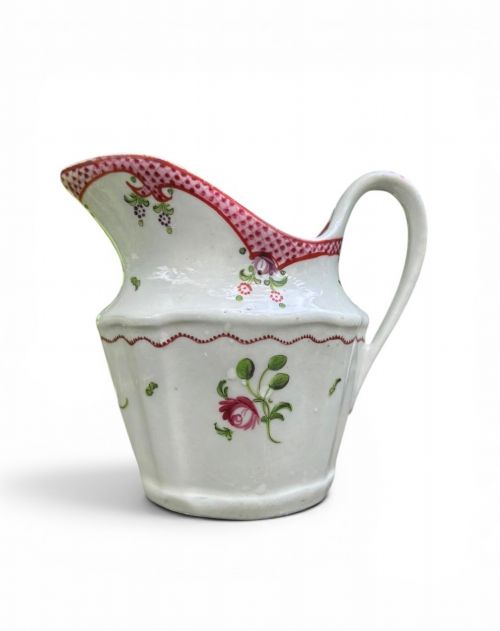
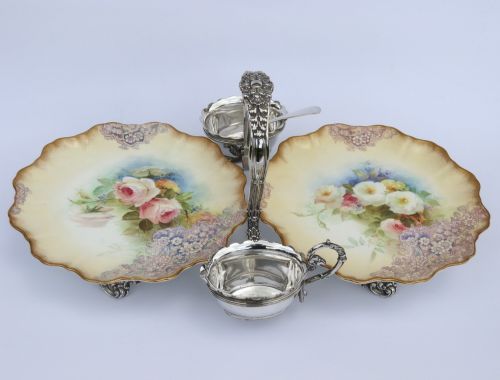
A painted porcelain jug is a utilitarian or decorative vessel shaped from clay and fired, then finished with brushwork depicting flowers, armorials, birds, and landscapes. The pieces found here span domestic creamers, milk jugs, wine ewers, and larger pitchers originating from English, European, and Asian kilns.
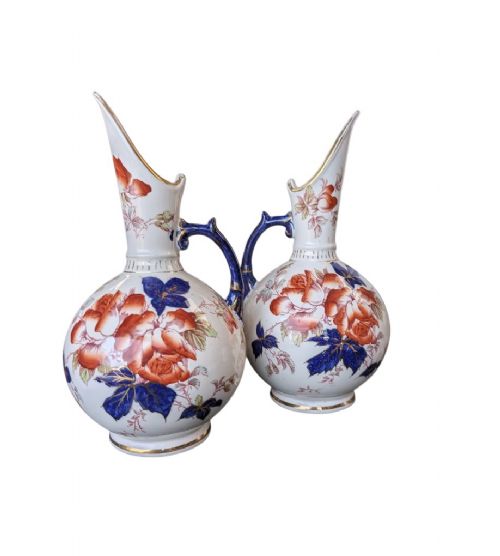
The most common versions met on this page include Georgian cream jugs from factories like New Hall and Derby, alongside late-nineteenth-century ewers and milk jugs bearing the marks of Royal Worcester and Victorian potteries. These range from small sparrowbeak creamers to large display ewers.
The forms encompass fluted balusters, dolphin handles, clip handles, and rope edges, reflecting styles from Rococo and Regency to Victorian revivals. Buyers encounter everything from eighteenth-century soft-paste paste wares to robust nineteenth-century porcelain and earthenware bodies.
How they were made
Makers shaped these vessels using porcelain, soft-paste porcelain, and earthenware bodies, often formed on a potter's wheel or cast in moulds to create complex shapes like dolphin ewers and ribbed jugs. The bodies were fired to create a vitrified or porous base ready for decoration.
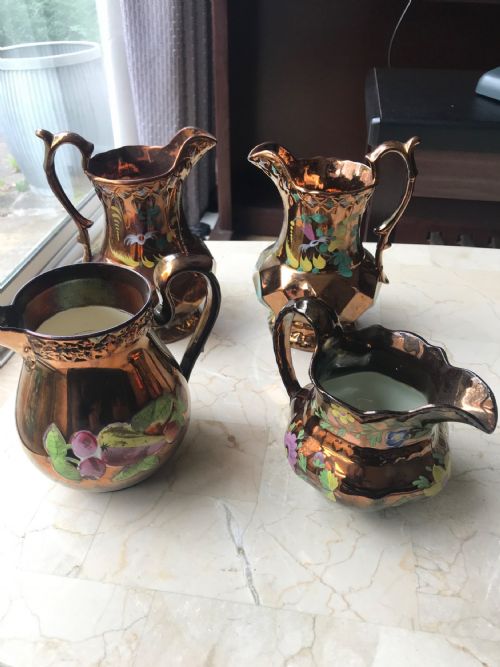
Artisans applied polychrome enamels, underglaze pigments, and hand-painted motifs directly onto the surface, frequently incorporating gold leaf, gilding, or copper lustre to highlight rims, handles, and painted panels. Subsequent low-temperature firings fixed the enamel colours and metallic applications to the glaze.
Listings feature porcelain, earthenware, and soft-paste bodies decorated with enamel, gold leaf, and gilding across the eighteenth and nineteenth centuries.
What varies in quality
Quality rests in the precision of the hand-painted brushwork, where detailed botanical studies, birds, armorial crests, or signed artist scenes distinguish superior pieces from standard transfer-printed or simply decorated ware. The crispness of moulded details, such as fluting or animal forms, dictates the finesse of the original form.
The sophistication of the ceramic body and glaze also separates the output, with early soft-paste porcelain and fine bone china exhibiting greater translucency and potting skill than heavier nineteenth-century earthenware or pottery bodies.
Derby Porcelain·Bow porcelain·Dr Wall Worcester·New Hall·Walker and Hall·Doulton Burslem·Meissen·H & R Daniel·Royal Worcester·Chamberlain Worcester·Coalport Porcelain·Minton·Stevenson and Hancock·Rockingham·KPM
The Painted Porcelain Jug Glossary
- Soft-paste porcelain
- A glassy ceramic composition fired at lower temperatures than hard-paste porcelain, commonly used by eighteenth-century English factories such as Bow and early Derby. It produces a warm, slightly creamy body with a soft glaze.
- Ewer
- A large jug or pitcher with a wide spout and ornate handle, traditionally designed for holding water or wine at the table. These often feature sculptural elements like dolphin or lamprey handles.
- Gilding
- The application of gold leaf or powdered gold to ceramic surfaces, used to accent rims, handles, and panel borders. It ranges from thin painted lines to heavy burnished gold leaf.
- Sparrowbeak creamer
- A small eighteenth-century porcelain milk or cream jug characterised by a distinctive narrow, protruding lip resembling a bird's beak. These early forms are typically decorated with polychrome flowers.
- Armorial
- A painted coat of arms or family crest commissioned by landed gentry or nobility. These heraldic designs appear on eighteenth-century porcelain sauce boats and jugs.
Painted Porcelain Jug: Frequently Asked Questions
What were painted porcelain jugs used for?
These vessels served practical dining functions such as pouring cream into tea, serving milk at breakfast, or holding water and wine at the table. Many smaller examples were dedicated creamers accompanying tea sets.
Larger ewers and pitchers functioned as decorative display pieces or washing accessories in nineteenth-century homes, combining utility with artistic display.
How do I care for an antique painted jug?
Wash porcelain jugs gently by hand in lukewarm water using mild detergent, avoiding dishwashers and harsh scouring pads that can damage fragile enamels and gold leaf.
Keep pieces away from sudden temperature changes and direct sunlight to protect the glaze and prevent fading on hand-painted surfaces.
How can I tell eighteenth-century jugs from Victorian ones?
Eighteenth-century pieces often utilise soft-paste porcelain bodies with delicate hand-painted polychrome florals, sparrowbeak spouts, or early Worcester and Derby forms. The weight, paste translucency, and painting style reflect eighteenth-century aesthetics.
Victorian pieces frequently display heavier ceramic bodies, vibrant copper lustre, transfer-printed foundations with hand-coloured accents, or elaborate Rococo Revival moulding.
What does a puce mark mean on Royal Worcester?
A puce-coloured backstamp on Royal Worcester pottery indicates a factory mark applied in reddish-purple ink during specific operational periods, often associated with finer quality production.
These marks help date the piece alongside pattern numbers and artists' signatures found on painted fruit or floral designs.