

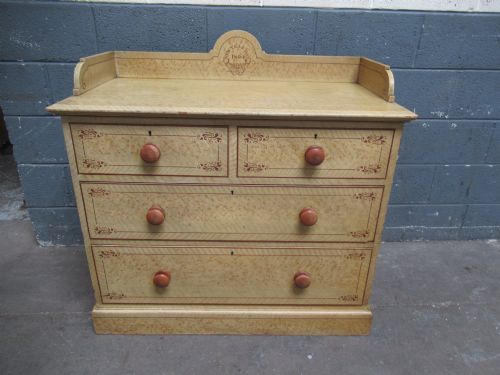
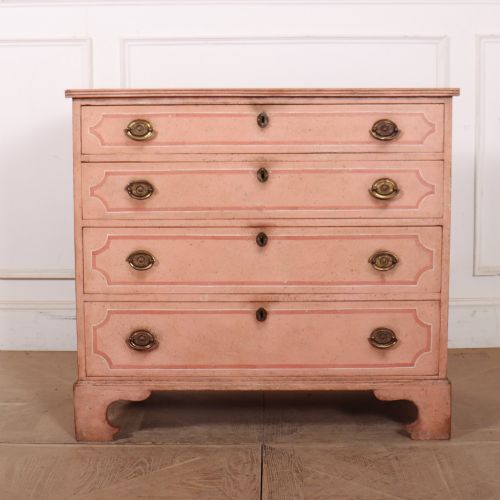
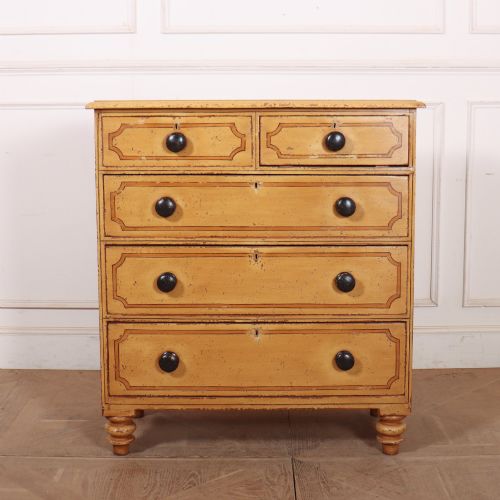
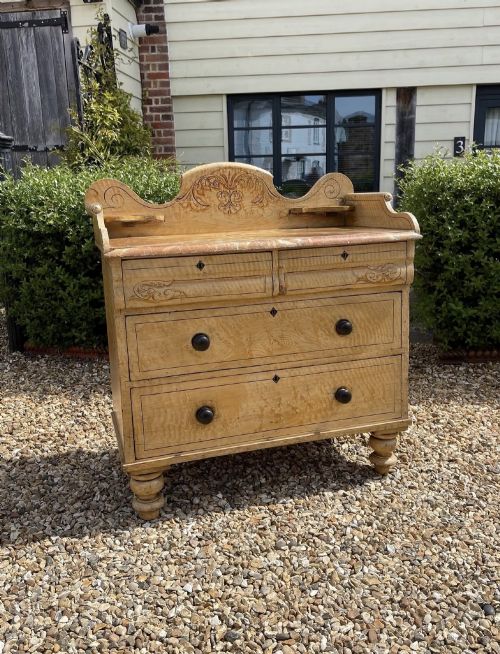
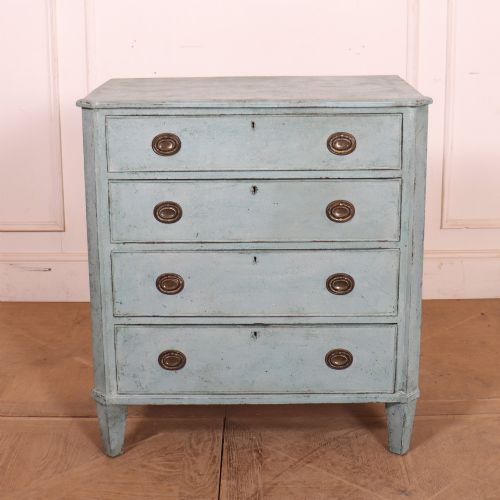
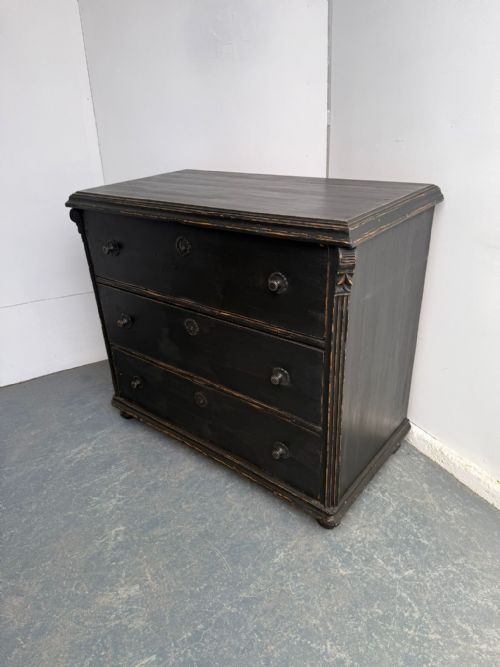
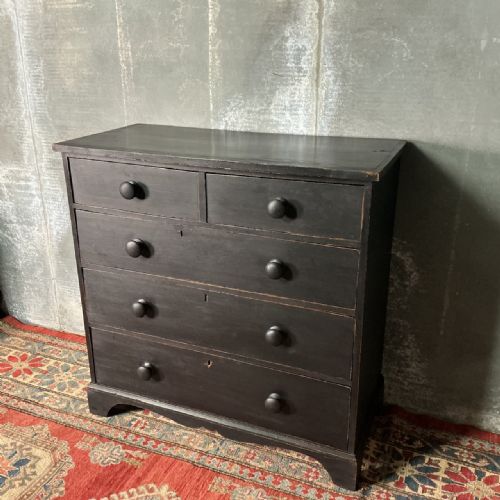
Painted Pine Commode Chest
These painted pine commode chest pieces bring robust utilitarian timber and historical pigment together for practical storage with enduring decorative presence.
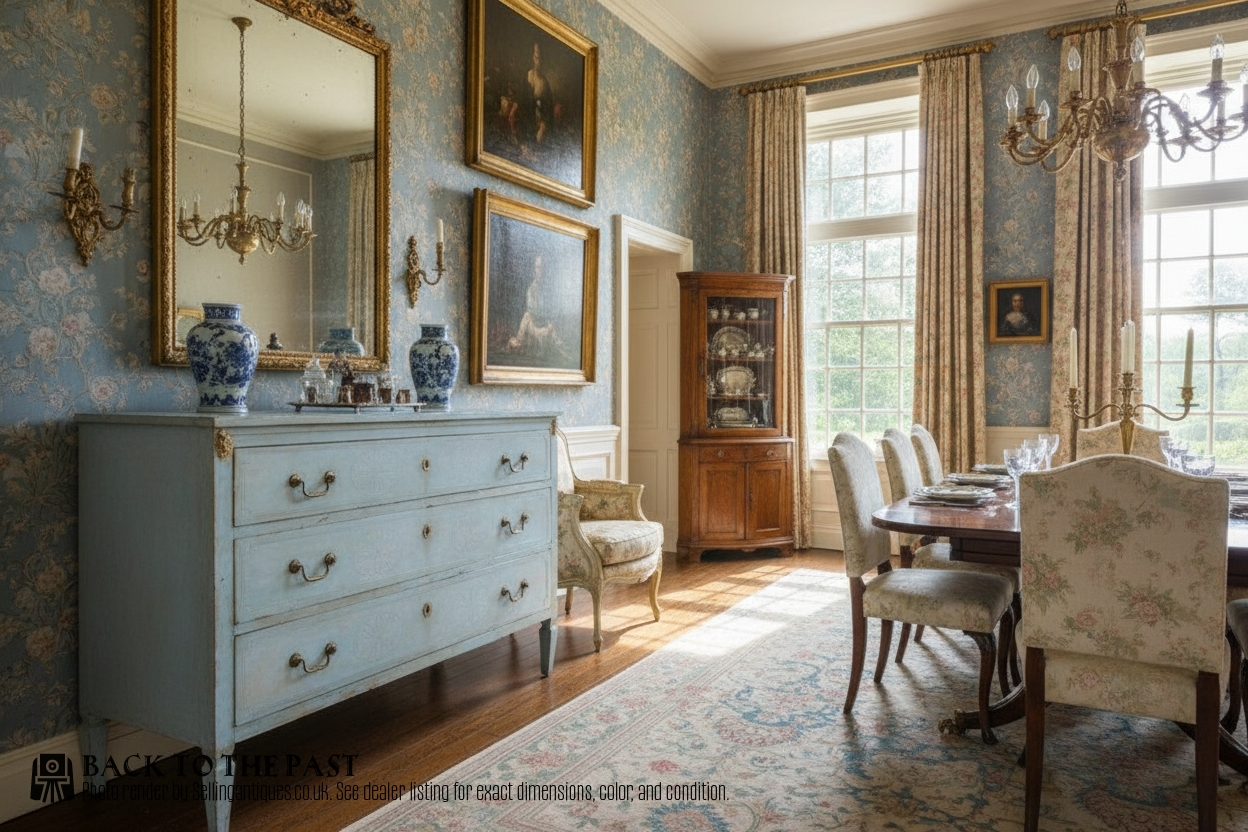
Painted Pine Commode Chest
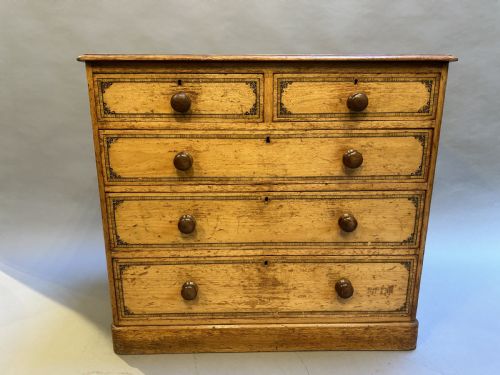
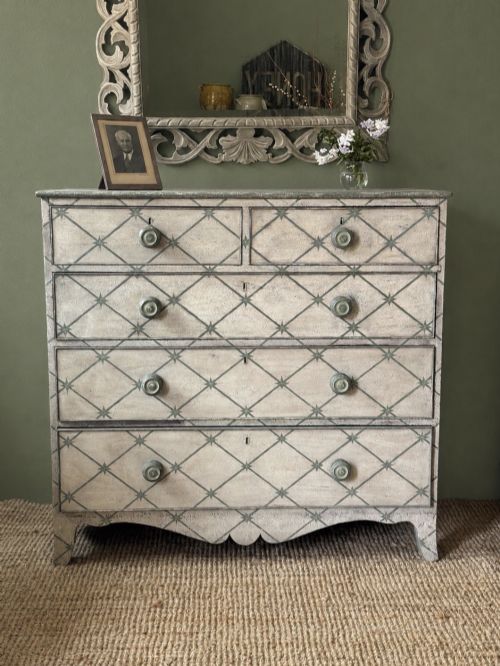
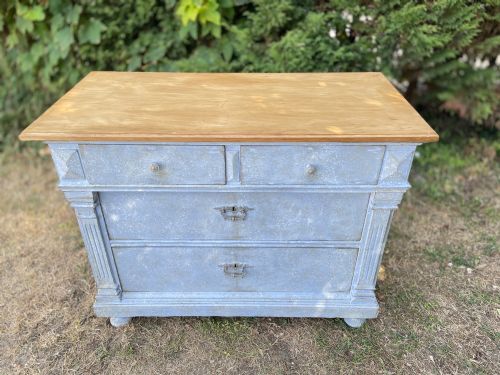
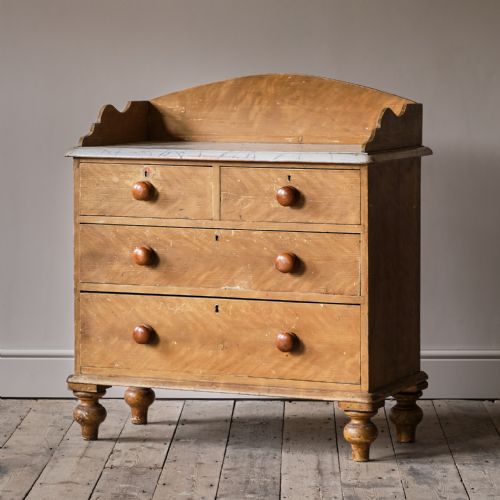
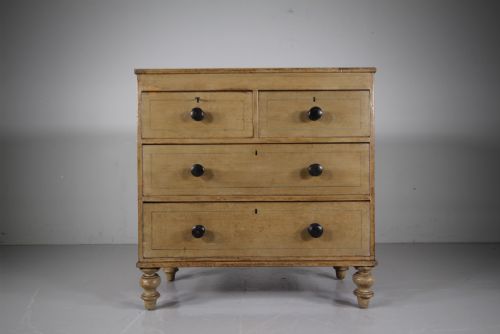
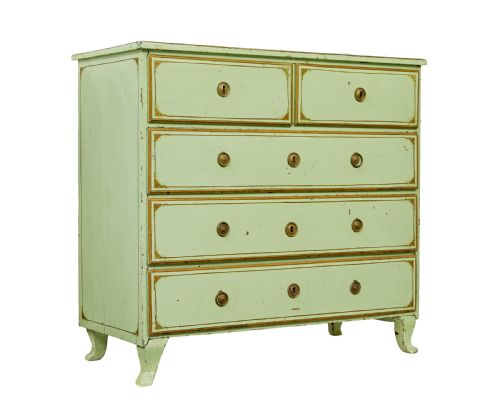
A painted pine commode chest combines the structural utility of softwood drawer units with decorative surface finishes spanning English, Hungarian, and Scandinavian traditions. These items emerge primarily from the nineteenth century, including Victorian regional workshops and continental neoclassical contexts.
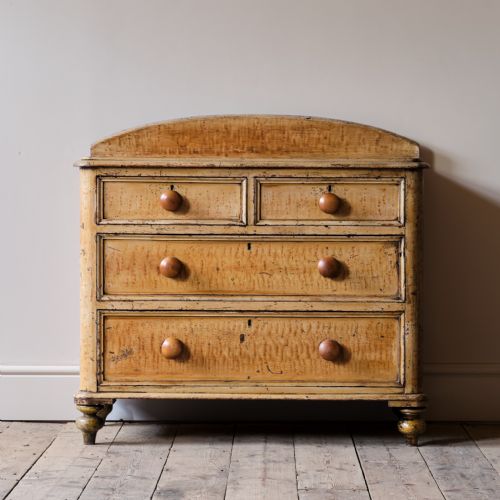
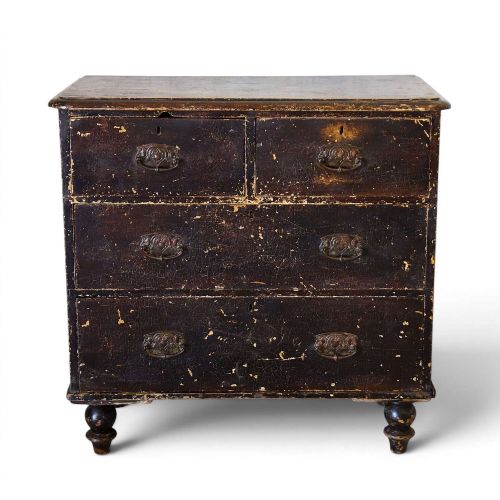
Buyers encounter British country pieces alongside Swedish Gustavian designs, featuring drawer configurations from two-over-two arrangements to tall five-drawer uprights. Many examples retain surface treatments such as original blue, grey, black, or scumbled glazes applied over the primary timber body.
Materials and construction methods
Makers constructed these carcasses predominantly from solid pine, utilising stable softwood boards joined for drawer fronts, tops, and internal framing. Iron or brass hardware often secures the drawer pulls and key escutcheons.
Surfaces received decorative coats of paint, occasionally manipulated to simulate finer timbers like birch through specialised brushwork or scumble techniques. Original pigment layers were frequently sealed or layered over successive decades of use.
Evaluating surface preservation and joinery
Quality rests significantly in the survival and integrity of the original paint layer, distinguishing undisturbed historical surfaces from later overpainting. The clarity of decorative motifs, stencilling, or simulated wood grain dictates the visual strength of the piece.
Structural execution separates standard regional utilitarian items from finer cabinetwork, particularly in the dovetailing of drawer boxes and the smoothness of drawer operation. The retention of period metal or ceramic hardware further influences the integrity of the object.
Gemla Fabrikers
The Painted Pine Commode Chest Glossary
- Scumble
- A translucent glaze brushed over a lighter base colour and manipulated with combs or rags to simulate the grain of expensive hardwoods like oak or birch.
- Commode
- A decorative chest of drawers or cabinet originating in French furniture design and later adopted across European neoclassical and country traditions.
- Gustavian
- The Swedish interpretation of French Louis XVI and neoclassical design principles, characterised by restrained carving, fluted details, and pale painted finishes.
- Serpentine
- A furniture front or top shaped with a convex centre flanked by concave curves, requiring skilled carpentry to construct in softwood.
Painted Pine Commode Chest: Frequently Asked Questions
How do I clean a painted pine chest?
Dust surfaces regularly with a soft, dry cloth to prevent particulate buildup on historical pigment layers.
Avoid harsh modern chemical solvents or excessive water, which can soften or lift original nineteenth-century paint finishes.
Are these chests suitable for bedroom storage?
These pieces provide deep drawer capacities well-folded garments and domestic linens in contemporary domestic spaces.
Ensure interior drawers remain clean and dry to protect stored fabrics from residual historical scents in the pine timber.
How do I distinguish English from Swedish pieces?
English examples typically display dark scumble glazes, straightforward Victorian proportions, or regional country construction.
Swedish pieces often exhibit lighter Gustavian grey or white paintwork, neoclassical fluting, or serpentine drawer fronts.
What does original paint mean on antiques?
Original paint refers to the primary decorative coating applied during the manufacturing period rather than later modern refurbishment.
Such surfaces show authentic wear patterns, minor chips, and craquelure that evidence decades of historical use.