

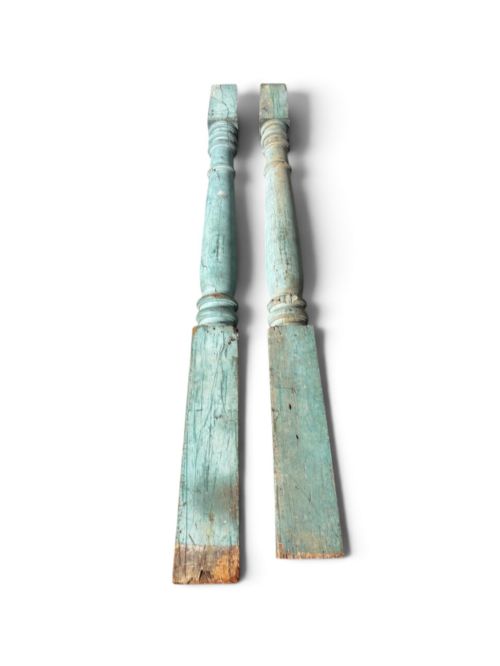


Painted Pillars
Painted pillars are architectural and decorative supports that bring colour and structure to a room.
Painted Pillars
When searching for painted pillars, buyers encounter a diverse range of items including architectural salvage columns, display pedestals, fairground pieces, and theatrical props. These objects serve both structural and decorative roles in interiors, originating from various periods spanning the Georgian era through to the 1930s.
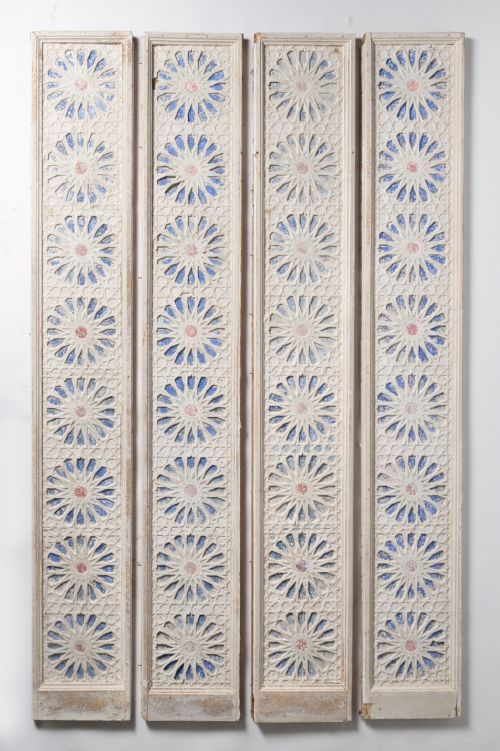
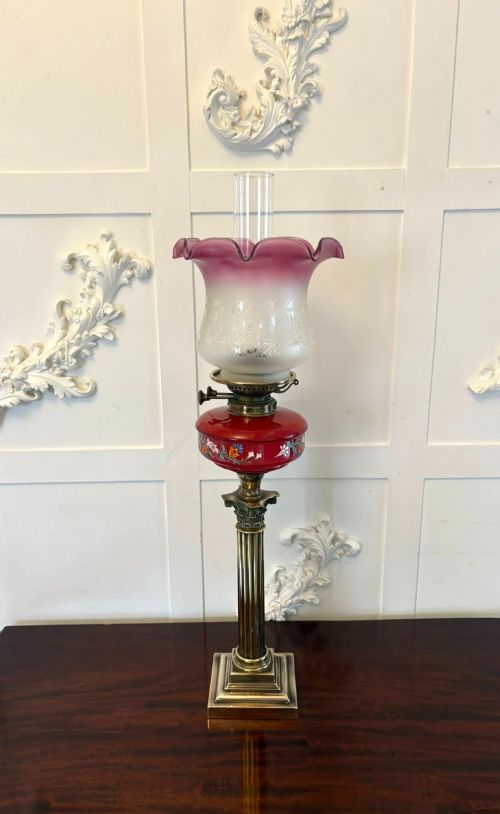
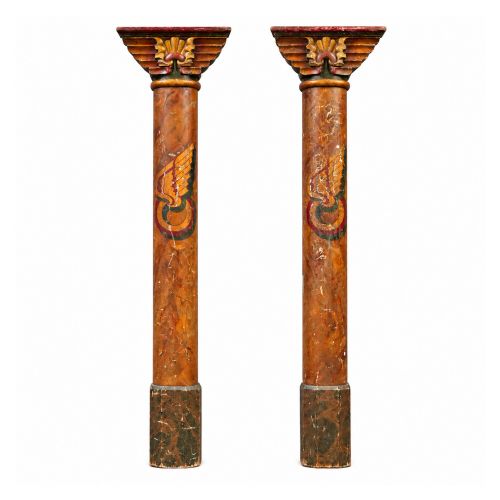
The most common versions met on this page include pairs of wooden or plaster columns, often finished with decorative paint, faux marble effects, or parcel gilding. Alongside dedicated columns, the selection encompasses related pillar forms such as tall candlesticks, oil lamps with column stems, and specialised cupboards built around pillar motifs.
Materials and construction
Makers utilised a variety of base materials for these supports, predominantly hardwood, softwood, stone, and plaster. Wood elements are frequently turned or carved before receiving decorative paint or gilded layers.
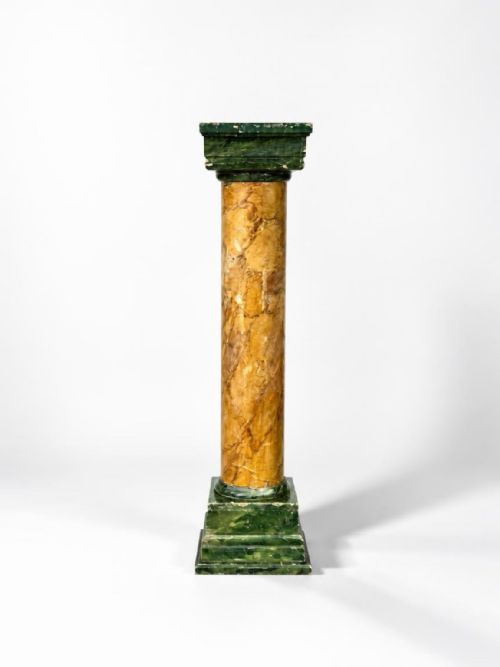
Surface finishes include traditional paint, enamel, and specialised techniques like faux verde antico simulating marble. Brass and glass components occasionally appear on smaller pillar forms such as candlesticks and oil lamps.
Painted Pillars Retail Price Guide 2026
Typical asking prices for painted pillars among the pieces listed under this phrase on Sellingantiques today, from the lower quarter to the upper quarter. They describe what is for sale here now, not the wider market.
Materials represented across the selection include carved wood, plaster, brass, glass, stone, and enamel.
Factors of quality
Quality in painted pillars rests upon the crispness of the original carving, the stability of the core material, and the execution of the surface decoration. Hand-painted faux finishes and parcel gilt details require considerable skill to achieve depth and realism.
The integrity of the structural form and the survival of the early painted surface dictate the standing of a piece. Original decorative schemes hold greater visual interest than later repainting.
Marguerite
The Painted Pillars Glossary
- Corinthian column
- A classical column style distinguished by ornate capitals decorated with acanthus leaves. This form appears frequently in nineteenth-century metalwork and woodwork.
- Faux verde antico
- A simulated finish imitating dark green antique marble with lighter veining. Artisans apply this paint technique to wooden display columns to create a classical appearance.
- Architectural salvage
- Building elements rescued from structures slated for demolition. Items in this category retain authentic period patination from their original context.
Painted Pillars: Frequently Asked Questions
What are painted pillars used for?
These pieces function primarily as decorative vertical accents, display stands, or architectural elements within interior spaces. They add height, structure, and historical character to a room without requiring major structural work.
Larger pairs can frame doorways or focal points, while smaller examples serve as pedestals for sculpture, lighting, or botanical displays.
How do I care for painted surfaces?
Maintenance requires gentle dusting with a soft, dry cloth to protect the historic paint or gilt layers. Avoid modern chemical cleaning agents that can strip or soften older finishes.
Keep pieces away from direct sunlight and excessive moisture fluctuations to prevent wood movement and subsequent paint flaking.
How do I identify the period?
Dating relies on examining the core materials, tool marks, and the specific style of the paint application. Georgian and Regency pieces often display classical proportions, while Victorian items lean towards heavier ornamentation.
Twentieth-century examples, including fairground and theatrical items, tend to feature brighter decorative schemes and different softwood constructions.
Are pairs always matching?
Many listings feature matched pairs designed to create symmetrical displays in a room. However, some sets originate from architectural salvage where slight variations in height or paint wear occur naturally.
Reviewing the specific dimensions and visual descriptions helps confirm whether a pair was created together or assembled later.