
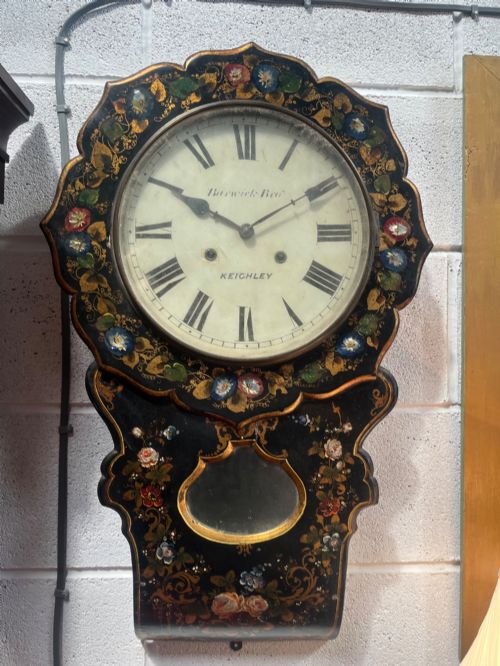
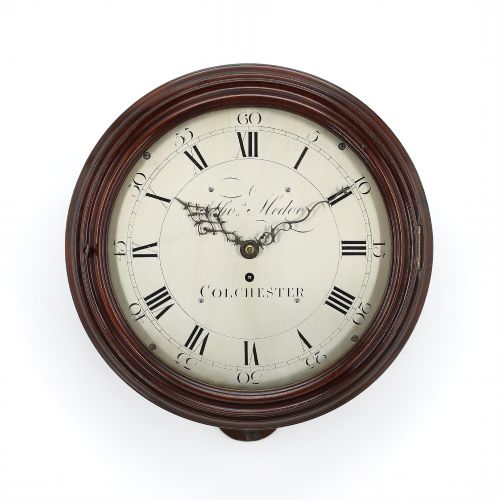


Painted Pendulum Wall Clock
These painted pendulum wall clock pieces combine practical timekeeping with striking visual art, offering collectors a functional centrepiece for any room.
Painted Pendulum Wall Clock
A painted pendulum wall clock brings historic charm to domestic spaces, combining timekeeping with distinctive decorative surfaces. When exploring a painted pendulum wall clock on this page, buyers encounter various historical eras including the Georgian, Victorian, and nineteenth century periods.
Most pieces utilise traditional wall-hanging configurations designed to display both the dial and the swinging pendulum. The materials encompass mahogany, oak, ebonised wood, and papier-mache alongside painted metal and brass components.
Materials and construction methods
Cases are constructed from timber such as mahogany and oak, often complemented by ebonised wood or papier-mache elements. Woodworkers shaped these materials into traditional wall-hanging enclosures to house delicate movements and dials.
Dials and panels feature painted metal surfaces finished with detailed decoration, sometimes incorporating gilt metal highlights. Glazed doors protect the face while brass and glass components complete the operational parts of the mechanism.
Some Dutch wall clocks bear the delightful name schippertje, reminding us that time waits for no sailor.
Assessing craftsmanship and finish
The refinement of the painted decoration heavily influences the character of each painted pendulum wall clock, separating standard vernacular items from finer artistic examples. Finer pieces demonstrate careful attention to detail in the execution of dial artwork and case carpentry.
Case materials also distinguish the range, with select timbers like mahogany providing superior presence compared to simpler secondary woods. The integration of specialised movements, such as fusee or double barrel mechanisms, separates basic utility timepieces from more complex horological examples.
Thomas Hedge of Colchester·Webb of Frome·J. Hummel of Worcester
The Painted Pendulum Wall Clock Glossary
- Verge dial clock
- An early form of escapement mechanism housed behind a wall-mounted dial. This traditional setup regulates the release of the gear train.
- Drop dial
- A clock case where the dial sits above an extended lower box that houses the pendulum. This configuration accommodates the swing of the pendulum beneath the main face.
- Fusee
- A conical pulley used in better quality clocks to maintain an even tension on the movement as the mainspring unwinds. It ensures more accurate timekeeping throughout the running cycle.
- Stoelklok
- A traditional style of wall clock originating from the Netherlands, often featuring distinct cast brass ornaments and painted wooden backboards. These regional clocks display charming folk art characteristics.
Painted Pendulum Wall Clock: Frequently Asked Questions
How do I hang a wall clock safely?
Wall clocks require secure fastening to a solid wall structure using appropriate fixings matched to the weight of the timber case. Hanging the clock level ensures the pendulum swings evenly and the movement keeps accurate time.
Professional installation is often recommended for heavier models incorporating dense hardwoods and glass doors.
What does fusee movement mean?
A fusee movement uses a conical pulley connected to the mainspring by a fine chain or cord. This clever device equalises the driving force as the spring winds down.
Horologists consider this mechanism a mark of superior quality in British clockmaking.
How do I identify a Georgian clock?
Georgian clocks generally date from the eighteenth or early nineteenth century and typically feature restrained classical proportions. They often utilise quality timbers like mahogany alongside traditional brass dial fittings.
Regional variations can include specialised regional painting or specific regional movement constructions.