

Painted Papier Mache
Painted papier mache pieces bring rich hand-painted colour and practical utility into a room, offering tactile historical craft for everyday use.
Painted Papier Mache
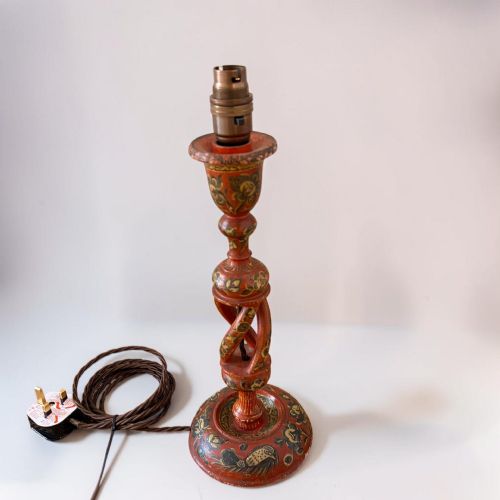
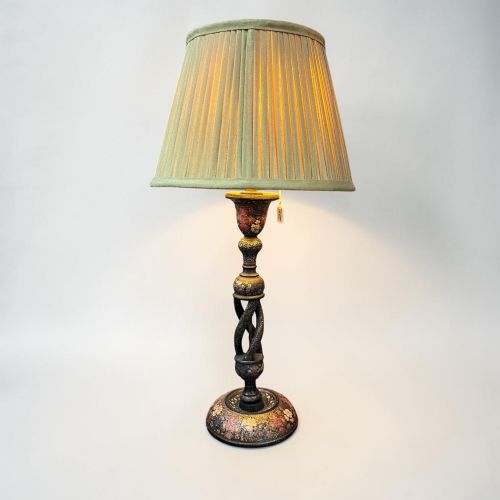
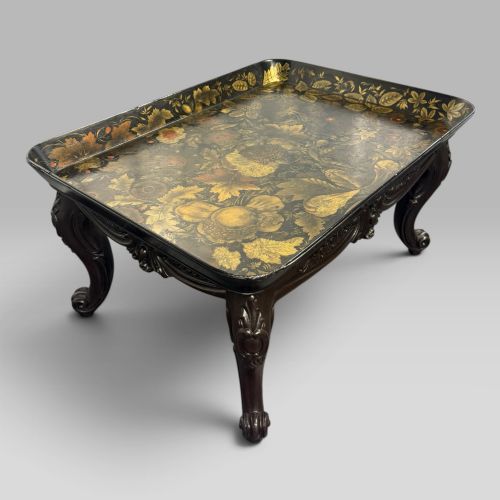
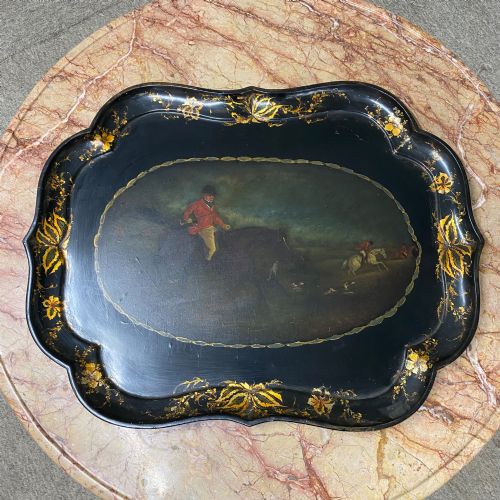
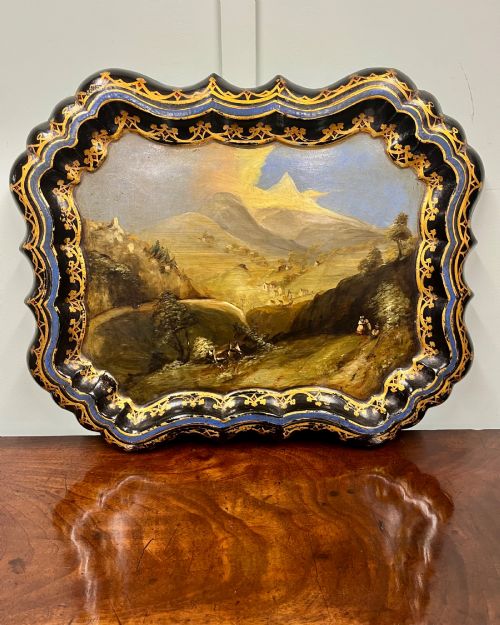
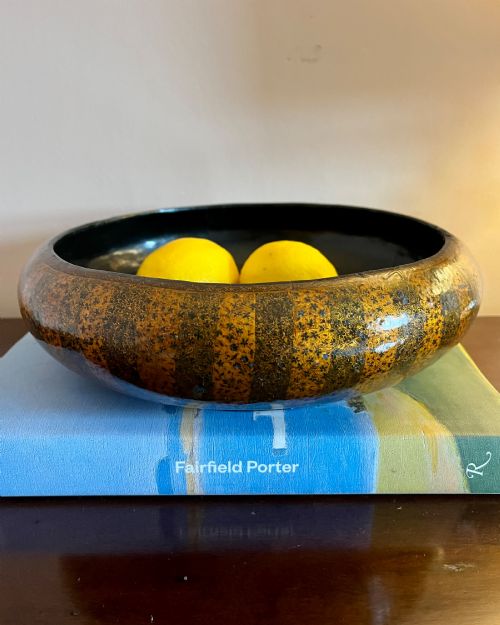
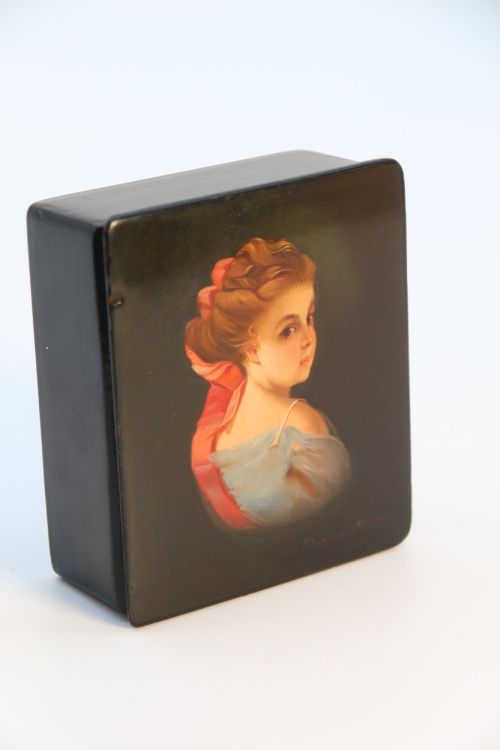
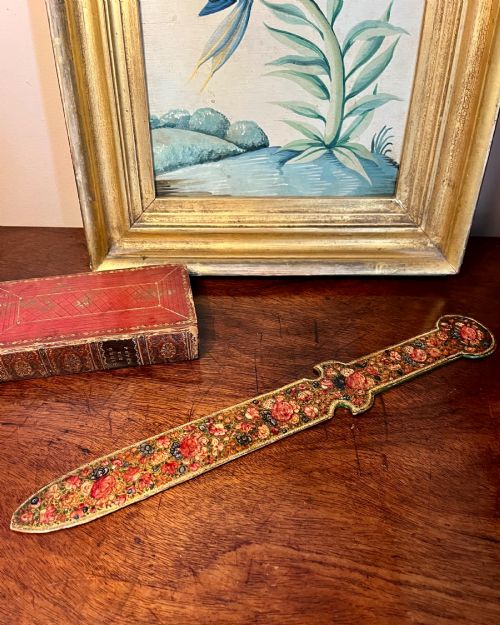
When you search for painted papier mache, you encounter a diverse array of items ranging from utilitarian desk accessories and snuff boxes to larger furnishings such as trays, side tables, and table lamps. These objects span periods including the Georgian, Regency, and Victorian eras, alongside early twentieth-century examples.
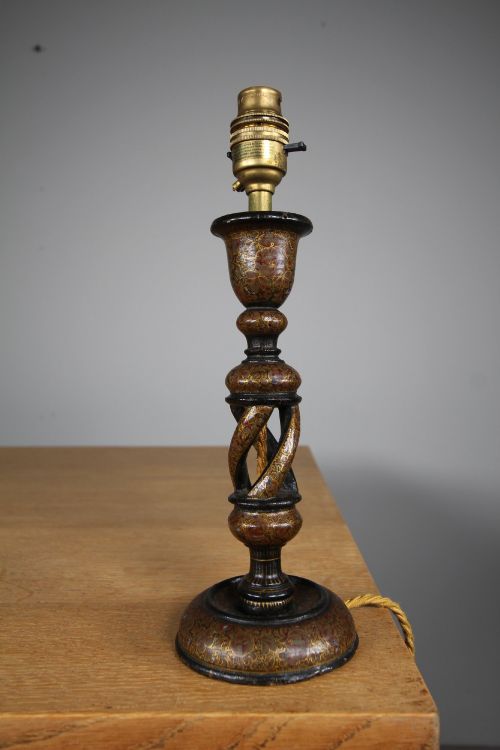
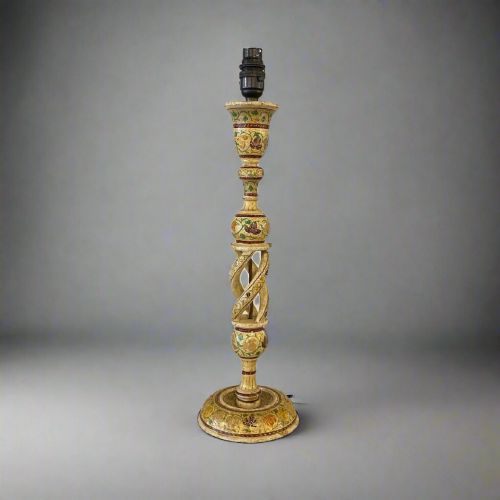
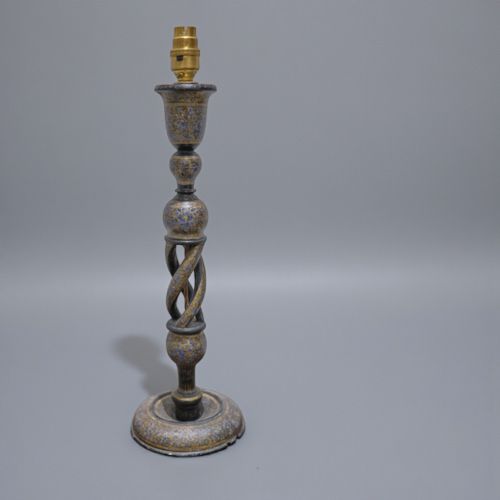
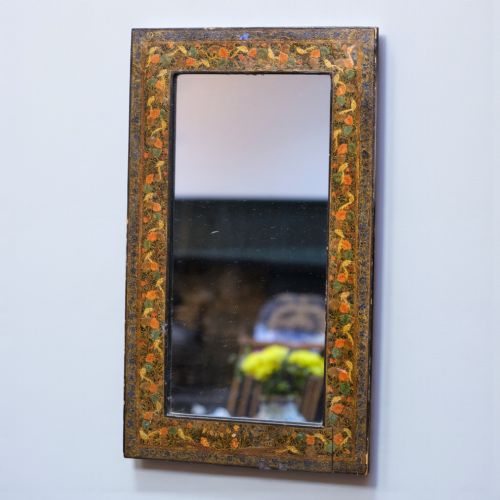
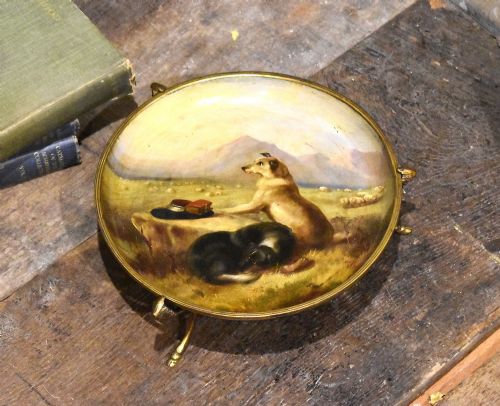
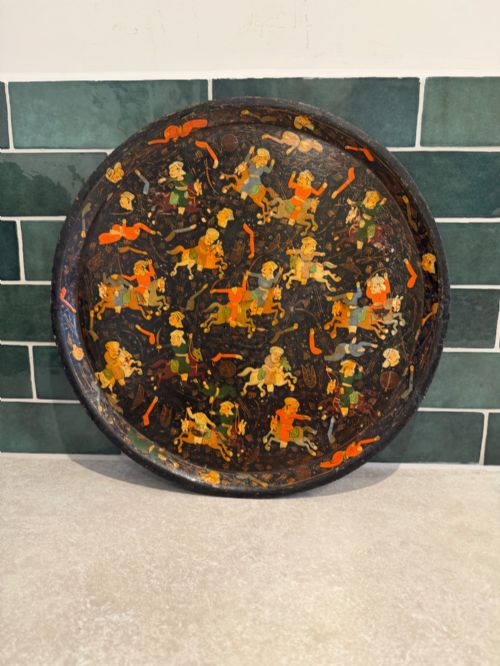
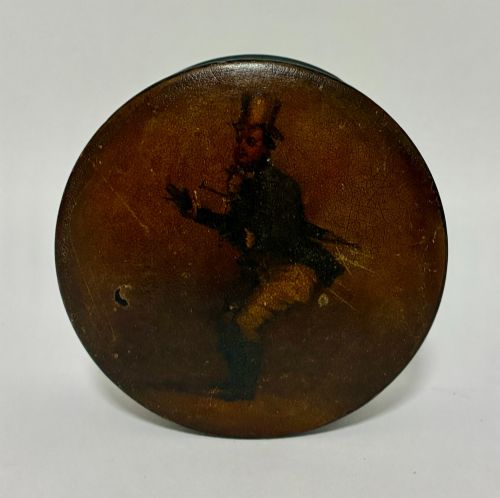
The selection on this page relies heavily on regional craft traditions, featuring Kashmiri production alongside English, French, and Russian works. Trays, decorative boxes, and table lamps dominate the forms, reflecting how makers applied durable papier mache to both small personal items and substantial household furnishings.
How they were made
Makers constructed the core structure using layered paper pulp or sheets bonded together with adhesive, which dried into a remarkably sturdy material capable of holding intricate forms. Workers then smoothed the surface and applied coats of dark lacquer or paint to prepare the ground.
Artists painted decorative motifs directly onto the prepared surface, frequently incorporating gold leaf, ormolu mounts, or brass details to accent the composition. Protective varnishes sealed the paint layer, preserving the intricate Kashmiri patterns and European Chinoiserie scenes over centuries of handling.
Painted Papier Mache Retail Price Guide 2026
Typical asking prices for painted papier mache among the pieces listed under this phrase on Sellingantiques today, from the lower quarter to the upper quarter. They describe what is for sale here now, not the wider market.
Listings feature items from the Georgian period through the nineteen-thirties, spanning Kashmiri, English, and Russian origins.
What varies in quality
Quality rests upon the crispness of the painted detail and the preservation of the original decorative scheme rather than mere age alone. Finer pieces demonstrate superior brushwork in floral motifs, figural scenes, or gilt enrichment that remains intact across the surface.
The underlying construction also distinguishes standard production from exceptional examples, as robust core forming prevents warping and keeps hinges or joints stable. Original finishes and untreated painted surfaces hold greater visual integrity than heavily restored or repainted alternatives.
Vishnyakov Workshop
The Painted Papier Mache Glossary
- Papier-mache
- A composite material made from paper pulp or reinforced paper sheets mixed with binding agents, moulded and dried into solid objects.
- Chinoiserie
- A European artistic style reflecting Chinese aesthetic influences, commonly seen in the painted landscapes and figures decorating trays and boxes.
- Japanned
- A European technique imitating traditional Asian lacquerware by applying dark varnishes and painted decoration onto a prepared wooden or papier mache base.
- Ormolu
- Gilt bronze mounts applied as decorative trim or hardware on furnishings and small accessories.
- Toleware
- Painted or enamelled sheet metal items produced in styles parallel to decorative papier mache objects.
Painted Papier Mache: Frequently Asked Questions
How do I clean painted papier mache?
Dust surfaces gently with a dry, soft cloth to prevent moisture damage to the painted decoration and lacquer layers.
Avoid chemical cleaners, abrasive cloths, or excessive water, which degrade the historic varnish and lift the paint.
Can I use papier mache trays daily?
Historic trays handle light service, but heavy daily wear or hot dishware risks cracking the brittle lacquer and paint.
Display them on stands or utilise them carefully for dry items to preserve the original surface decoration.
How do I date a papier mache piece?
Examine the base material, structural form, and painting style alongside known historical periods like Regency or Victorian.
Stylistic cues such as Chinoiserie motifs or specific regional Kashmiri patterns help narrow the decade of production.
Are Kashmiri and Victorian pieces different?
Kashmiri items often feature dense, colourful floral or folk art patterns executed on papier mache bases from the nineteenth and twentieth centuries.
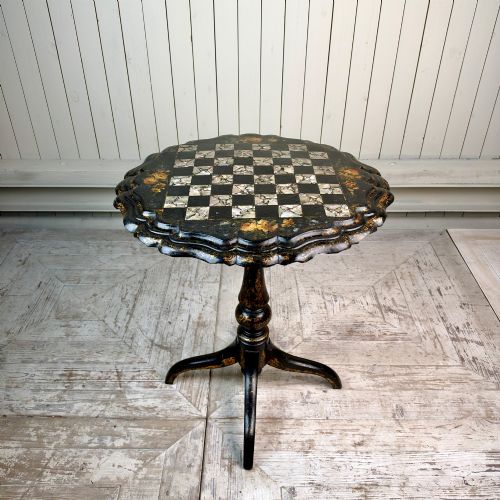
Victorian English pieces frequently lean towards black japanned grounds decorated with mother-of-pearl inlay, gold leaf, or classical European scenes.