


Painted Metal Tin
These painted metal tin objects span delicate tea canisters and robust trunks, offering durable utility combined with decorative hand-painted charm.
Painted Metal Tin
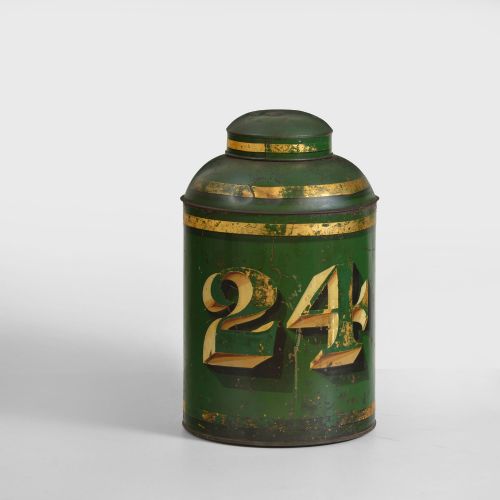
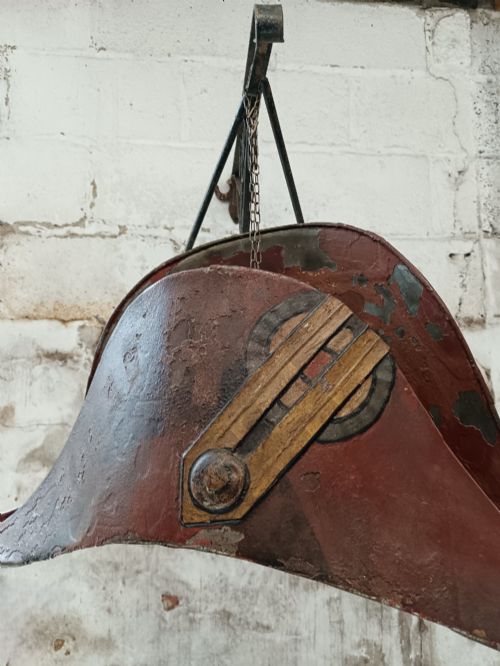
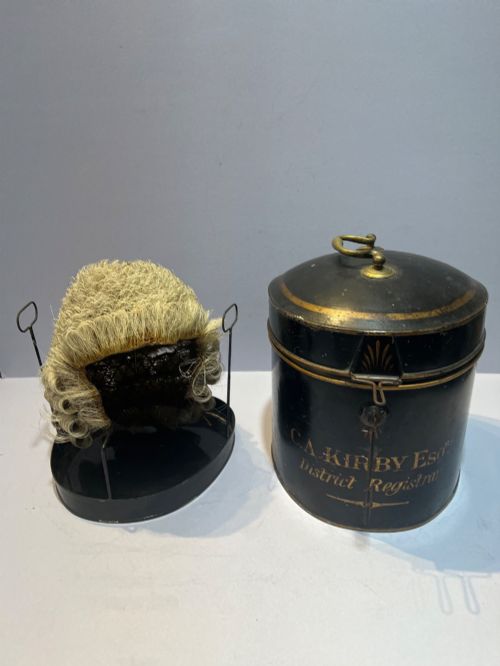
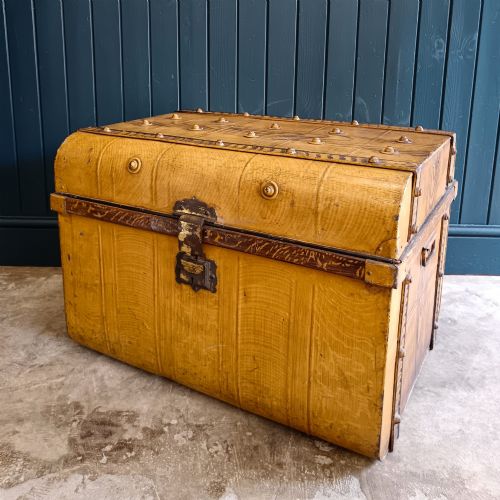
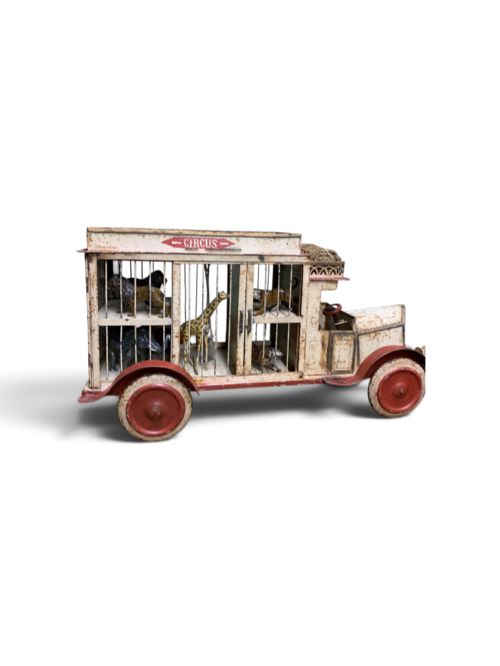
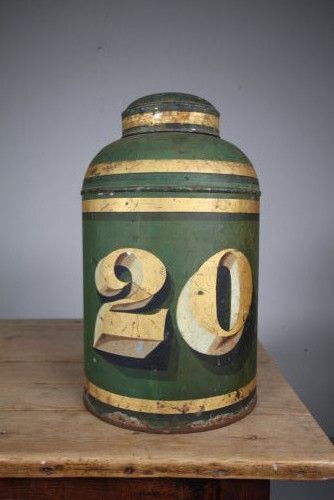
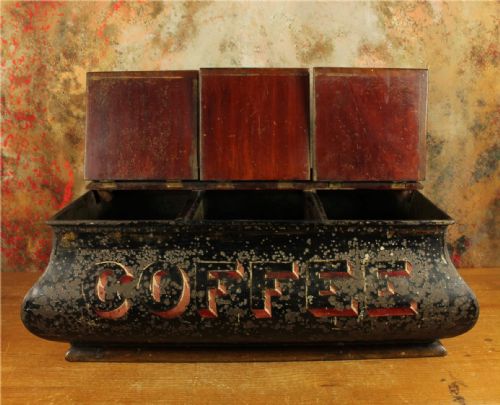
A painted metal tin represents a diverse category of domestic and commercial containers, spanning from tea canisters and money boxes to large steamer trunks and food storage bins. When exploring this selection, buyers frequently encounter nineteenth-century toleware, Georgian and Victorian household pieces, and folk art items designed for daily use.
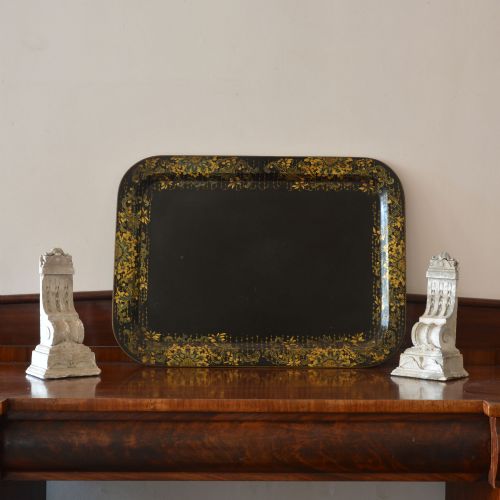
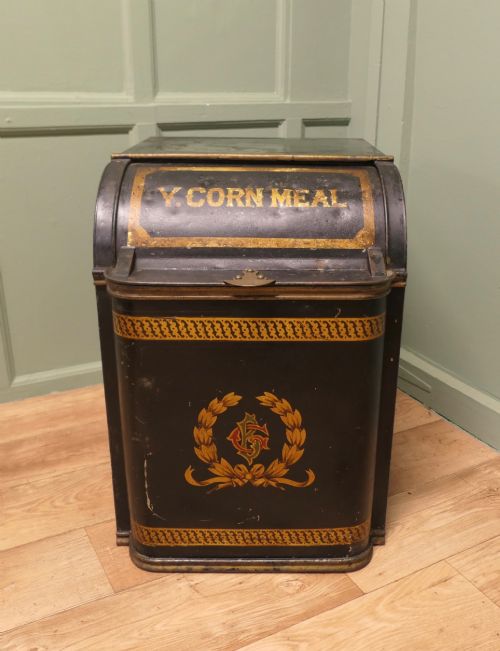
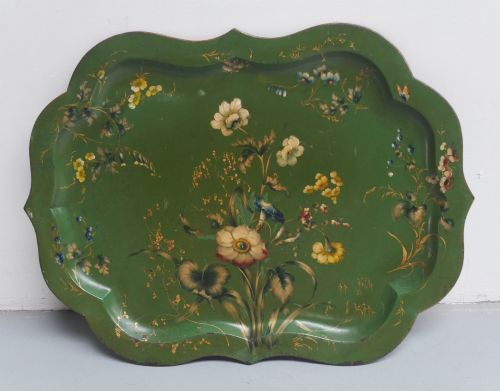
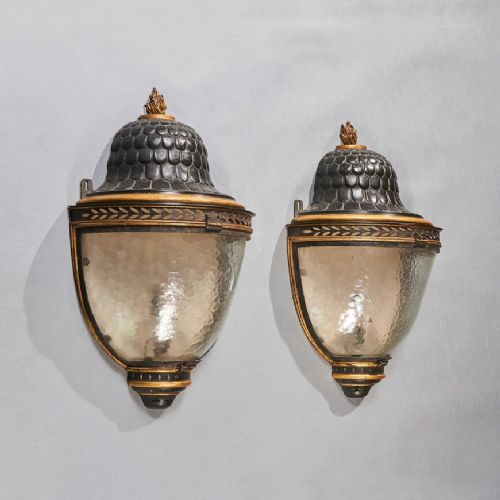
The objects take many forms, including serving trays, decorative urns, wall lanterns, document boxes, and shop display tins. Origins range across English, French, and Scottish workshops, utilising sheet iron, tinplate, and brass mounts to create functional items that doubled as decorative focal points in period interiors.
How They Were Made
Craftsmen shaped objects from sheet iron and tinplate, joining seams meticulously before applying coats of paint, lacquer, or japanning. Pontypool and general toleware techniques involved multiple layers of heat-treated varnish to achieve a smooth, glossy surface capable of receiving intricate hand-painting or parcel gilding.
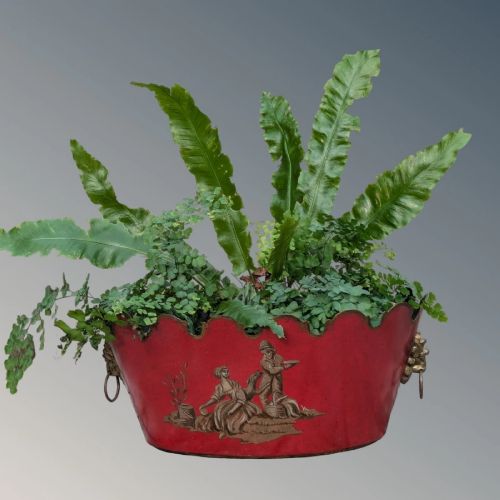
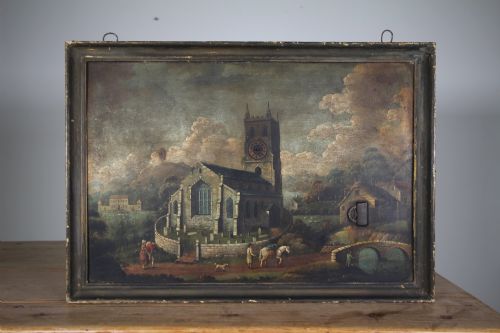
Decoration often relied on folk art motifs, Chinoiserie scenes, faux-wood graining, or scrumbled paint effects. Artisans applied pigments directly onto the prepared metal base, sometimes sealing the artwork with protective varnishes to withstand the rigours of domestic or trade environments.
Painted Metal Tin Retail Price Guide 2026
Typical asking prices for painted metal tin among the pieces listed under this phrase on Sellingantiques today, from the lower quarter to the upper quarter. They describe what is for sale here now, not the wider market.
Listings feature items from the eighteenth, nineteenth, and early twentieth centuries, constructed from materials including toleware, tinplate, brass, and sheet iron.
What Varies in Quality
Quality rests primarily in the sophistication and preservation of the hand-painted surface, alongside the structural integrity of the metal substrate. Finer examples display detailed brushwork, original gilding, and intact japanning, whereas utilitarian storage items often show robust, simpler finishes meant for heavy trade use.
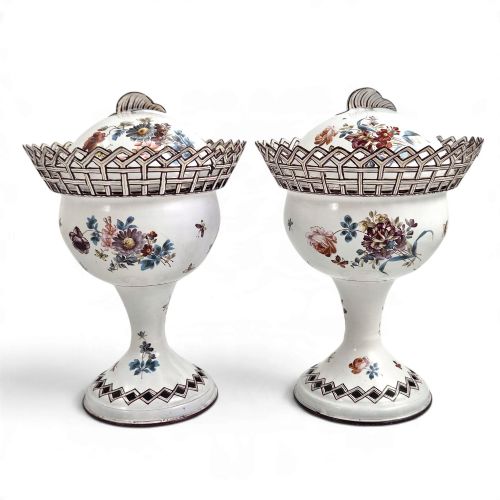
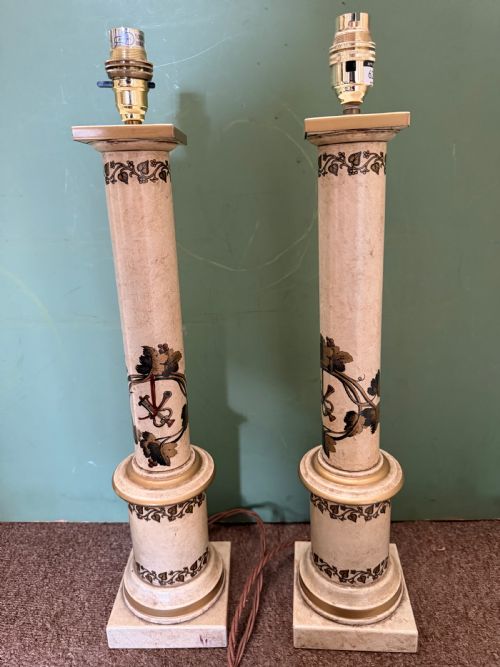
The execution of form also distinguishes standard pieces from exceptional ones, such as shaped bowls, column lamps, or matched pairs of chestnut urns. Original brass fittings, hinges, and functioning locks further elevate a piece within its specific category.
Eade And Son·H Meeson·Kibri
The Painted Metal Tin Glossary
- Toleware
- Painted or lacquered metalware, typically tinplate or sheet iron, originating in Britain and France during the eighteenth and nineteenth centuries.
- Japanning
- A European imitation of East Asian lacquer work, created by applying successive coats of varnish and baking the metal object.
- Tinplate
- Sheet iron or steel coated with a thin layer of tin to prevent corrosion, forming the primary base for many small boxes and canisters.
- Pontypool
- A Welsh town renowned for early tinplate manufacture and specialised japanned metalware decorated with floral or Chinoiserie motifs.
- Scrumbling
- A painting technique involving the application of a thin, translucent layer of paint over a different base colour to create textured, mottled effects.
Painted Metal Tin: Frequently Asked Questions
How do I clean a painted metal tin?
Dust the surface gently with a soft, dry cloth to remove loose particles.
Avoid using water, chemical solvents, or abrasive cleaners, as these can damage the aged paint layers and underlying lacquer.
Were these tins used for food storage?
Many nineteenth-century examples functioned as tea canisters, coffee shop containers, and grocer shop bins.
Their tight-fitting lids helped keep dry goods protected from moisture and pests in domestic pantries and commercial stores.
What is the difference between toleware and standard tin?
Toleware specifically denotes decorative painted or lacquered metal items designed to imitate expensive Asian lacquer furniture.
Standard tin or sheet iron items were frequently utilitarian, serving as document boxes, trunks, or footbaths with minimal ornamentation.
How can I date an antique painted tin?
Dating relies on assessing the manufacturing technique of the metal sheet, the style of the hand-painted decoration, and the types of hinges or locks used.
Early pieces often feature hand-beaten iron construction and specific japanning methods associated with eighteenth and nineteenth-century production.