



Painted Metal Garden Table
A painted metal garden table brings enduring French and Victorian character to outdoor spaces, offering both sturdy utility and charming rustic style.
Painted Metal Garden Table
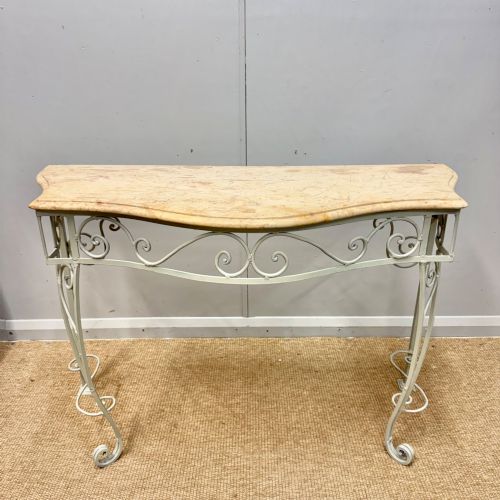
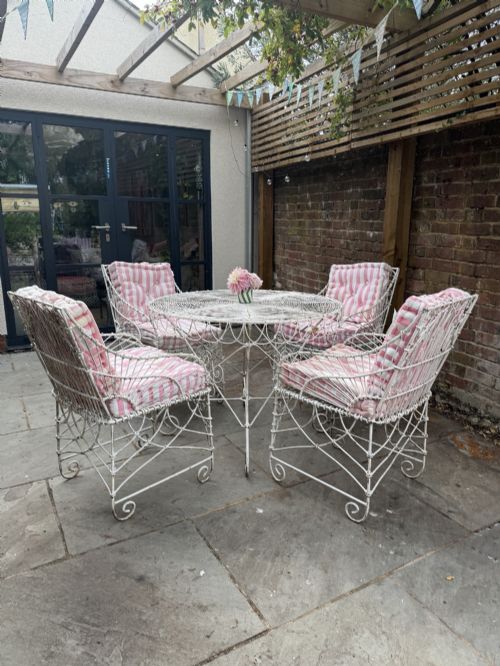
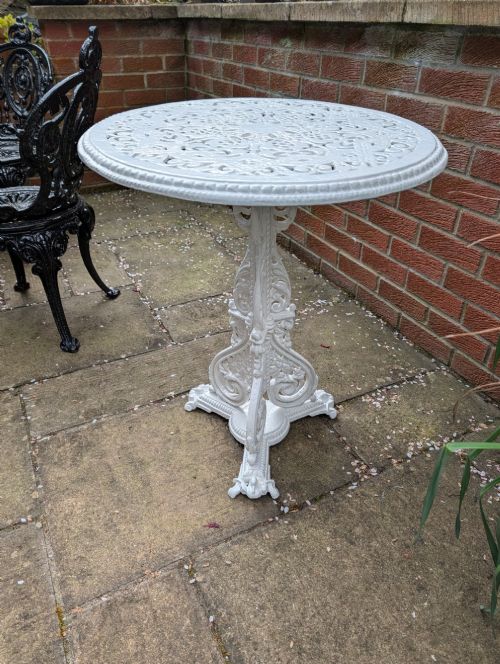
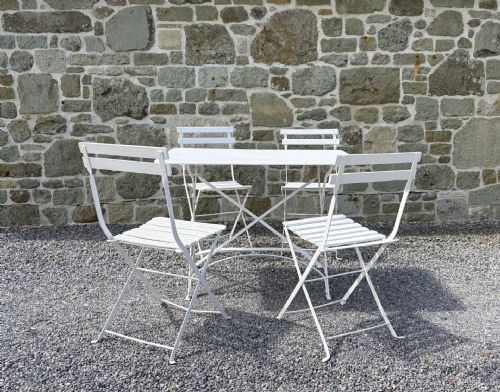
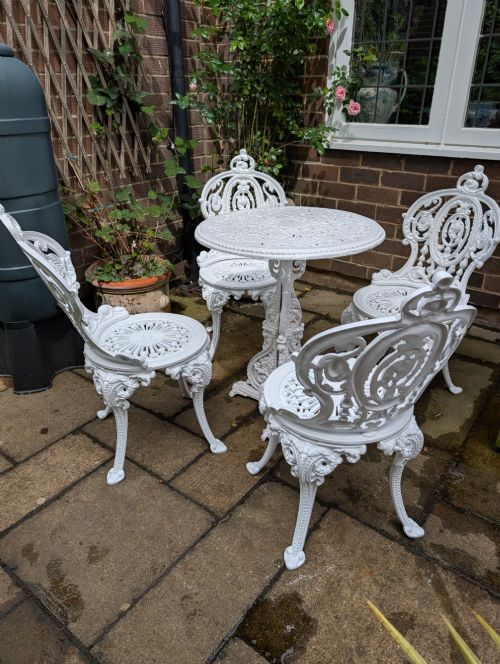
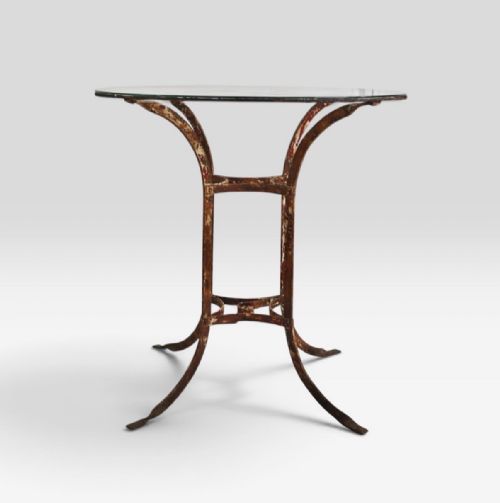
A painted metal garden table unites practical outdoor durability with decorative period design, drawing on French country, Victorian, and Art Deco traditions. When searching for a painted metal garden table, buyers encounter everything from folding café pieces and round gueridon tables to substantial console designs and complete dining sets.
The pieces listed here span the nineteenth century through to the 1930s, reflecting diverse origins from Victorian Britain to French chateaux and provincial potting sheds. Most examples combine robust metal frames with varied tops, ranging from original painted iron and cast iron to marble, wood, and copper.
Materials and construction
Makers utilised durable metals like cast iron, wrought iron, steel, and wirework to form stable bases and intricate strapwork frames. These structural elements frequently support contrasting surfaces such as marble slabs, wooden planks, or verdigris copper tops.
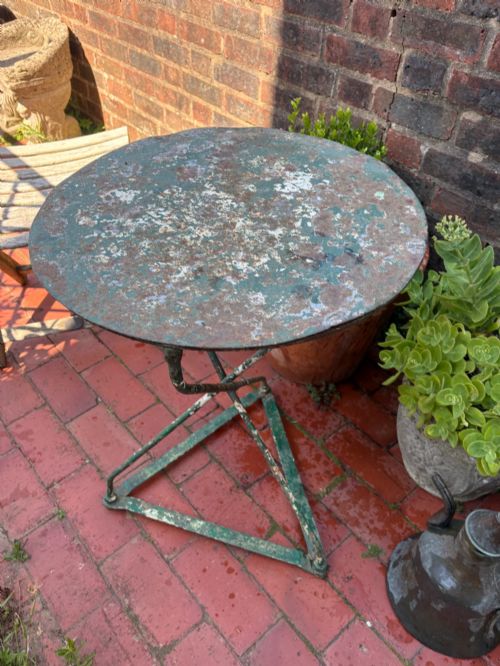
Surfaces were traditionally finished with protective coats of paint, developing weathered patinas over decades of exposure to the elements in gardens and orangeries.
Some tables spent their youth holding potted geraniums before ever seeing a cup of tea.
Assessing quality and character
Quality rests upon the integrity of the original metalwork and the harmony between base and top, whether cast iron, strapwork, or wirework. Tables bearing specific historical design attributions or pairing unusual materials like marble and copper command particular attention.
The appeal also lies in the depth of the aged paint surface and patination, distinguishing genuine period weathering from later intervention.
Christopher Dresser
The Painted Metal Garden Table Glossary
- Gueridon
- A small round table, frequently supported by a central column or tripod base. These pieces often feature painted cast iron construction and compact circular tops.
- Arras
- A specific style of French garden furniture traditionally constructed from iron strapwork and slats. These tables are associated with municipal and café use across France.
- Strapwork
- Ornamental work formed of flat strips of metal. This technique creates geometric patterns and openwork frames across table bases.
- Verdigris
- A green patina or crust formed on copper, brass, or bronze surfaces through atmospheric oxidation. This natural weathering develops over long periods outdoors.
- Wirework
- Metal formed into intricate open lattices or mesh. Victorian makers utilised this technique for light yet robust garden tables and stands.
Painted Metal Garden Table: Frequently Asked Questions
How do I date a painted metal garden table?
Dating relies on examining the manufacturing techniques, such as early cast iron versus later steel, alongside stylistic cues from Victorian or Art Deco periods. Original paint layers and fixings also provide clues to the age of the piece.
Comparing construction details with documented examples helps narrow down whether a table originates from the nineteenth century or the early decades of the twentieth century.
Are these tables suitable for outdoor use?
Most of these tables were originally built for gardens, orangeries, or cafes, meaning they are inherently designed to withstand outdoor environments. However, historic painted surfaces and materials like wood or copper benefit from sensible winter storage.
Maintaining them outdoors requires an understanding of their current condition and the durability of their specific top material, such as marble or iron.
What is arras furniture?
Arras furniture refers to a distinct style of French metal garden seating and tables made using flat iron straps and slats. This construction method offers both flexibility and strength.
Pieces from this tradition are frequently associated with traditional French cafes and garden terraces.
How should I care for an aged painted finish?
Preserving an aged painted finish involves gentle cleaning with mild soap and water rather than harsh abrasives that might strip the historic patina. Keeping the metal protected from prolonged standing water helps prevent further corrosion.
Applying appropriate protective waxes or seals can help stabilise flaking paint without altering the authentic appearance of the piece.