



Painted Metal Container
These painted metal container pieces bring durable utility and decorative folk charm straight into your rooms.
Painted Metal Container
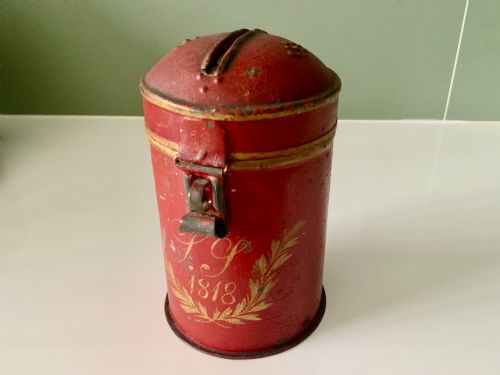
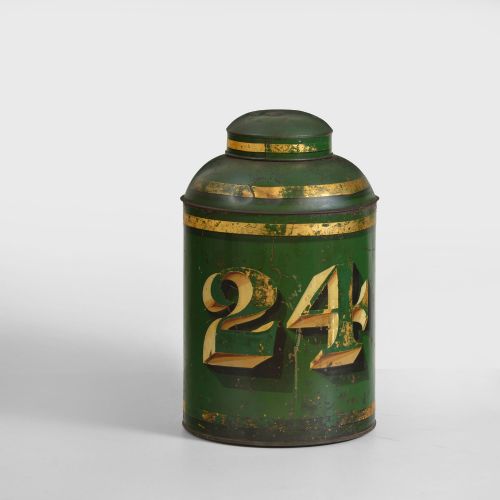
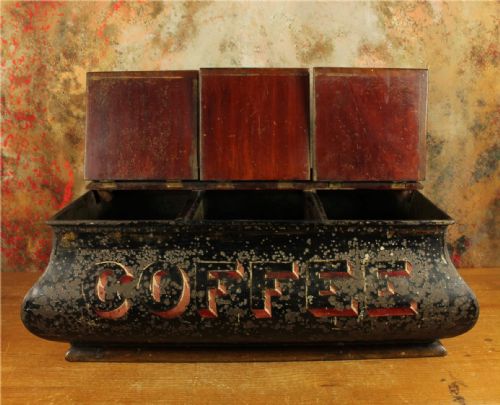
A painted metal container offers practical storage through utilitarian forms like shop tins, document boxes, and coal bins from the nineteenth century. These objects served daily commercial and domestic functions before finding new life in modern interiors.
You will most frequently meet toleware storage vessels and kitchen canisters alongside grape hods and coal boxes. These pieces often display surface paint finishes that range from simple folk art to decorative Regency motifs.
Origins stretch across French, English, and Middle Eastern workshops, incorporating styles such as French country, folk art, and Orientalist design. Each item reflects the specific material demands of its original trade or household use.
Materials and construction methods
Items rely on sheet metal, tinplate, and sheet iron formed into rigid bodies, sometimes strengthened with brass rims or wrought iron strapwork. Makers shaped these base metals by hand or early mechanical means to create robust domestic and commercial containers.
Surfaces received layers of paint, often termed toleware when applied to tin, creating decorative finishes that emulated more expensive lacquerware. Artisans added hand-painted floral details, folk art scenes, or plain protective coats depending on the intended destination.
Painted Metal Container Retail Price Guide 2026
Typical asking prices for painted metal container among the pieces listed under this phrase on Sellingantiques today, from the lower quarter to the upper quarter. They describe what is for sale here now, not the wider market.
Listings feature items spanning the nineteenth century up to 1920, utilising tin, brass, iron, and wood across domestic and agricultural forms.
Assessing quality in metal containers
The sophistication of the painted surface ornamentation largely determines the standing of a piece within its category. Examples featuring intricate folk art or preserved Regency decoration command greater visual interest than plain utilitarian surfaces.
Construction integrity and the survival of original hardware, such as brass rims or hinged lids, distinguish superior examples. Pieces retaining their structural form without excessive metal fatigue demonstrate better original manufacture and subsequent care.
The Painted Metal Container Glossary
- Toleware
- Lacquered or enamelled metalware, typically tin or sheet iron, decorated with painted designs. This technique achieved popularity for domestic items during the nineteenth century.
- Hotte
- A traditional carrier or hod used in agriculture, particularly for harvesting grapes in French vineyards. These large containers were constructed to strap onto the back.
- Tinplate
- Thin sheet iron or steel coated with tin to prevent rusting. It served as the primary material for lightweight storage tins and canisters.
- Strapwork
- Ornamental patterns of metal strips applied to reinforce or decorate containers and planters. Wrought iron versions provided significant structural support.
- Match striker
- A small receptacle or surface designed for igniting matches, frequently cast in metals like spelter. These domestic accessories often incorporated decorative figural elements.
Painted Metal Container: Frequently Asked Questions
What were grape hods used for?
Grape hods served as harvesting containers in vineyards, allowing pickers to gather and transport freshly cut fruit efficiently.
Workers carried these large vessels on their backs during the harvest season before the containers transitioned into decorative garden and home items.
How do I care for painted metal?
Keep painted metal containers in dry environments away from direct sunlight to preserve the delicate nineteenth-century surface decoration.
Dust surfaces gently with a soft cloth and avoid chemical cleaning agents that might lift the original paint layers.
What is toleware?
Toleware refers to metal objects, usually tin or iron, finished with applied paint and protective lacquer finishes.
Originating as an affordable alternative to Asian lacquerware, it encompassed everything from kitchen canisters to large document boxes.
How were coal bins used?
Coal bins stored solid fuel near domestic fireplaces for quick access during colder months.
These lidded metal containers kept coal dust contained while matching the decorative style of Victorian and Regency interiors.