



Painted Marriage Box
A painted marriage box brings centuries of folk tradition and vibrant regional decoration straight into a modern interior.
Painted Marriage Box
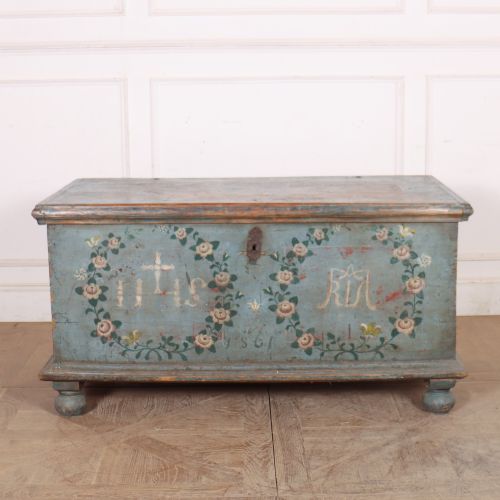
A painted marriage box encompasses heavy storage pieces such as coffers, blanket boxes, dome top chests, and mule chests alongside smaller tabletop boxes and cabinets. When searching for a painted marriage box, buyers encounter traditional forms rooted in Scandinavian country, Hungarian, Italian, and Alpine folk art traditions.
The pieces span several centuries, with the nineteenth century heavily represented alongside Georgian, Victorian, and seventeenth-century examples. Swedish and Hungarian workshops dominate the selection, bringing distinct regional palettes and floral motifs to durable pine and elm bodies.
Materials and construction methods
Carpenters constructed these boxes primarily from solid pine and elm, utilising sturdy plank construction and occasionally incorporating oak. Iron and wrought iron hardware, including strap hinges and carrying handles, reinforced the heavy lids and corners.
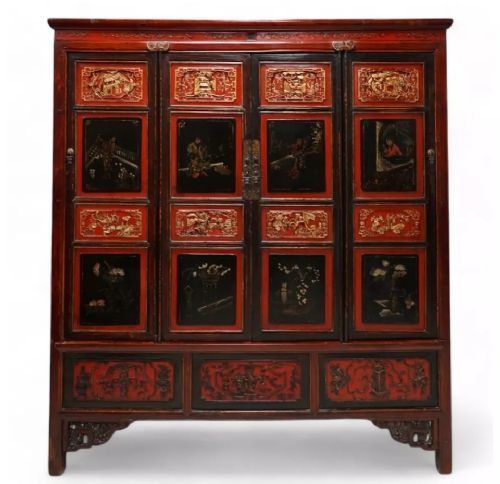
Artisans applied layers of pigment and paint directly to the wood surfaces, often creating vibrant floral designs or dark, atmospheric finishes. Some Italian examples feature gilt gothic decoration applied over walnut timbers, while Chinese pieces utilise red lacquer.
Painted Marriage Box Retail Price Guide 2026
Typical asking prices for painted marriage box among the pieces listed under this phrase on Sellingantiques today, from the lower quarter to the upper quarter. They describe what is for sale here now, not the wider market.
At least one Swedish box on record proudly wears a specific date painted directly onto its timber in 1837.
Distinctions in quality and execution
The survival rate of original surface decoration dictates much of the distinction between pieces. Examples retaining their untouched early pigment layer hold greater historical weight than those with later overpainting.
The complexity of the regional folk art and the joinery of the pine or elm carcass separate standard utility items from masterworks of provincial craftsmanship. Ironwork details like hand-forged hinges also contribute to the integrity of the piece.
The Painted Marriage Box Glossary
- Coffer
- A large wooden chest traditionally used for storing valuables, linens, or documents. These sturdy boxes often feature hinged flat or dome tops.
- Cassone
- A traditional Italian large chest or coffer used during the Renaissance and later periods for marriage dowries. They frequently display elaborate painted, carved, or gilt surfaces.
- Mule chest
- A form of storage chest that incorporates one or more drawers beneath the main lift-top compartment. They bridge the design gap between simple coffers and full chests of drawers.
- Folk art
- Artistic work created within a traditional culture by self-taught or provincial artisans. These items reflect local customs, motifs, and material availability rather than courtly academic styles.
Painted Marriage Box: Frequently Asked Questions
What is a painted marriage box?
A painted marriage box is a traditional storage chest or coffer decorated with pigments and folk art motifs, historically created to mark a wedding.
These pieces served both a practical storage function in the home and a symbolic role as part of a dowry.
How were these boxes used historically?
Families used these large chests to store textiles, wedding linens, garments, and family valuables. Their robust construction meant they could double as seating or tables within modest rural homes.
Their substantial lids kept contents protected from dust and pests in domestic environments.
Where do most of these boxes originate?
The available selection leans heavily towards Scandinavian origins, particularly Sweden, alongside examples from Hungary and Italy. Each region developed distinct painting styles, colour palettes, and structural forms.
Alpine regions and nineteenth-century workshops also produced notable regional variations.
How do I care for a painted wooden box?
Keep the piece away from direct sunlight and steady heat sources to protect the historic paint and pigment layers from drying or flaking. Dust gently with a dry, soft cloth rather than using modern liquid polishes.
Maintain a stable room humidity to prevent the old pine or elm timber from moving.