



Painted Marble Pedestals
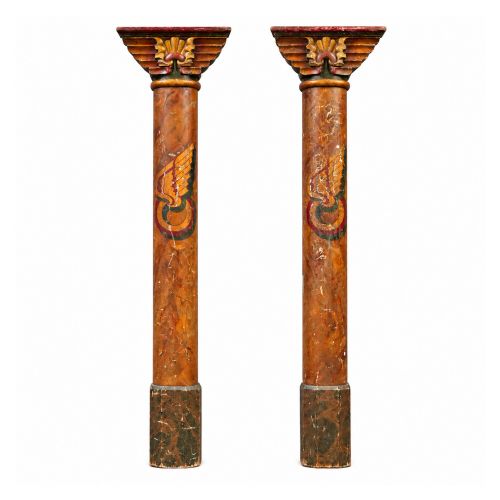
These painted marble pedestals bring architectural presence to a room, offering a solid stage for displaying sculpture or urns.
Painted Marble Pedestals
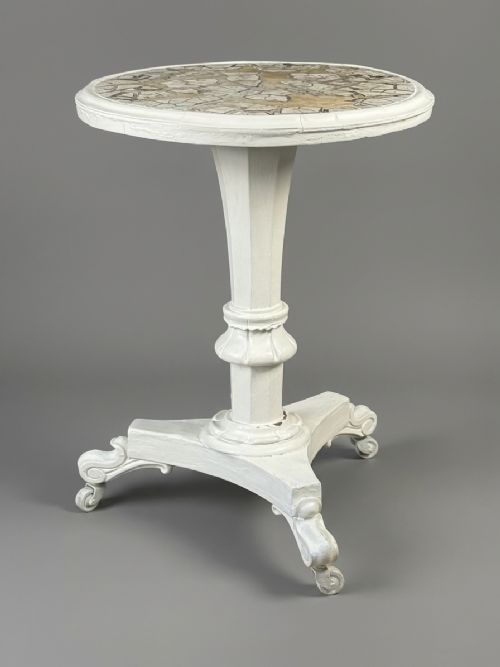
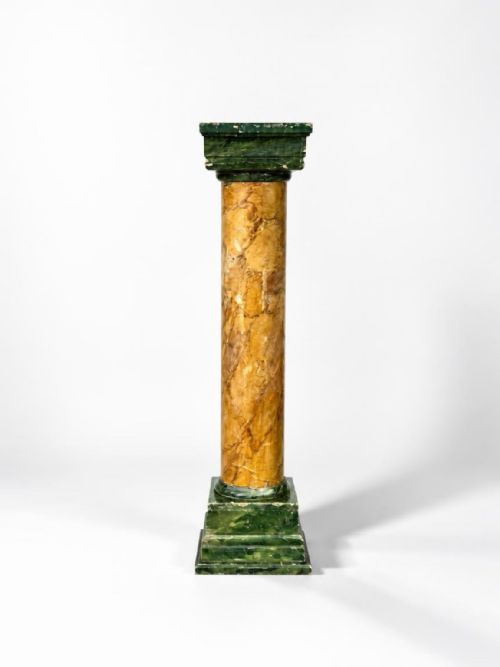
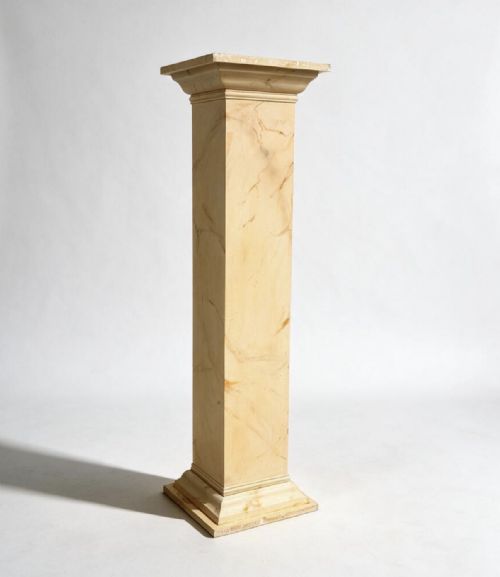
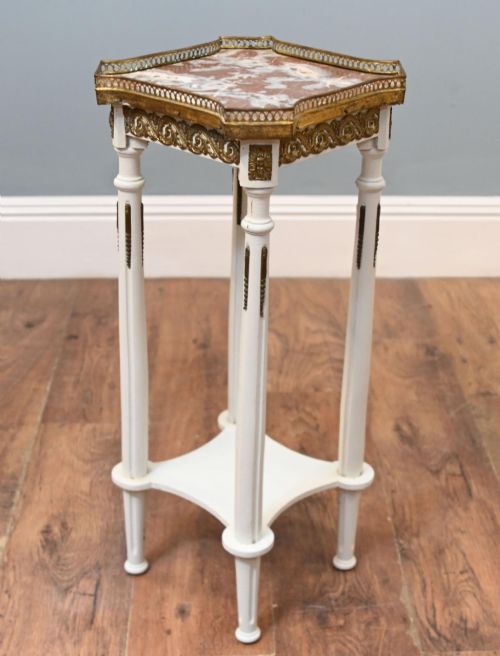
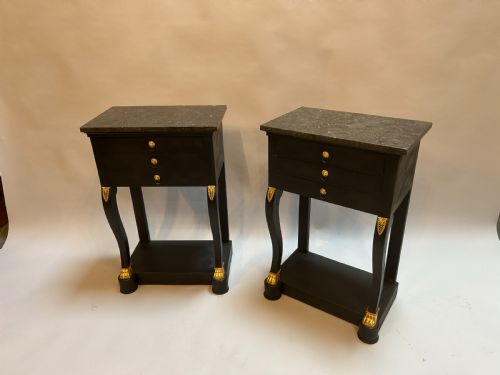
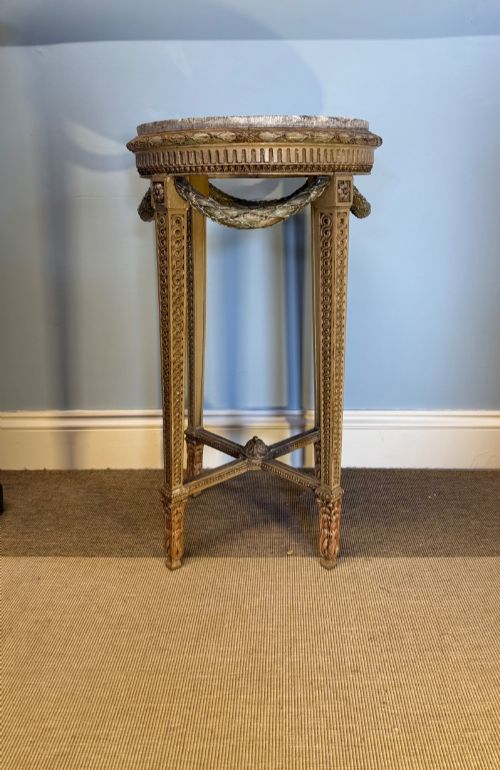
The forms vary widely between solid columns, cylindrical cupboard stands, and gueridon tables fitted with stone tops. Many examples adopt neoclassical or empire styles, bringing classical proportions into domestic interiors.
The common thread across these listings is the use of painted finishes, whether applied to timber to mimic costly minerals or used alongside actual marble surfaces. Buyers most frequently meet tall display columns and smaller pedestal stands designed to elevate decorative objects.
Materials and construction
Actual marble slabs provided heavy, cool surfaces for tabletops and display tops, resting upon wooden or plaster structures. Brass mounts and parcel silvering occasionally added metallic contrast to the painted surfaces.
Painted Marble Pedestals Retail Price Guide 2026
Typical asking prices for painted marble pedestals among the pieces listed under this phrase on Sellingantiques today, from the lower quarter to the upper quarter. They describe what is for sale here now, not the wider market.
Listings feature pieces spanning the nineteenth century through the 1930s, utilising marble, pine, plaster, and carved wood.
Assessing quality and execution
The success of a faux marble piece rests entirely upon the brushwork of the decorator. Superior examples display convincing depth, varied veining, and tonal shifts that mirror natural stone, whereas lesser items rely on flat, repetitive washes.
Proportion and structural integrity separate standard utility pieces from exceptional decorative items. Columns with crisp mouldings, retained original paint surfaces, and heavy, stable bases command greater appreciation than heavily restored equivalents.
The Painted Marble Pedestals Glossary
- Verde antico
- An ancient dark green serpentine marble mottled with white veins. Artisans often tried to replicate this striking mineral on wooden columns.
- Gueridon
- A small round table supported by a central column or figures. These frequently feature marble tops and painted wooden bases.
- Torchere
- A tall ornamental stand designed to hold a light or a decorative urn. They appear frequently in nineteenth-century neoclassical forms.
- Vernis Martin
- A type of translucent, resinous varnish applied in layers to furniture. It is associated with fine French decorative work.
- Parcel silvered
- Partially coated with silver leaf to highlight carved details. This technique accents the architectural mouldings on empire style tables.
Painted Marble Pedestals: Frequently Asked Questions
What is a faux marble pedestal?
A faux marble pedestal is a wooden or plaster stand painted by hand to imitate the appearance of natural stone. Artisans carefully layered pigments to replicate the veining and depth found in quarried minerals.
These pieces offered a lighter and more affordable alternative to solid stone columns while retaining the grand neoclassical look desired in period interiors.
How do I care for a painted column?
Protect the painted and simulated marble surfaces from moisture and direct sunlight to prevent fading or lifting of the finish. Dust gently with a dry, soft cloth rather than using liquid polishes.
Because many of these stands rely on historic paint layers, harsh chemical cleaners will strip the original surface and destroy the decorative effect.
Where were these pedestals used?
Period pedestals and columns stood in hallways, drawing rooms, and libraries to display bronze sculptures, pottery, or large floral arrangements. They served to elevate art pieces to eye level.
Smaller versions functioned as bedside tables or lamp tables, combining decorative architectural presence with everyday utility.
How can I tell the age of a pedestal?
Dating relies on examining the construction timber, tool marks, and the ageing characteristics of the paint layers. Nineteenth-century pieces often show hand-planed secondary woods and genuine wear beneath the paint.
Stylistic cues such as empire proportions or belle epoque details also help anchor the piece within a specific decade or century.