



Painted Library Desk
A painted library desk brings enduring colour and practical surface space into a room, offering both traditional craftsmanship and decorative character.
Painted Library Desk
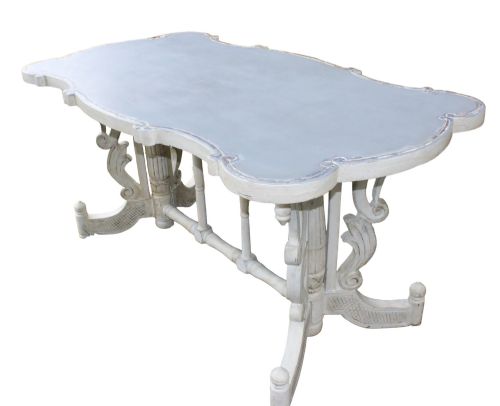
A painted library desk represents a functional workspace infused with decorative pigment, bridging the gap between utilitarian furniture and artistic expression. These pieces span the nineteenth century, encompassing Victorian and Regency periods alongside specific years such as 1850, 1860, and 1900.
Buyers encountering this search phrase often meet drum tables, writing tables, and knee-hole desks fashioned from materials like painted wood and mahogany. Styles range from Georgian and Sheraton to French Empire and French Neoclassical.
The assortment on this page blends classic writing furniture with related accessories and occasional tables, all sharing a foundation in historical European cabinet-making traditions.
Materials and construction
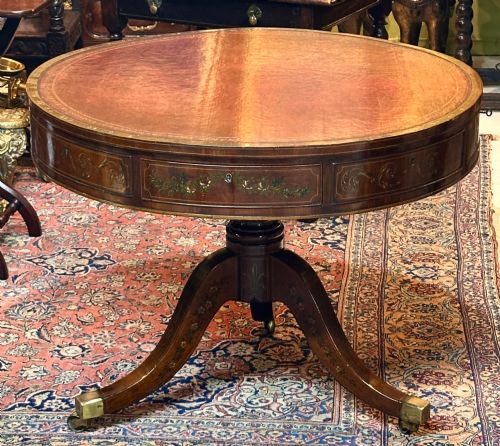
Timbers such as mahogany, satinwood, and burr walnut provide the structural integrity for these writing surfaces, frequently augmented by brass mounts and leather inserts. Cabinet-makers shaped these woods into drum forms, trestles, and freestanding knee-hole desks.
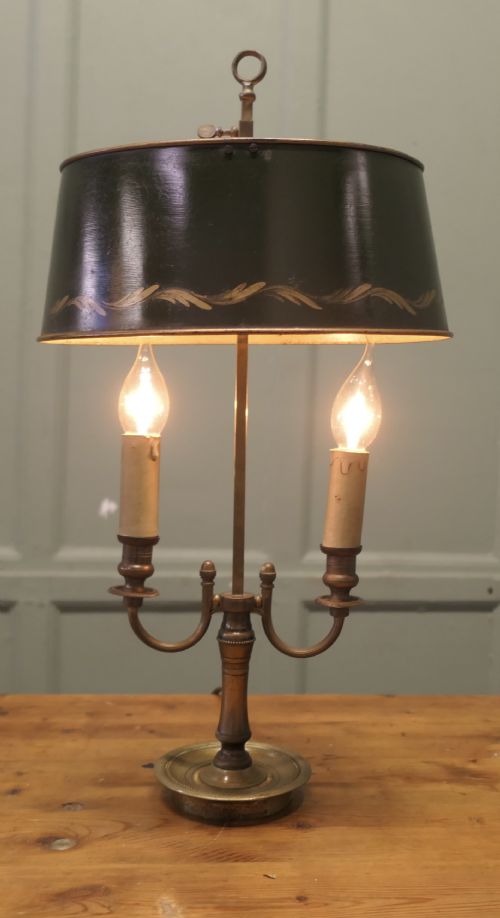
Polychrome paint, ivory paintwork, and hand-decoration transform plain timber into colourful decorative objects, often paired with parcel-gilt details or marble tops. Metalwork elements like toleware and brass appear on associated desk lamps and lighting fixtures.
Painted Library Desk Retail Price Guide 2026
Typical asking prices for painted library desk among the pieces listed under this phrase on Sellingantiques today, from the lower quarter to the upper quarter. They describe what is for sale here now, not the wider market.
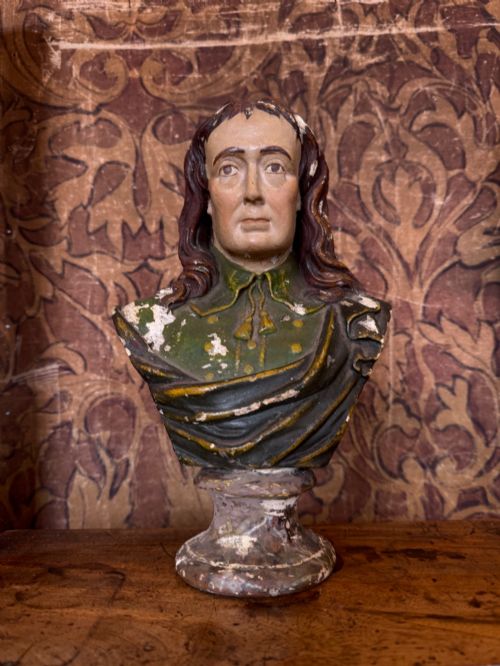
John Milton watches over the library from his nineteenth-century bust, perhaps inspiring prose while the ink dries.
Distinctions in quality
The refinement of the painted decoration dictates much of the visual distinction across these pieces, separating simple utilitarian surfaces from finely detailed works. Hand-decorated motifs and integrated parcel-gilt or carved giltwood elements reflect higher artisan input.
The choice of primary timber, from standard painted wood to figured burr walnut and satinwood, influences the structural prestige and tactile weight of the desk. Original hardware, such as brass mountings and fitted leather writing panels, completes a cohesive period build.
The Painted Library Desk Glossary
- Drum table
- A circular library table with a deep frieze containing drawers, typically supported on a central pillar and tripod base.
- Toleware
- Enamelled or painted metalware, frequently utilised for nineteenth-century desk lamps and bouillotte lighting.
- Parcel-gilt
- Partially gilded with gold leaf or powder, highlighting specific carved or painted details on the wood surface.
- Knee-hole desk
- A compact writing desk featuring a recessed central space for the user's legs, flanked by pedestals of drawers.
Painted Library Desk: Frequently Asked Questions
What is a painted library desk?
A painted library desk is a nineteenth-century writing surface finished with decorative pigments, ranging from drum tables to knee-hole desks.
These pieces combine functional storage with artistic surface treatments characteristic of periods like the Regency and Victorian eras.
How do I style a painted desk?
Position the desk as a freestanding centrepiece in a study or living area to showcase its decorated sides and proportions.
Complement the painted wood finish with period-appropriate accessories like toleware lamps and brass-mounted book holders.
What woods were used?
Cabinet-makers utilised mahogany, satinwood, and burr walnut as the primary structural timbers for these library tables and writing desks.
These woods were often painted directly or combined with contrasting veneers and parcel-gilt highlights.
Are these desks strictly English?
While many pieces reflect English Sheraton and Victorian designs, the selection includes French Neoclassical and Japanese influenced examples.
Continental workshops contributed significantly to the variety of painted finishes and metalwork details seen on this page.