

Painted Lamp Base
A painted lamp base brings colour and pattern directly to a room, offering a decorative vertical form shaped from porcelain, wood, or metal.
Painted Lamp Base
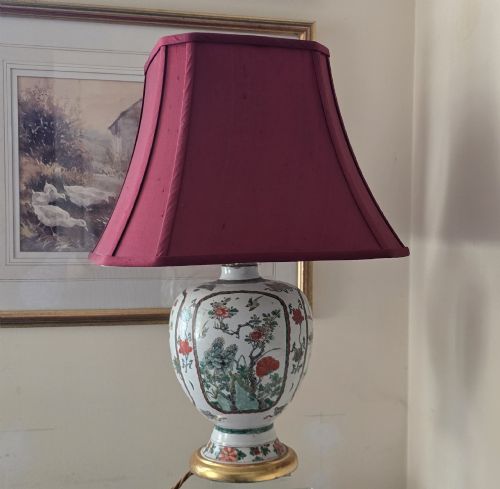
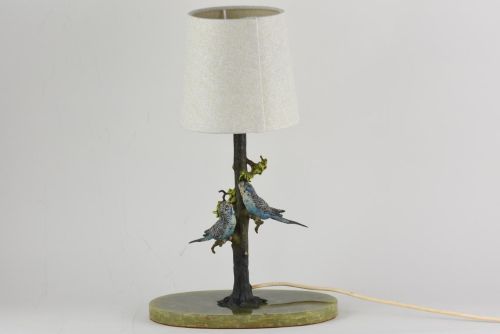
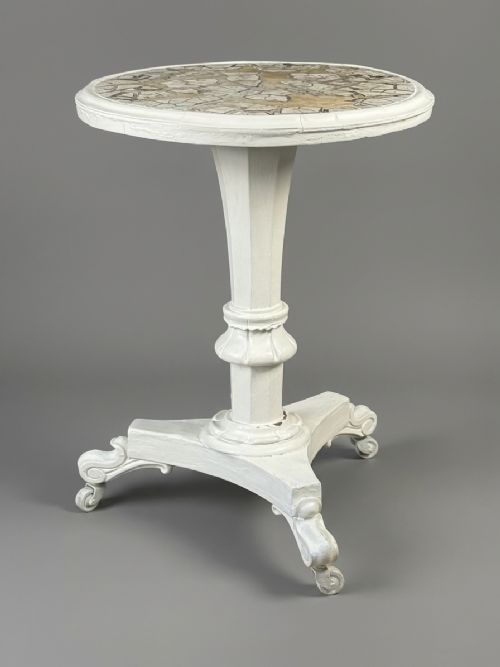
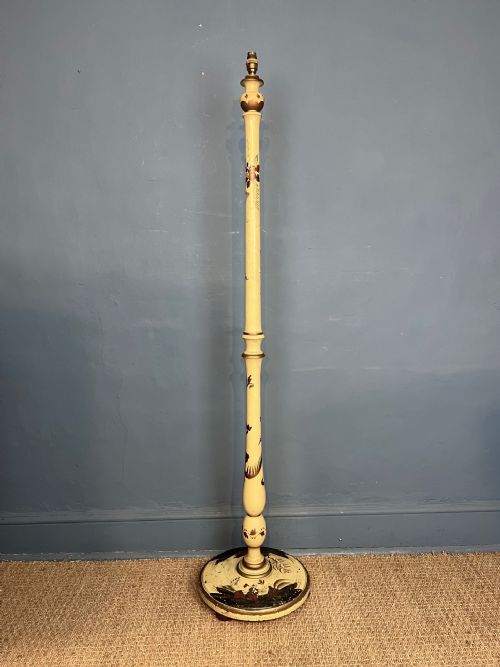
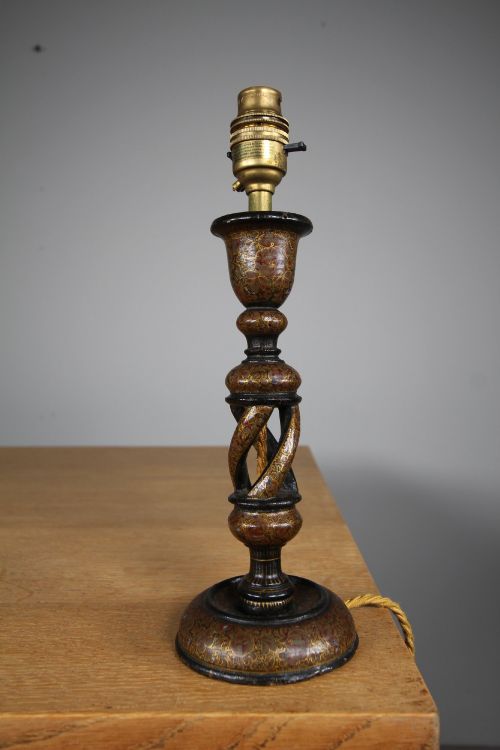
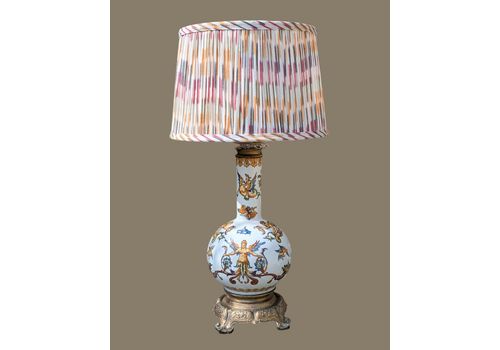
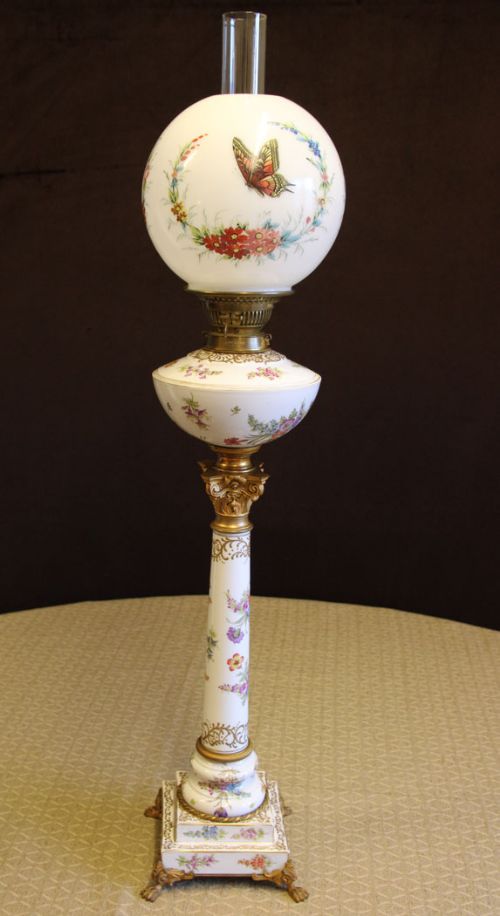
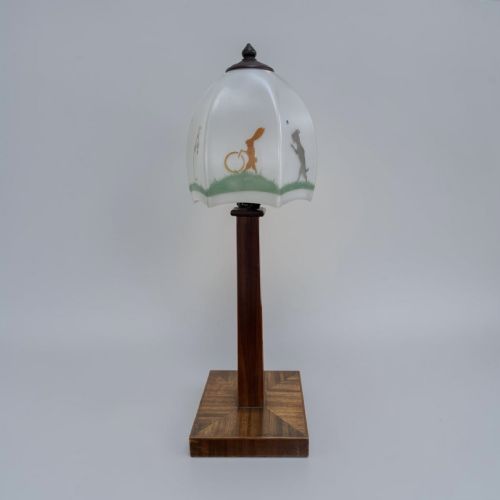
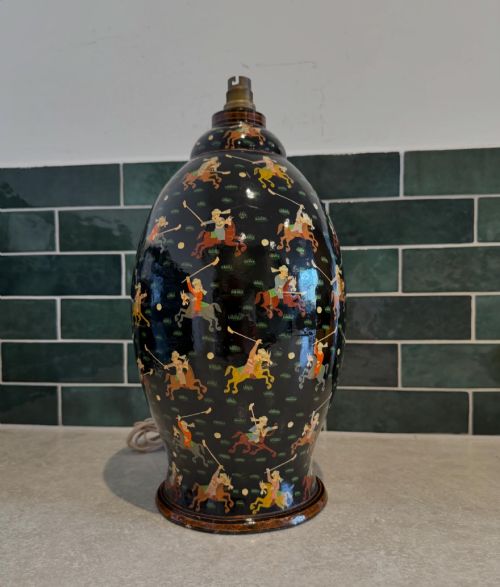
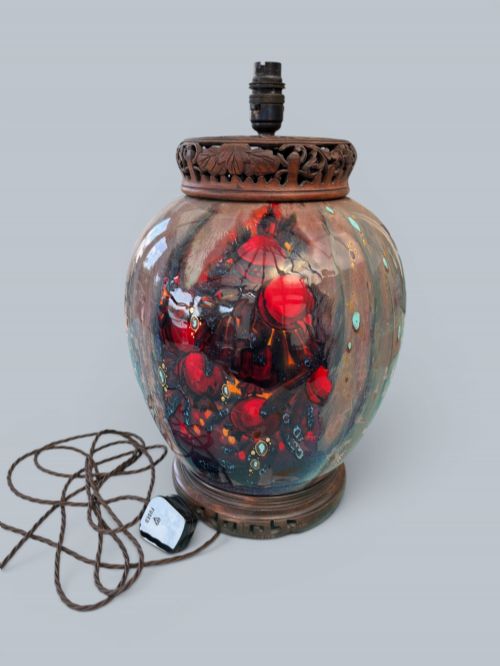
A painted lamp base is a vertical lighting support decorated with applied pigment, enamel, or lacquer, encompassing table lamps, standard lamps, and converted oil lamps. When searching for a painted lamp base, buyers encounter diverse regional traditions and domestic English pieces spanning multiple centuries. These objects range from converted ginger jars and vases to turned wooden standards and papier-mache columns.
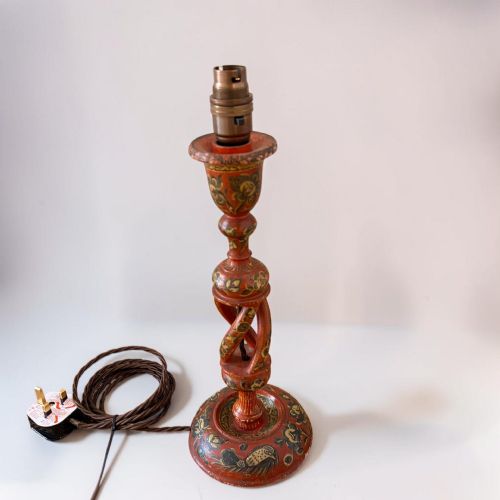
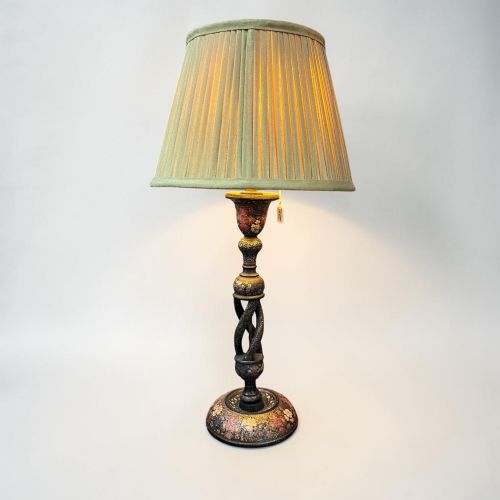
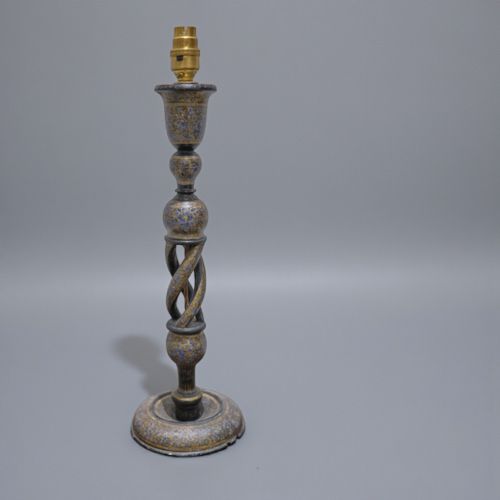
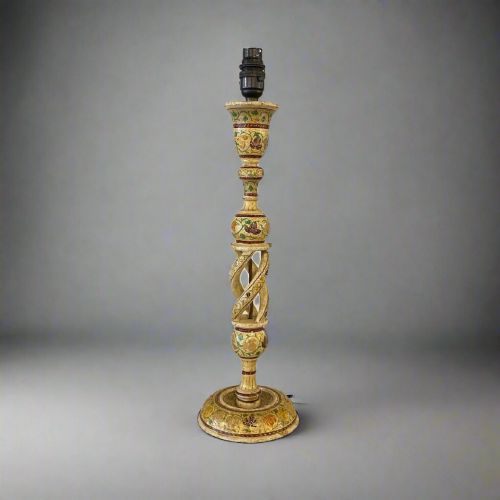
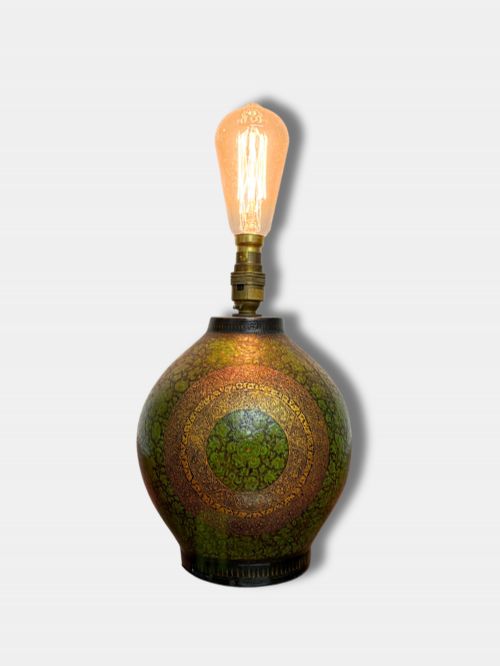
The most common versions met on this page include Chinoiserie lacquer designs, Kashmiri papier-mache twist columns, and porcelain vessels bearing hand-painted motifs. Pieces originate from periods such as the nineteenth century, the Edwardian era, and the nineteen-twenties, showing styles from Art Deco and Art Nouveau to Neoclassical and Renaissance Revival. Many items began life as oil lamps, vases, tea canisters, or jars before receiving electrical fittings later.
How they were made
Makers formed these bases from solid materials like wood, brass, and heavy porcelain, alongside fragile substrates such as opaline glass, papier-mache, and tinplate. Wood was often turned on a lathe into twists or classical columns before receiving coats of paint, gilt, or lacquer. Porcelain bodies, including Majolica, Delft, and Chinese export wares, utilised fired ceramic glazes and hand-painted overglaze pigments.
Papier-mache items required layers of paper pulp pressed into moulds, sealed, and meticulously painted with intricate floral or geometric patterns in green, gold, and red. Metal bases frequently employed brass mounts to secure delicate ceramic or glass reservoirs. Many older examples have been rewired for modern electrical use while retaining their original decorative surfaces.
Painted Lamp Base Retail Price Guide 2026
Typical asking prices for painted lamp base among the pieces listed under this phrase on Sellingantiques today, from the lower quarter to the upper quarter. They describe what is for sale here now, not the wider market.
One cheerful mandarin orange lacquer lamp proudly demands a room's entire attention.
What varies in quality
Quality rests in the precision of the hand-painted decoration, the integrity of the underlying material, and the balance of the proportions. Superior examples display crisp brushwork, rich gilding, and stable construction that prevents any wobble in the vertical shaft. Inferior or later derivative pieces often show flat, muddy paint application and careless conversion work.
The sophistication of the stylistic execution distinguishes finer items, whether in the delicate detailing of a Chinoiserie landscape or the crisp turning of a wooden standard. Original mounts, intact lacquer layers, and well-preserved ceramic bodies command greater regard than poorly matched components assembled from disparate periods.
The Painted Lamp Base Glossary
- Chinoiserie
- European interpretation and imitation of Chinese and East Asian artistic traditions, frequently featuring landscapes, figures, and pavilions rendered in lacquer or paint. This style became particularly popular during revival periods in the nineteenth and early twentieth centuries.
- Papier-mache
- A composite material consisting of paper pieces or pulp reinforced with glue, starch, or resin, moulded into shape and painted once dry. Kashmiri makers utilised this technique to create lightweight, highly decorated lamp bases.
- Tole peinte
- Painted sheet metal, typically tinplate or iron, decorated with enamel or oil-based pigments and often varnished. Items in this category include nineteenth-century table lamps.
- Majolica
- Heavy earthenware pottery covered with an opaque tin-lead glaze and painted with bright colours. This technique yields a glossy finish suited to decorative nineteenth-century lamp bodies.
- Standard lamp
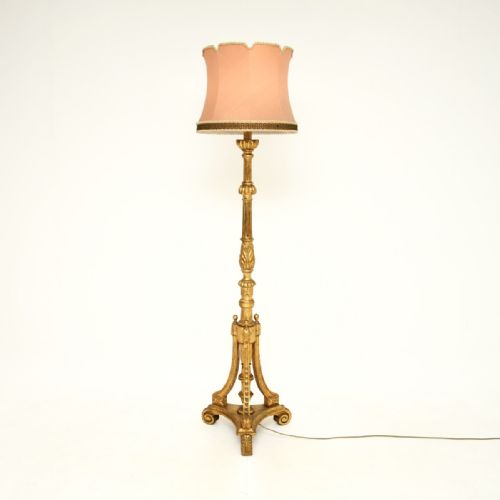
- A tall floor-standing lamp base designed to provide ambient room illumination. These pieces often feature turned wooden columns or decorative metal shafts.
Painted Lamp Base: Frequently Asked Questions
How do I rewire an antique lamp?
Rewiring involves replacing old internal flex and lamp holders with modern compliant electrical components while preserving the exterior structure. Many pieces already feature updated wiring.
It is advisable to have a qualified electrician handle the internal wiring to ensure safety and compliance with current standards.
What shades suit a painted lamp?
Fabric shades in neutral silks or textured linens allow the painted patterns on the base to remain the visual focus. The scale of the shade should balance the height and width of the specific base.
Matching the lining colour to tones within the painted design helps tie the entire lamp together cohesively.
Are these bases heavy enough?
Most ceramic, brass, and hardwood bases possess sufficient natural weight to remain stable on side tables or floors. Papier-mache and lighter wood standards rely on well-balanced proportions to prevent tipping.
Heavier metal mounts are frequently added to the base to improve overall balance during daily use.
How should I clean painted surfaces?
Gentle dusting with a soft, dry microfibre cloth removes surface particles without risking the painted or lacquered finish. Moisture and chemical cleaners should be avoided on fragile lacquer and papier-mache.
Porcelain and glass sections tolerate careful wiping with a barely damp cloth when necessary.