


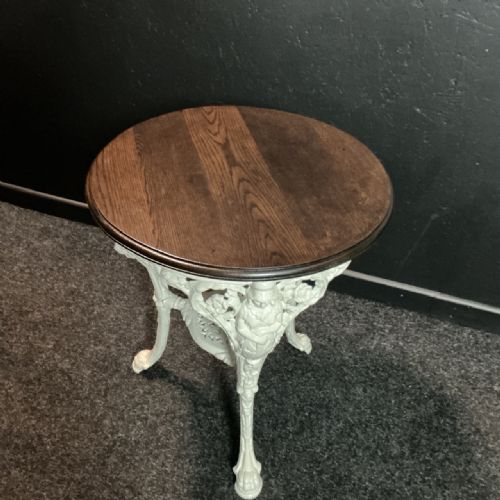
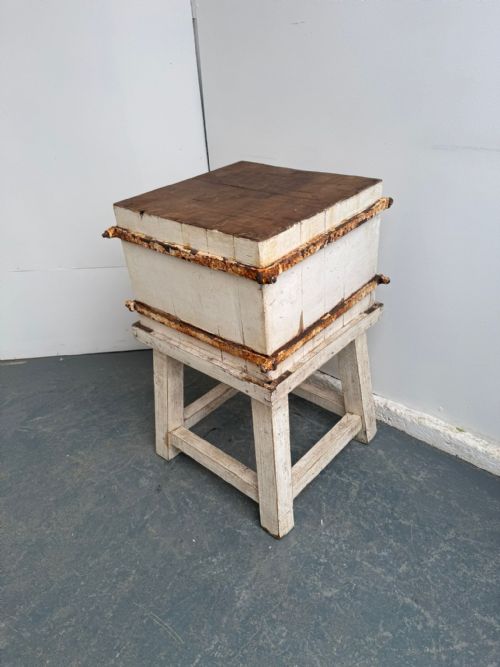

Painted Iron Table
A painted iron table brings robust structural character and enduring utility to gardens, orangeries, and domestic interiors alike.
Painted Iron Table
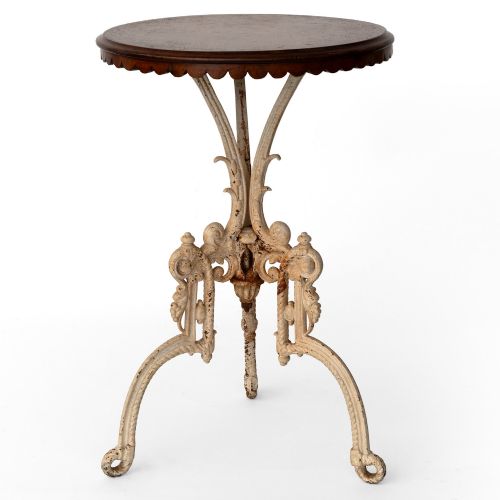
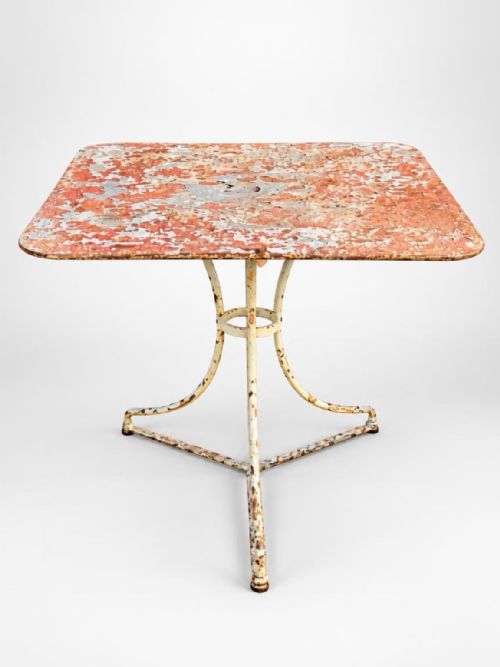
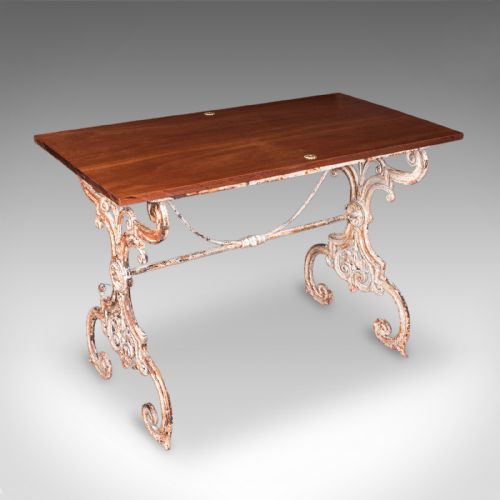
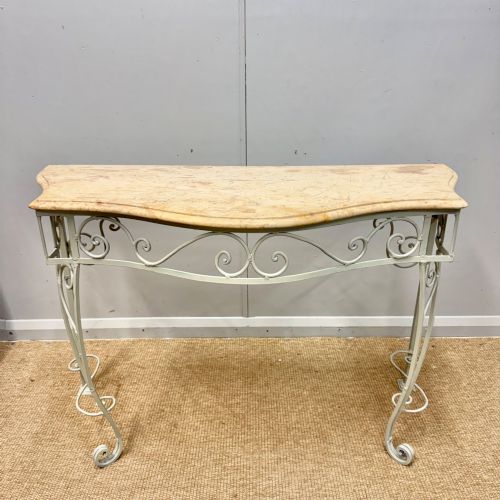
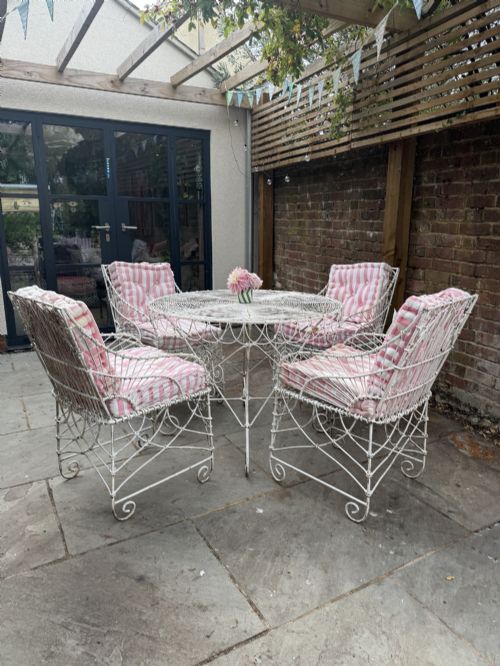
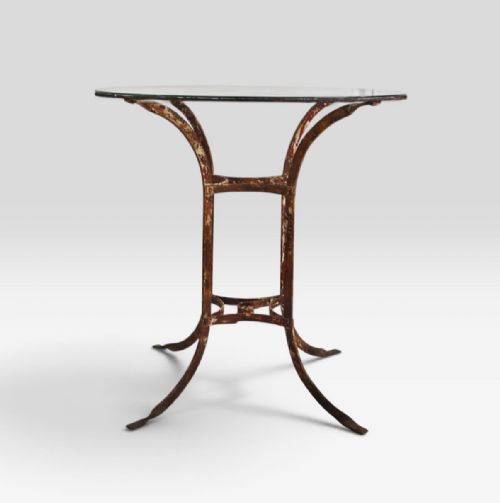
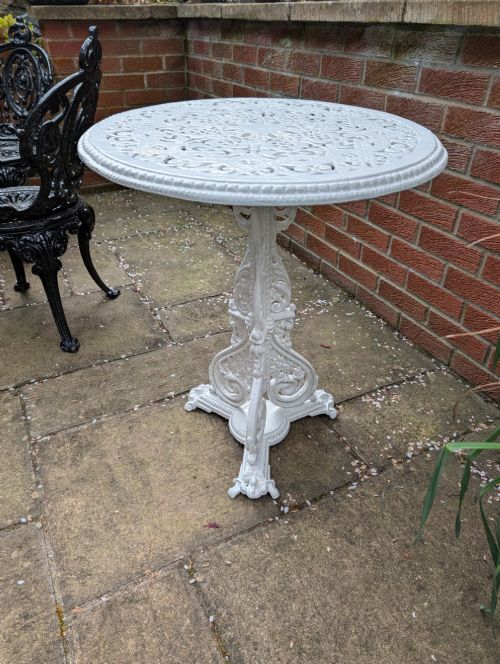
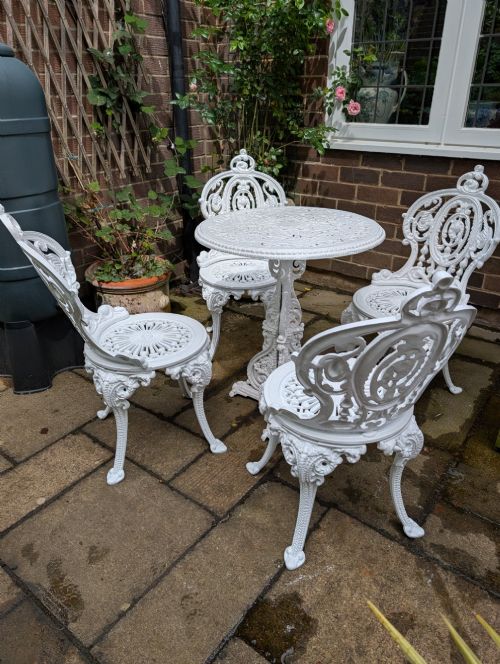
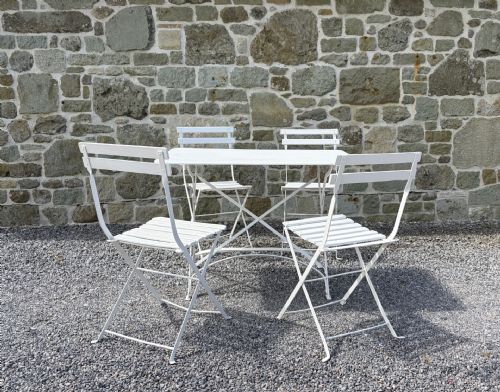
A painted iron table encompasses robust metal furniture pieces originating from the nineteenth and early twentieth centuries, spanning Victorian, Edwardian, and Art Deco eras. Buyers searching for a painted iron table will frequently encounter garden pieces, console tables, and bistro surfaces designed for both indoor and outdoor utility.
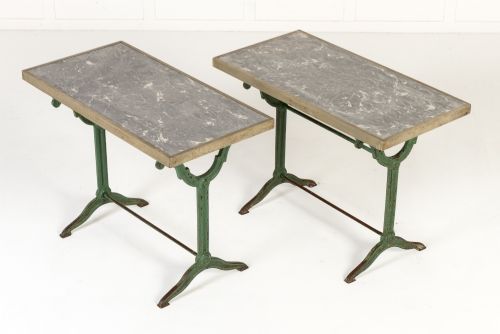
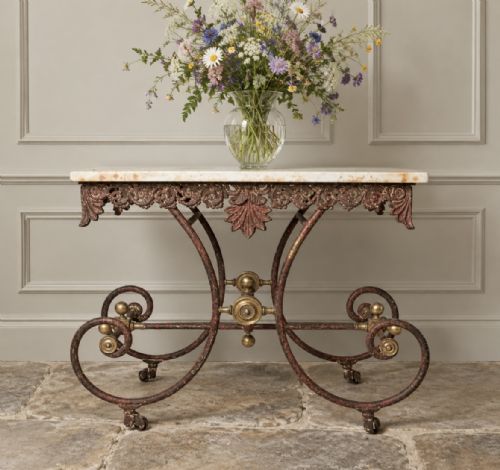
The selection ranges from heavy Victorian pub and garden designs featuring durable cast iron to French provincial console formats that integrate stone, marble, or wooden surfaces. These objects serve practical display or dining functions while retaining the weathered patina of their historic origins.
Construction and Materials
Makers utilised cast iron for complex framing and sculptural pedestal bases, often combining the metal with wrought iron elements for structural stability. Surfaces were frequently paired with contrasting materials such as solid marble, stone, wood, or glass.
The protective paint layers applied over the metal formed an essential barrier against oxidation, evolving over decades through repeated refinishing in shades like green and white. Brass components and enamel details occasionally appeared on interior decorative variants from the late nineteenth and early twentieth centuries.
Painted Iron Table Retail Price Guide 2026
Typical asking prices for painted iron table among the pieces listed under this phrase on Sellingantiques today, from the lower quarter to the upper quarter. They describe what is for sale here now, not the wider market.
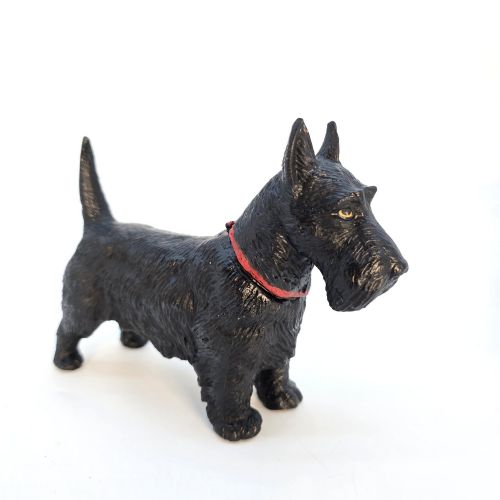
Victorian founders cast everything from sturdy pub tables to small metal dogs, proving the Victorians would cast iron out of practically anything.
Judging Quality
The distinction between ordinary and superior pieces rests upon the crispness of the iron casting and the integrity of the original structural joints. Examples attributed to known designers or specific regional workshops command greater interest due to their refined proportions.
The survival of authentic surface paint and the quality of fitted marble or stone tops heavily influence the character of the object. Weight, balance, and the harmonious integration of metal bases with their respective tops determine the overall integrity of the piece.
The Painted Iron Table Glossary
- Cast iron
- A sturdy ferrous alloy poured into moulds to create decorative bases and structural frames. It provides the heavy foundation characteristic of Victorian garden furniture.
- Wrought iron
- Metal heated and beaten into shape by hand, resulting in pliable, curving supports. This material often forms the chassis of French console and bistro furniture.
- Gueridon
- A small round occasional table supported by a central pillar or multiple legs. These versatile pieces frequently feature painted iron tripod bases and stone or marble tops.
- Specimen marble
- Multi-coloured marble fragments arranged in geometric or pictorial patterns to form a decorative table top. Such surfaces denote higher status Edwardian and nineteenth-century production.
- Britannia metal
- A specific alloy often associated with heavy pub table bases featuring moulded figures. The term also describes the robust utilitarian pedestal style found in commercial settings.
Painted Iron Table: Frequently Asked Questions
Can I leave my iron table outside all winter?
Historic painted iron tables withstand outdoor environments well, provided their protective paint layers remain intact and seal the metal from moisture.
Severe frost can affect integrated stone or marble tops, so sheltering delicate surfaces during harsher months preserves the material.
How do I clean a painted iron surface?
Routine maintenance requires only a soft cloth and mild soapy water to remove accumulated dust and garden debris from the painted finish.
Harsh chemical solvents or abrasive pads must be avoided to prevent stripping the historic layers of paint and exposing the raw metal beneath.
Are marble tops original to these tables?
Many nineteenth-century garden and console formats were specifically manufactured to accommodate heavy marble or stone slabs for exterior use.
Matching the weight, thickness, and bevelled edge profile helps determine whether a stone top aligns with the period of the iron base.
How do I date a cast iron base?
Stylistic indicators such as Victorian aesthetic movement motifs, registration marks, or specific foundry patterns provide the primary chronological markers.
Examining the texture of the casting and the construction bolts offers further evidence regarding the manufacturing era.