




Painted Iron Box
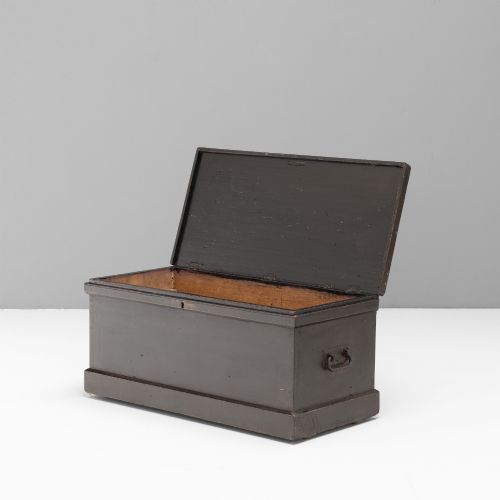
A painted iron box brings together utility and robust folk art decoration, offering secure storage with distinctive period character.
Painted Iron Box
A painted iron box serves as a durable receptacle for storage, travel, or safekeeping, spanning centuries of practical design. Buyers seeking a painted iron box encounter forms ranging from heavy-duty strongboxes and safes to small decorative caskets and storage trunks.
The pieces appearing here predominantly date from the 17th century through the early 20th century, capturing traditions from British, French, and Scandinavian makers. Alongside pure metal containers, the selection includes wooden chests, pine trunks, and oak boxes reinforced with iron hardware and painted finishes.
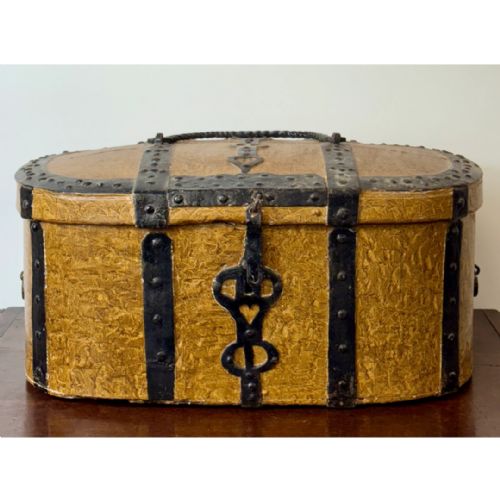
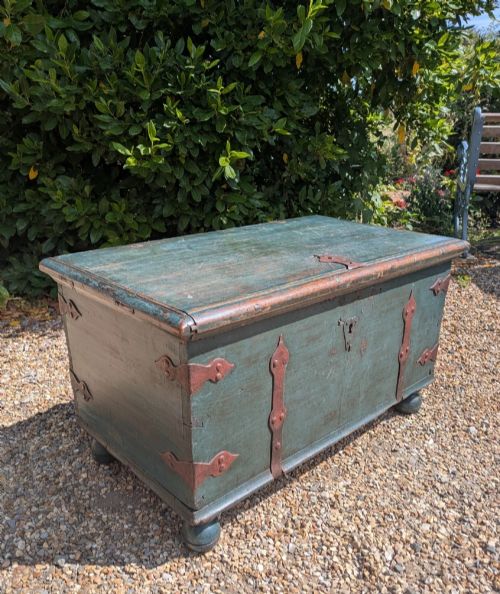
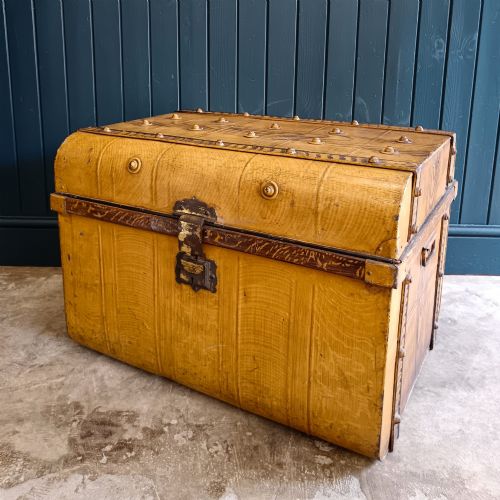
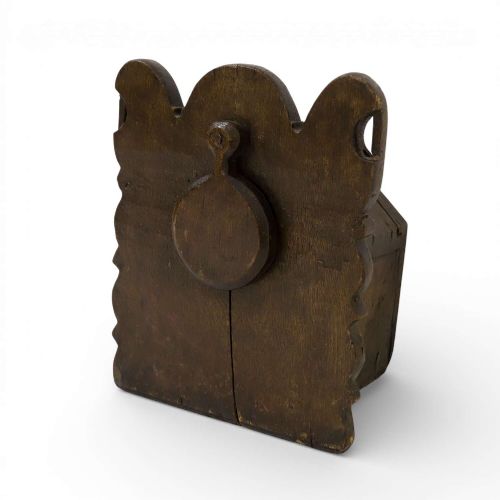
Common regional variants include Scandinavian folk art strongboxes adorned with hand-painted motifs, British oak salt boxes carrying traces of early red paint, and heavy Victorian metal-bound travelling trunks. Utility and decoration intersect closely in these items, which served everything from domestic housekeeping to military transport.
How They Were Made
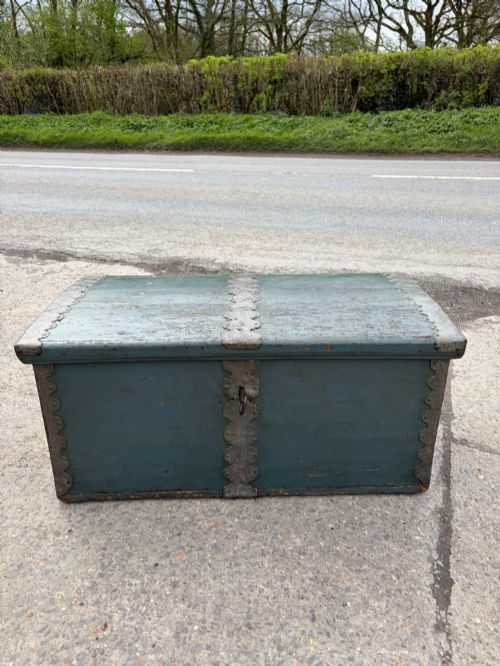
Construction relies heavily on durable metals and hardwoods such as pine, oak, and wrought or cast iron. Blacksmiths and carpenters utilised hand-forged iron strapwork, brass mountings, and heavy hinges to reinforce wooden carcases and secure metal strongboxes against forced entry.
Surfaces were often treated with oil-based paints, faux-wood finishes, or decorative hand-painted folk art motifs applied directly to iron, toleware, or timber. Original surface treatments frequently survive, showing the layered pigments and protective coatings characteristic of 18th-century and 19th-century workshop methods.
Painted Iron Box Retail Price Guide 2026
Typical asking prices for painted iron box among the pieces listed under this phrase on Sellingantiques today, from the lower quarter to the upper quarter. They describe what is for sale here now, not the wider market.
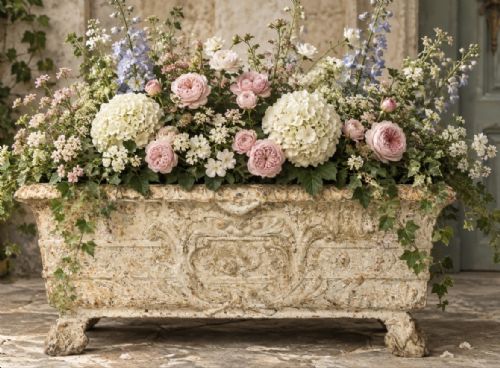
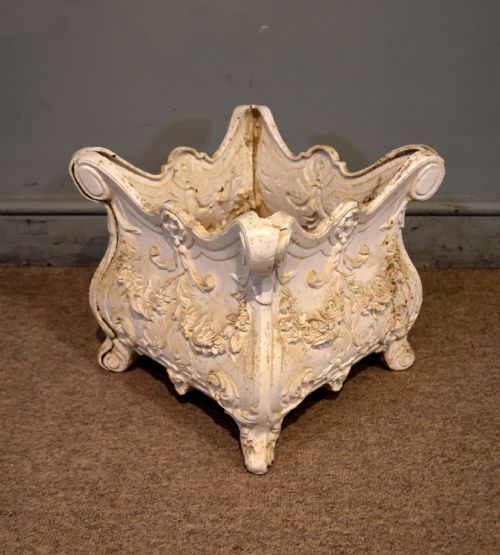
Common regional forms in the inventory include Scandinavian folk art chests, French planters, British oak salt boxes, and military campaign trunks.
What Varies in Quality
The survival and integrity of the original paint layer heavily influence the distinction between standard utilitarian containers and finer decorative examples. Pieces retaining untouched folk art decoration, original red paint traces, or authentic hand-forged hardware command stronger interest from collectors.
Structural complexity also dictates standard, separating simple sheet metal containers from intricate mechanism safes and heavily strapworked strongboxes. The precision of the blacksmith's strapwork and the retention of working internal locking systems elevate the calibre of an iron box.
Coalbrookdale·Waring & Sons
The Painted Iron Box Glossary
- Strongbox
- A secure container built for valuables, typically constructed from heavy iron or reinforced wood with complex locking mechanisms. These boxes were essential for merchants and households prior to modern banking.
- Toleware
- Metalware coated with lacquer or paint, often decorated with colourful folk designs or japanning techniques. Victorian kitchens and households commonly used toleware for buckets, bins, and boxes.
- Strapwork
- Flat strips of iron or metal riveted across the exterior of a box or chest to provide structural reinforcement. Hand-forged strapwork is a hallmark of earlier 17th-century and 18th-century ironwork.
- Folk Art
- Artistic work created within a traditional culture by self-taught or local artisans, often seen on Scandinavian painted pine boxes and marriage chests. These objects feature characteristic regional motifs and pigments.
- Dome Top
- A curved lid construction designed to shed water and increase internal storage capacity on trunks and coffers. This profile appears frequently on 18th-century and 19th-century travelling and storage chests.
Painted Iron Box: Frequently Asked Questions
What is a painted iron box used for?
These boxes served a variety of storage and transport functions in past centuries, ranging from secure money storage to household organisation.
Today, they function well as accent pieces in modern interiors, offering practical storage for blankets, documents, or household items while displaying historic character.
How do I care for original paint on metal?
Preserving the original surface requires keeping the piece in stable indoor conditions away from direct sunlight and excessive moisture. Gentle dusting with a dry cloth is sufficient, avoiding modern chemical solvents or abrasive cleaners that might lift fragile historic pigments.
Are these boxes waterproof for garden use?
While some listings include iron planters or garden troughs, historic storage boxes and strongboxes were designed for indoor domestic or travel use. Exposing antique iron and painted wood to prolonged dampness outdoors will cause active rusting and deterioration of the original finishes.
How can I tell the age of an iron box?
Dating relies on examining the construction methods, such as hand-forged iron strapwork, dovetail joints in the wood, and the composition of the paint layers. Earlier pieces from the 17th and 18th centuries typically feature heavier forged hardware and hand-mixed pigments compared to later 19th-century factory-produced items.