





Painted Glass Top Mirror
A painted glass top mirror brings a distinctive decorative presence to a room, combining substantial timber frames with reflective surfaces.
Painted Glass Top Mirror
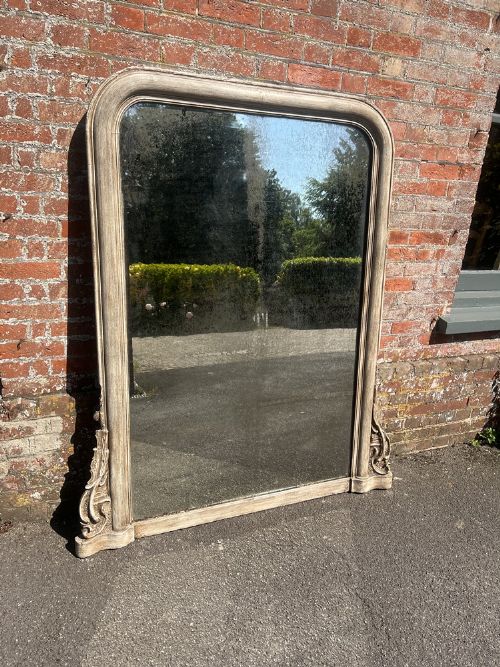
A painted glass top mirror is typically encountered as a large nineteenth century wall or overmantel piece, originating from English and French workshops. These examples feature robust wooden frames finished with paint and gesso, often displaying shaped or arched tops.
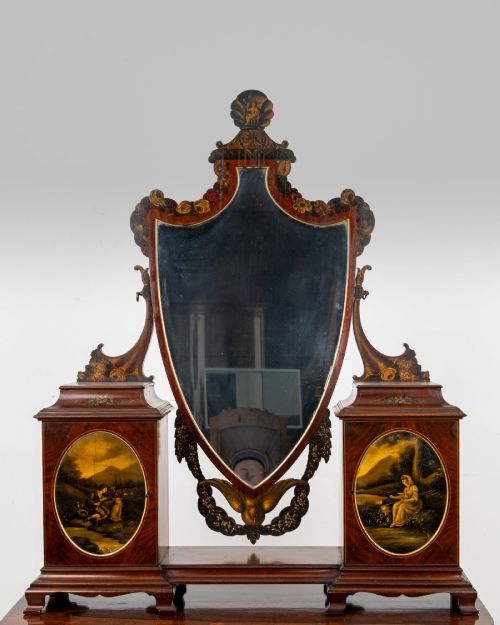
Buyers will also find specific variants such as French console tables with trumeau style mirrors, dressing table cheval mirrors, and pier mirrors. The selection spans the Regency, Victorian, and Edwardian periods, reflecting diverse stylistic influences from French Louis designs to local fairground aesthetics.
Materials and construction methods
Makers constructed the structural frames from solid timbers including mahogany and carved wood, building up decorative relief using applied gesso. These wooden foundations received layers of paint or overpainting, sometimes complemented by gilt details or inlaid wood elements.
The glazing comprises traditional mirror glass fitted securely within the shaped wooden surrounds. Craftspeople shaped the timber to form distinct arched, hour glass, or ribbed profiles before applying the final painted finishes.
Painted Glass Top Mirror Retail Price Guide 2026
Typical asking prices for painted glass top mirror among the pieces listed under this phrase on Sellingantiques today, from the lower quarter to the upper quarter. They describe what is for sale here now, not the wider market.
The listings show nineteenth century pieces predominantly utilising carved wood, gesso, and paint across English and French overmantel and wall mirror formats.
Assessing quality in the pieces
Quality rests upon the crispness of the carved wood and gesso ornamentation, where finer examples maintain sharp relief along the arched or shaped frames. The depth and integrity of the original paint layers also distinguish superior pieces from simpler later refinishing.
Proportion and scale play significant roles, particularly in large overmantel mirrors and console combinations. Well executed joinery in the frame construction ensures stability across the larger nineteenth century formats.
The Painted Glass Top Mirror Glossary
- Gesso
- A plaster based mixture applied to wooden frames to create a smooth surface for painting or gilding. It allows for intricate moulded decoration.
- Overmantel mirror
- A large mirror designed to hang above a fireplace mantelpiece. These pieces often dominate a room and feature architectural arched tops.
- Trumeau
- A decorative wall mirror or panel placed between windows or above a console table. It frequently incorporates painted scenes or carved wooden detailing.
- Pier mirror
- A tall mirror designed to hang on the narrow wall space between windows. They often sit above matching pier tables.
- Cheval mirror
- A freestanding full length mirror mounted in a frame that allows it to swing. Edwardian versions frequently incorporated miniature cabinets.
Painted Glass Top Mirror: Frequently Asked Questions
Where should I hang a large overmantel mirror?
These large pieces traditionally anchor the space directly above a fireplace, reflecting light and drawing the eye upward.
Ensure the wall fixings are secured into solid timber studs or masonry to support the substantial weight of the carved wood and glass.
How do I clean the painted wooden frame?
Dust the carved wood and gesso gently with a soft dry cloth to protect the delicate painted surface.
Avoid liquid cleaners or abrasive materials that might lift the historic paint layers or damage the gesso mouldings.
What is a Louis Philippe style mirror?
This nineteenth century French style is characterised by a subtle arched top with rounded upper corners.
The frames are typically understated yet elegant, balancing the ornate gesso work seen on other Victorian pieces.
How do I date a nineteenth century mirror?
Examine the construction of the wooden backing, the type of gesso used, and the style of the frame moulding.
English and French pieces from this era often display distinct regional carving traits and specific paint patination.