


Painted Garden Furniture
Painted garden furniture brings colour and character to outdoor spaces through robust metal and timber designs spanning multiple periods.
Painted Garden Furniture
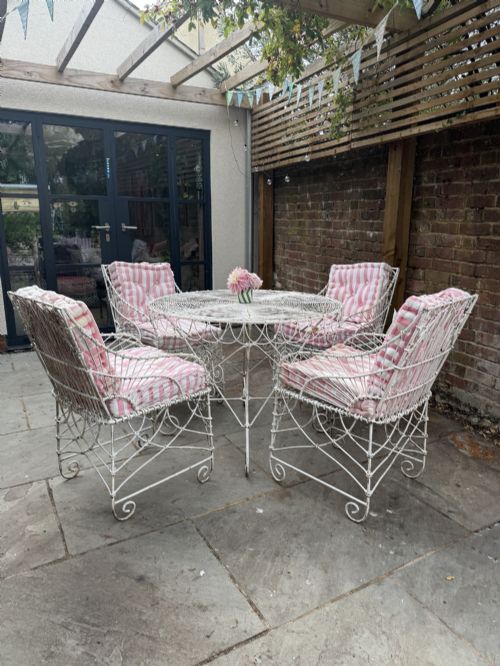
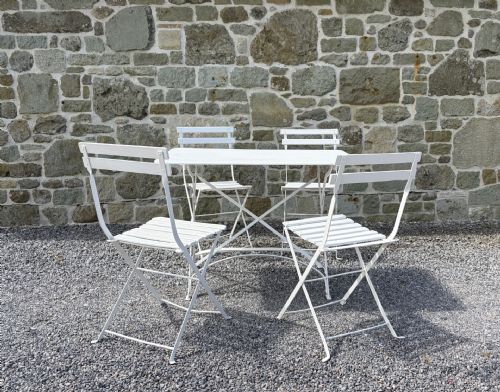
Painted garden furniture encompasses functional seating, tables, and display pieces intended for outdoor use. Benches, dining sets, armchairs, and plant stands form the core of what collectors encounter.
Pieces frequently trace back to nineteenth-century foundries and twentieth-century French or English workshops. Surviving examples range from ornate Victorian seats to clean-lined Art Deco patio settings and utilitarian railway station benches.
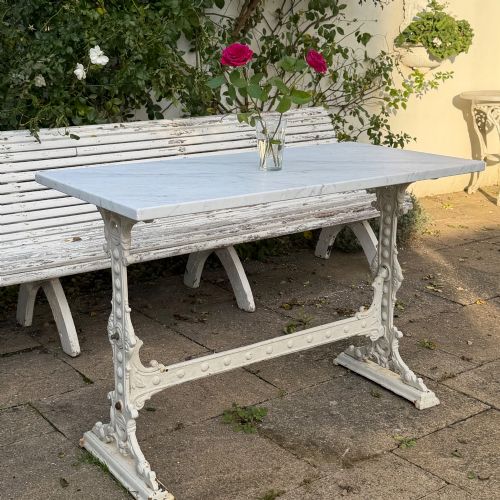
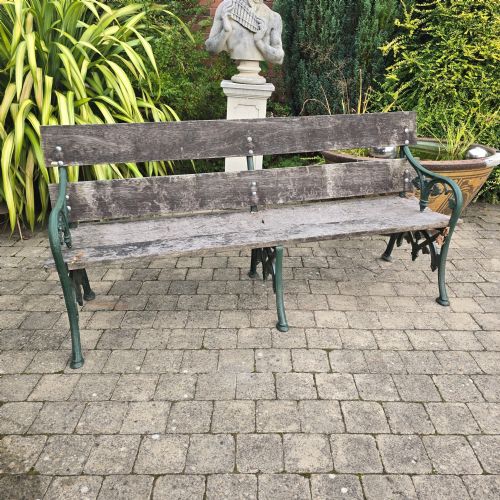
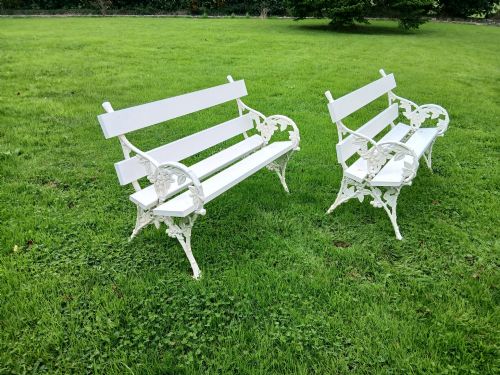
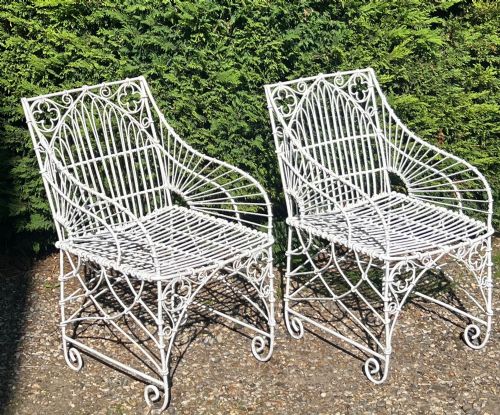
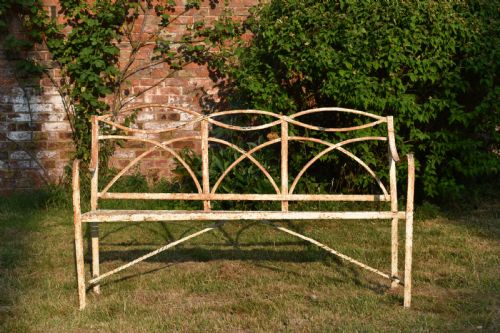
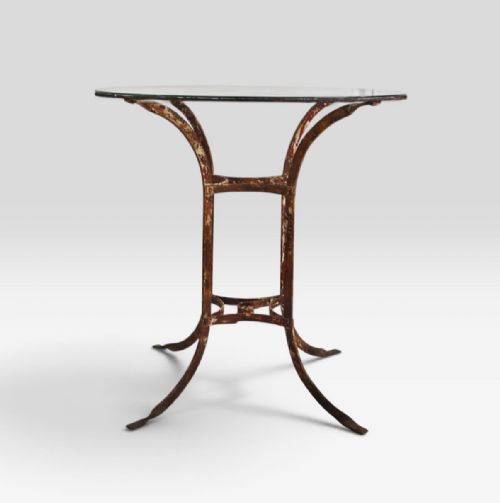
The most common configurations feature cast iron or wrought iron frameworks paired with timber elements or wirework. These items combine durability with decorative styling suited to lawns, patios, and conservatories.
Materials and Construction
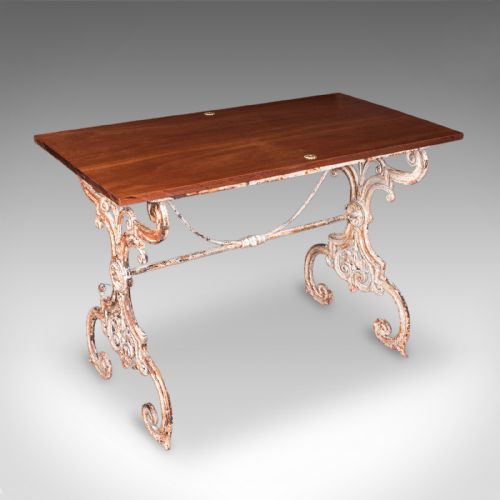
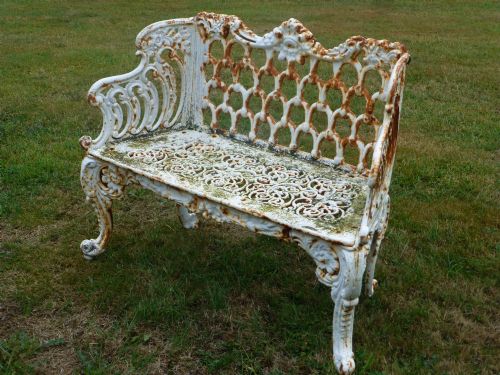
Foundries utilised cast iron and wrought iron to form intricate structural frames, scrollwork, and patterned bench ends. Timber slats, wood panels, and marble tops were subsequently integrated into tables and seating.
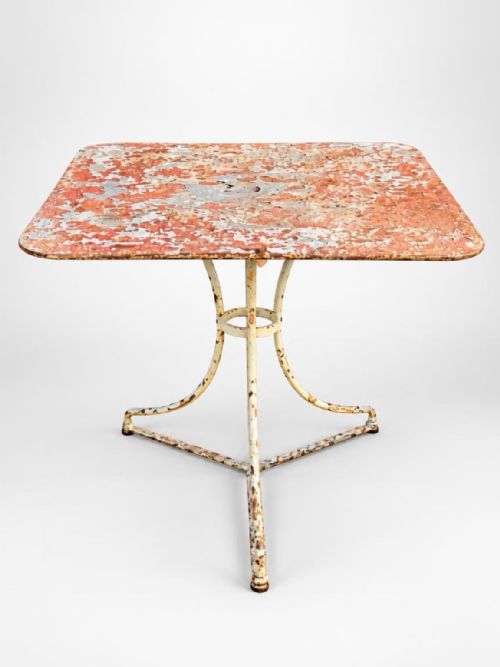
Protective and decorative paint finishes were applied over metal and wood to withstand exposure to the elements. Techniques such as wirework assembly and lacquering also appear among specific regional pieces.
Painted Garden Furniture Retail Price Guide 2026
Typical asking prices for painted garden furniture among the pieces listed under this phrase on Sellingantiques today, from the lower quarter to the upper quarter. They describe what is for sale here now, not the wider market.
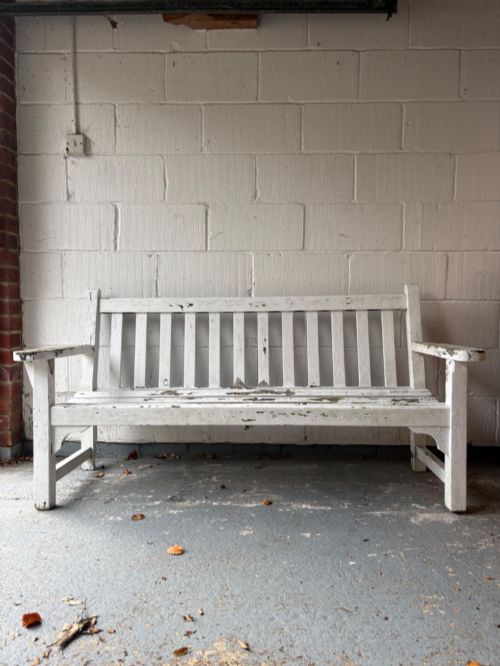
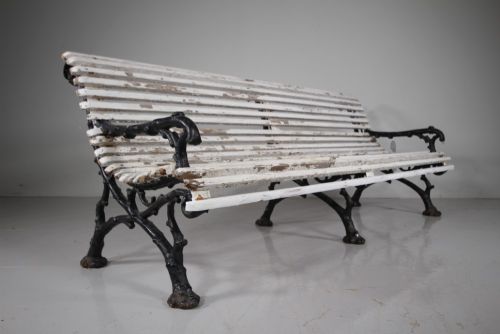
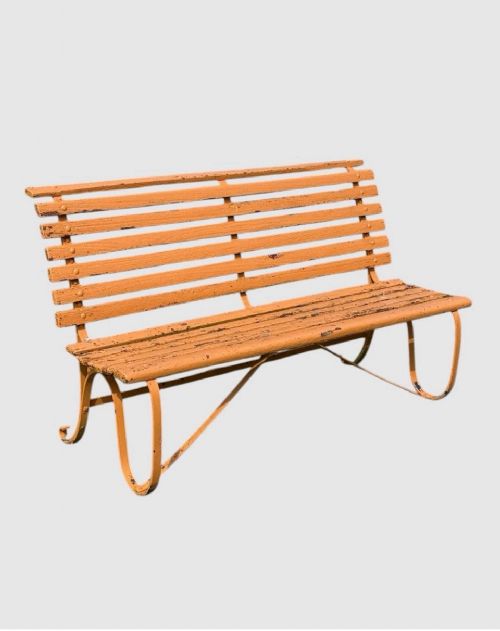
Several benches carry the ghosts of old railway stations, having spent decades watching passengers wait on British platforms.
Craftsmanship and Proportion
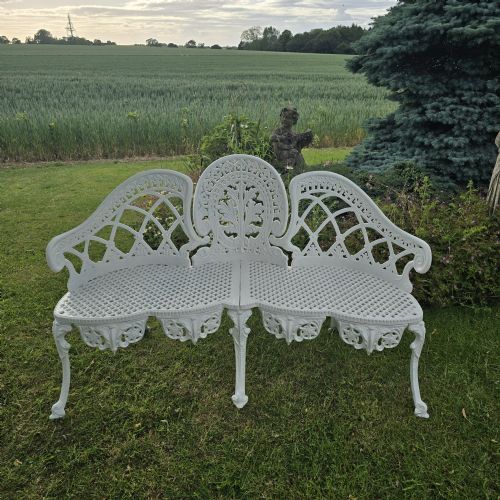
The distinction between ordinary utility items and exceptional pieces rests upon the crispness of the casting and the refinement of the decorative detail. Foundry work featuring complex botanical motifs, animal masks, or named foundry attributions displays superior artistry.
Structural integrity and the survival of original or early paint layers influence the desirability of each piece. Balanced proportions and harmonious combinations of ironwork and timber elevate the standing of individual tables and chairs.
Falkirk Carron Foundry·Christopher Dresser·Coalbrookdale
The Painted Garden Furniture Glossary
- Cast iron
- A strong, rigid alloy poured into moulds to create detailed decorative patterns and structural bench ends. It forms the heavy framework for many nineteenth-century seats.
- Wrought iron
- Iron heated and hammered into shape by hand, resulting in tough, fibrous structures used for strapwork and frames. It offers greater flexibility in design than cast iron.
- Wirework
- Metal rods and wire bent and welded into intricate latticework patterns for lightweight garden chairs and plant stands. This technique gained popularity during the Victorian era.
- Faux bois
- A decorative technique where metal or concrete is painted and shaped to imitate natural wood grain. It appears on characteristic nineteenth-century garden benches.
Painted Garden Furniture: Frequently Asked Questions
How do I care for painted outdoor metal?
Maintenance involves checking the surface for signs of wear and applying appropriate protective coatings to prevent rust accumulation on the iron structure.
Keeping the items clean from debris and storing them under cover during harsh winter months helps preserve the finish.
Can these items stay outside year-round?
Most cast iron and wrought iron pieces tolerate outdoor conditions well due to their heavy metal construction and protective paint layers.
Wooden elements and painted finishes benefit from sheltered placement during extreme weather to prevent unnecessary degradation.
How do I identify a Victorian piece?
Victorian examples often display heavy cast iron framing with botanical motifs, rustic branches, or ornate strapwork patterns. Maker marks or specific foundry designs frequently corroborate this nineteenth-century origin.
Construction methods typically rely on bolted iron components and dense timber slats characteristic of the period.
What is the difference between cast and wrought iron?
Cast iron is brittle and formed by pouring molten metal into a mould, allowing for intricate three-dimensional details like leaves and animal masks.
Wrought iron is worked by hand while hot, yielding fibrous and pliable bars well suited for curved frames and linear strapwork.