





Painted Fruit Vessel
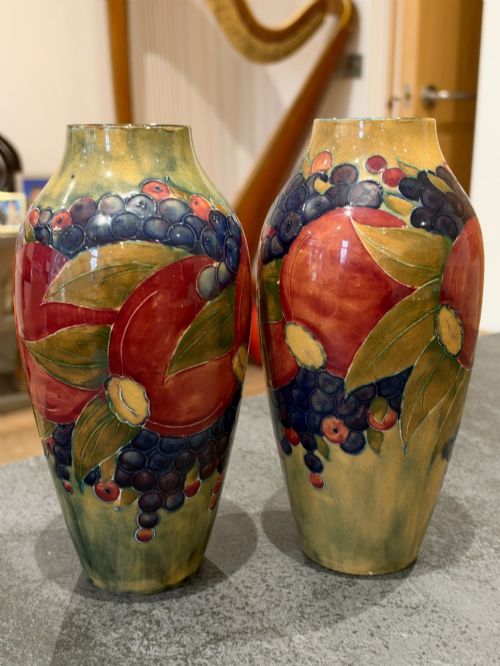
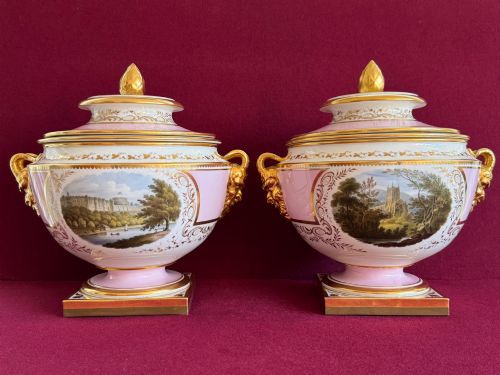
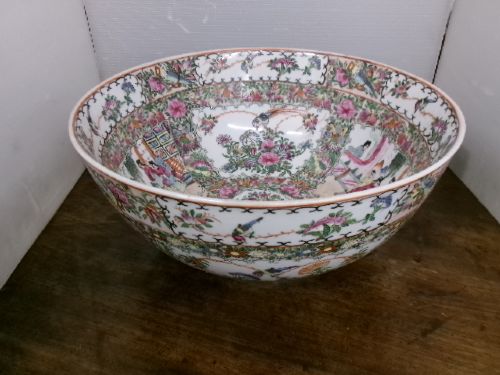
These painted fruit vessel examples bring botanical detail and rich colour to a room, offering classic ceramic forms decorated with natural subjects.
Painted Fruit Vessel
A painted fruit vessel encompasses decorative bowls, ginger jars, ice pails, and vases created across various periods including the Regency era, Edwardian years, and mid-twentieth century. These pieces display hand-painted fruit motifs executed on ceramic bodies, often originating from English potteries or international workshops.
The most frequent examples encountered on this page originate from Royal Worcester, alongside notable pieces from Moorcroft, Wemyss, and Chinese export or Japanese Satsuma production. Forms range from boat-shaped bowls and handled cups to covered vases and urns.
Buyers seeking a painted fruit vessel will find works featuring meticulous botanical studies, gilding, and traditional earthenware or porcelain manufacture. Each piece demonstrates the specific decorative tastes of its decade, spanning from nineteenth-century Regency styles to Art Deco expressions.
How they were made
Makers utilised porcelain, bone china, and glazed earthenware to form the body of each vessel before applying detailed pigments by hand. Glazes were fired to protect the delicate painted fruit scenes and underlying ceramic structures.
Many items incorporated gold leaf, gilt, and intricate gilding to highlight handles, rims, and borders. These metallic additions complemented the rich colours of the painted fruit subjects across various periods.
Painted Fruit Vessel Retail Price Guide 2026
Typical asking prices for painted fruit vessel among the pieces listed under this phrase on Sellingantiques today, from the lower quarter to the upper quarter. They describe what is for sale here now, not the wider market.
Materials appearing across the inventory include porcelain, bone china, glazed earthenware, and gold leaf.
What varies in quality
The standard of a painted fruit vessel depends heavily on the precision of the brushwork and the complexity of the fruit composition. Pieces bearing signatures from known artists demonstrate superior individual execution compared to unmarked factory output.
Quality also rests in the application of auxiliary materials such as gold leaf and gilding, alongside the sophistication of the ceramic shape. Finer examples maintain crisp detail in both the painted subjects and the moulded earthenware or porcelain forms.
Royal Worcester·Flight Barr And Barr·William Moorcroft·Wemyss
The Painted Fruit Vessel Glossary
- Gilding
- The application of gold leaf or gold powder to ceramic surfaces. This technique adds metallic lustre to rims, handles, and decorative borders.
- Earthenware
- Porous pottery fired at lower temperatures than porcelain. It requires a protective glaze to hold liquids and display painted decoration securely.
- Porcelain
- A hard, fine-grained ceramic material fired at high temperatures. It provides a smooth white ground ideal for detailed botanical painting.
- Pot Pourri
- A vessel featuring a pierced cover designed to hold dried scented plant material. These containers often featured elaborate painted fruit or floral motifs.
- Ice Pail
- A specialised ceramic container historically used for chilling or serving ice at formal dining tables. These robust vessels frequently included fitted covers and handles.
Painted Fruit Vessel: Frequently Asked Questions
How do I identify a painted fruit vessel?
Look for hand-painted botanical motifs depicting apples, pears, berries, or citrus on porcelain, bone china, or earthenware bodies. Many pieces also feature factory backstamps or artist signatures near the base.
Examine the form and style to determine the period, as Edwardian and mid-century English potteries frequently utilised these naturalistic subjects on bowls and vases.
Where were these ceramic pieces made?
The pieces originate from prominent English porcelain and earthenware manufacturers, alongside international workshops including Chinese export and Japanese Satsuma makers. Traditional English potteries produced the majority of the examples seen here.
Regional differences in clay preparation and glaze formulation help distinguish between British factory production and overseas wares.
How should I display a painted fruit vessel?
Place these vessels in well-lit areas where the hand-painted details and gold leaf highlights can catch natural light. Ensure they rest on stable surfaces away from high-traffic zones to protect fragile porcelain and earthenware bodies.
Pairing ginger jars, bowls, or vases with complementary antique ceramics creates a balanced display that respects the traditional aesthetic of the pieces.
Are these vessels intended for daily use?
Most painted fruit vessels serve primarily as decorative objects rather than functional tableware. The delicate overglaze painting and gold leaf can wear down with frequent handling or washing.
Gentle dusting with a soft cloth preserves the surface decoration without risking damage to the glaze or the underlying ceramic material.