



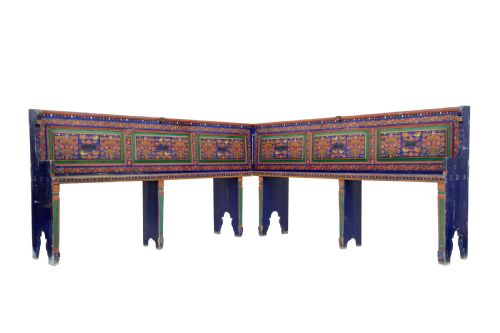


Painted Folk Art Bench
These painted folk art bench examples bring robust continental character and vibrant regional charm into any interior.
Painted Folk Art Bench
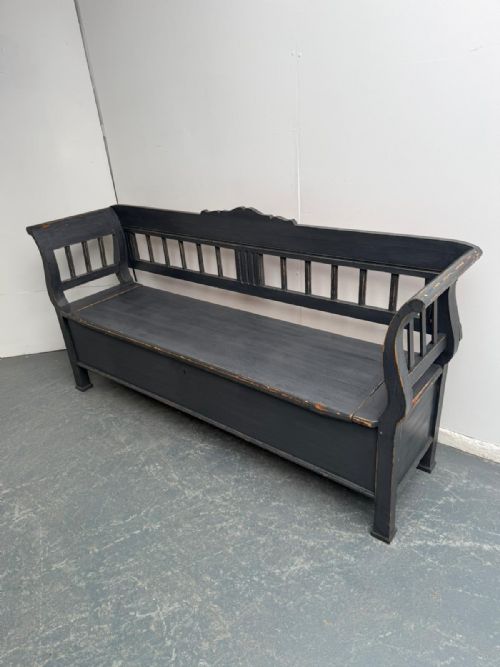
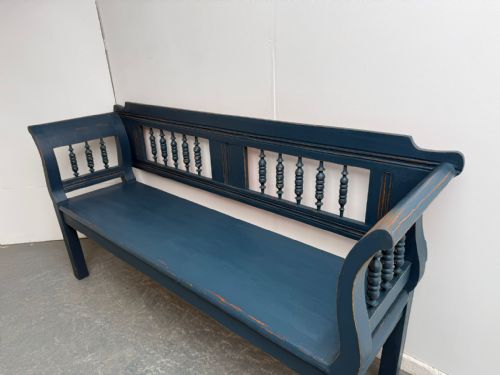
A painted folk art bench brings utilitarian country seating together with expressive regional decoration, originating across various European workshops. Buyers exploring this selection encounter sturdy timber forms designed for farmhouse, cottage and tavern use.
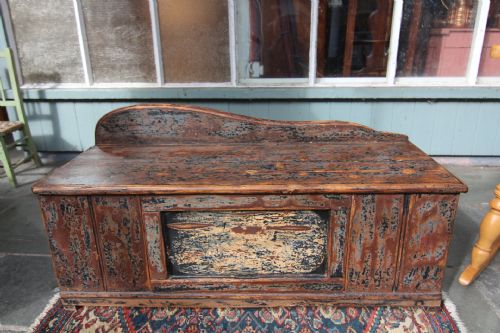
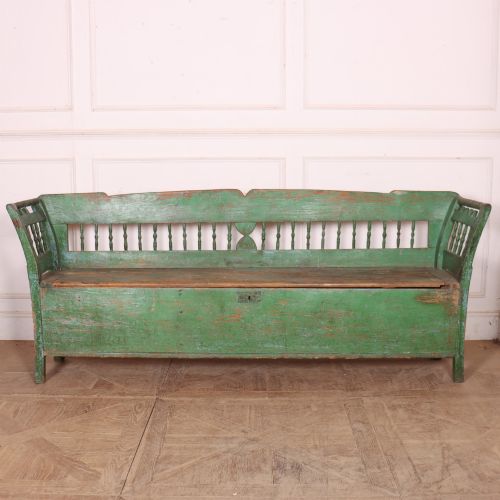
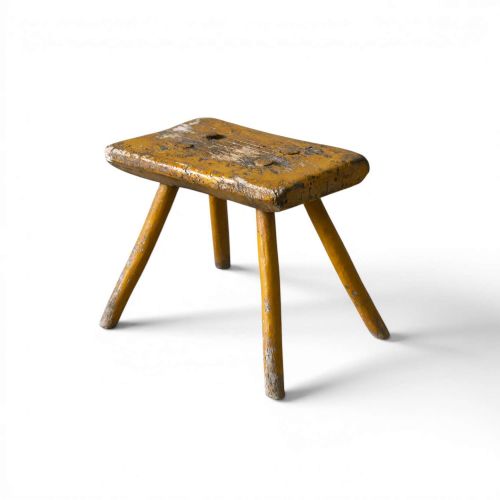
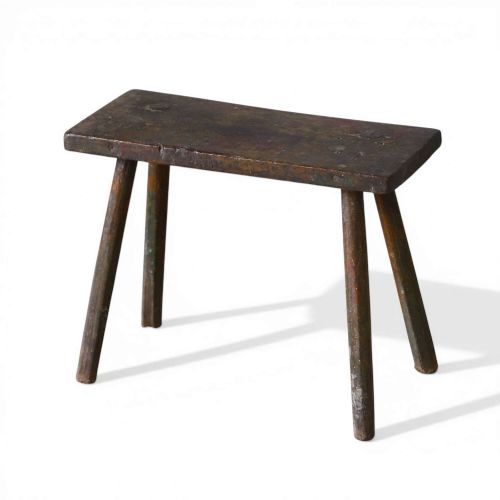
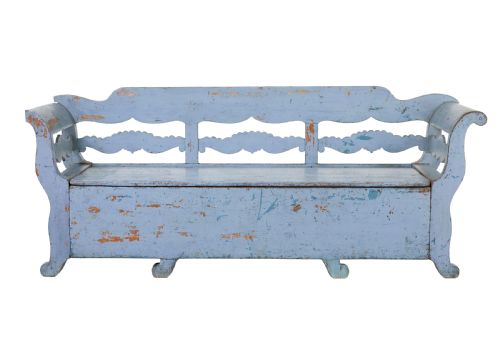
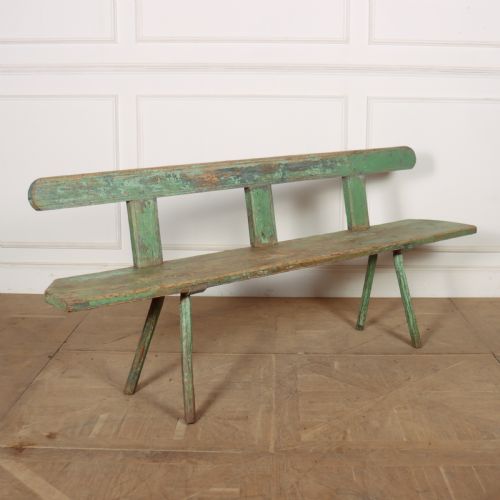
The pieces appearing here span the Georgian, Victorian and nineteenth century periods, incorporating styles such as Scandinavian country, Austrian folk art and Hungarian folk art. Forms range from three-seater settling benches and box seats to corner seats and smaller milking stools.
Continental folk art traditions dominate the selection, often featuring enclosed box bases or high backs designed to block draughts. These functional objects served generations in rural households before transitioning into decorative focal points for modern homes.
How they were made
Local joiners constructed these seats primarily from pine and timber, utilising straightforward woodworking techniques suited to rural workshops. Iron fasteners and hinges frequently secure the moving parts of box seats and settles.
Surfaces received protective and decorative coats of paint, with original ochre, green, grey, blue and cream pigments surviving on many examples. Scumble finishes and hand-painted motifs complete the distinctive appearance of these regional pieces.
Listings feature pine and timber substrates enhanced by original ochre, green, blue, grey and cream paint finishes.
What varies in quality
The survival of original surface decoration distinguishes standard examples from superior pieces, particularly where distinct ochre, green or blue paint remains intact. Surface wear tells the history of each item without diminishing its decorative impact.
Proportions and structural integrity also separate individual items, with neat proportions and unusual forms commanding attention. The complexity of regional styles, from Scandinavian country lines to Hungarian details, shapes the character of each seat.
The Painted Folk Art Bench Glossary
- Settle
- A wooden bench with a high back, solid arms and often a storage box beneath the seat. These were positioned near firesides to block cold draughts in older homes.
- Scumble
- A decorative painting technique involving layers of translucent colour dragged or mottled over a base coat to imitate wood grain or create texture. It appears on regional primitive pine furniture.
- Polychrome
- Decorated in multiple colours. This term describes pieces featuring varied painted highlights or pictorial folk motifs.
- Box seat
- A seating form incorporating a concealed compartment accessed by lifting the lid or seat. It provided practical storage in modest rural dwellings.
Painted Folk Art Bench: Frequently Asked Questions
Where did these painted benches originate?
These benches originate from various European regions including Sweden, Austria, Hungary and Eastern Europe. Local rural communities produced them for domestic farmhouse and cottage use.
The styles reflect distinct geographical traditions, encompassing Scandinavian country and continental folk art aesthetics. Each region utilised local timber and preferred specific colour palettes.
How do I style a folk art bench at home?
A painted folk art bench functions effectively in hallways, kitchens or living spaces as both seating and a visual anchor. Their strong colour pigments add warmth to neutral interiors.
Items with integrated box storage also provide practical concealment for household items while maintaining a decorative presence. Positioning the bench against a plain wall allows the painted surface decoration to stand out.
How do I identify the age of a painted bench?
Dating relies on examining the construction methods, timber types and the characteristics of the paint layers. Pieces spanning the Georgian and Victorian eras display specific joinery traits.
Original paint surfaces often exhibit craquelure, wear patterns and specific pigment types consistent with nineteenth-century workshops. Comparing the form to documented styles like Austrian farmhouse or Swedish rustic helps confirm the period.