



Painted Floral Jewellery
Painted floral jewellery brings together delicate botanical miniatures and wearable ornaments from the Regency, Victorian, and Edwardian eras.
Painted Floral Jewellery
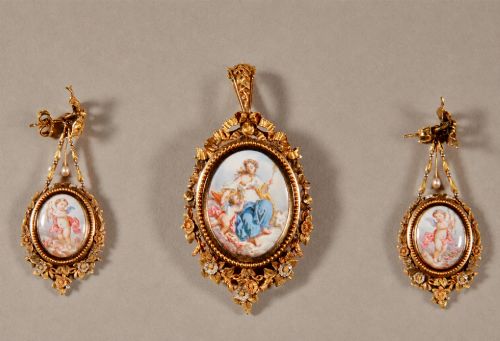
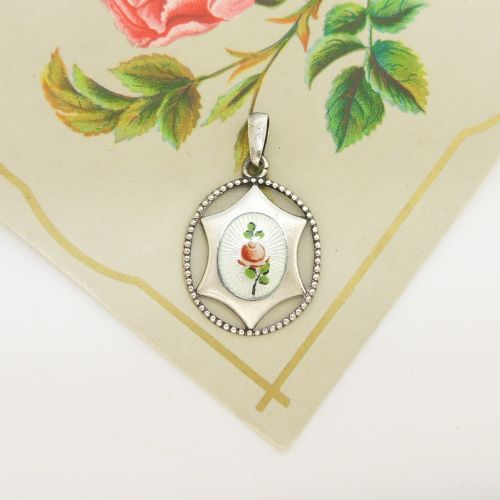
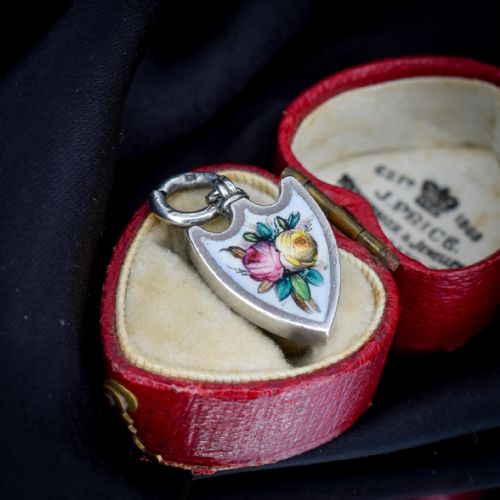
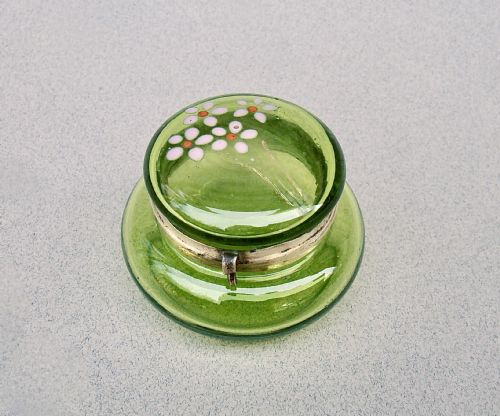
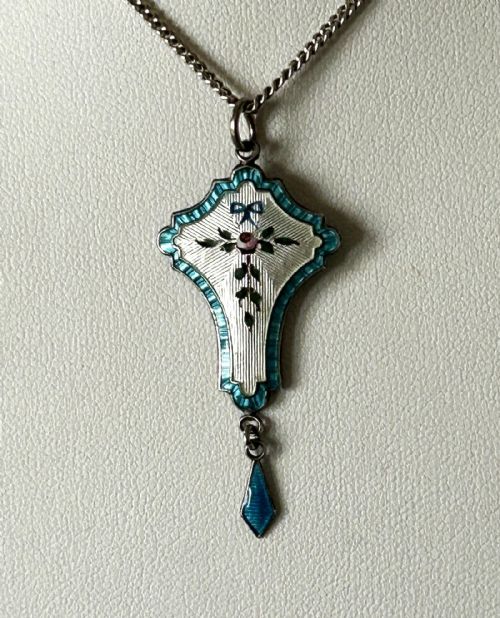
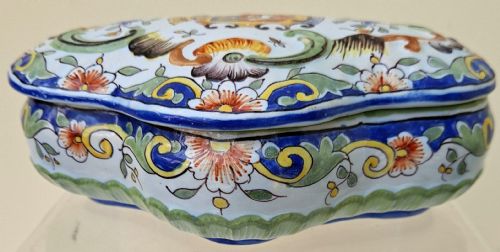
Painted floral jewellery encompasses miniature botanical artwork set into pendants, charms, brooches, and decorative boxes designed to hold small treasures.
Buyers seeking painted floral jewellery will encounter items spanning the Regency period through the Edwardian era, featuring porcelain, enamel, glass, and lacquer.
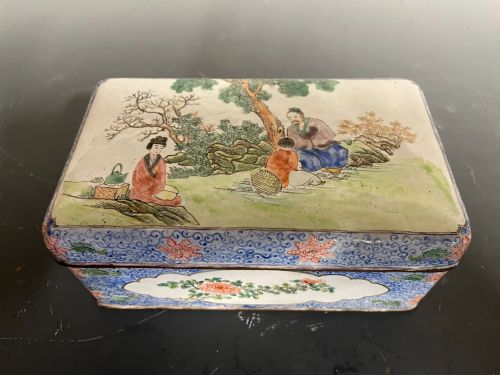
The category bridges personal adornment and household display, incorporating jewellery caskets, pendant necklaces, and tabletop cases with floral painted decoration.
How painted floral jewellery was made
Makers applied floral motifs onto porcelain, enamel, and glass surfaces, frequently enclosing delicate miniature paintings beneath protective crystal domes or within metal frames.
Enamelling and ceramic painting techniques required skilled handwork to fuse pigments onto metal bases or pottery bodies before mounting them in silver, gold, or ormolu.
Painted Floral Jewellery Retail Price Guide 2026
Typical asking prices for painted floral jewellery among the pieces listed under this phrase on Sellingantiques today, from the lower quarter to the upper quarter. They describe what is for sale here now, not the wider market.
Some floral boxes served as secret desks for keeping love letters hidden beneath dainty painted roses.
What varies in quality
The fineness of the botanical brushwork and the precision of the miniature detail separate standard decorative items from superior artistic examples.
The choice of housing materials, such as solid silver, gold, or ormolu mounts paired with porcelain or crystal, determines the sophistication of the finished piece.
Charles Horner·Sevres
The Painted Floral Jewellery Glossary
- Parure
- A matched set of jewellery intended to be worn together, often comprising a necklace, earrings, and brooches.
- Enamel
- A glassy substance fused to metal through firing to provide a smooth, coloured surface for painted decoration.
- Ormolu
- Gilt bronze mounted onto decorative objects, boxes, and caskets during the eighteenth and nineteenth centuries.
- Bijouterie
- Small decorative items and trinkets, including jewellery boxes and tabletop display cases designed for precious wares.
Painted Floral Jewellery: Frequently Asked Questions
What periods do these pieces come from?
These decorative items and ornaments date from the Regency period through the Victorian and Edwardian eras.
Craftsmen produced these painted floral pieces across the nineteenth and early twentieth centuries using traditional materials.
How should I clean painted enamel pieces?
Enamel and porcelain miniatures require gentle care to protect the delicate surface painted decoration.
Avoid harsh chemical dips and abrasive cloths, using only a soft dry or slightly damp cloth for dusting.
Were these items worn or displayed?
The category includes both wearable items like pendants and brooches alongside tabletop boxes and caskets.
While jewellery was worn on the person, boxes and bijouterie tables were kept in the home to store keepsakes.
What materials were used for the paintings?
Floral designs appear painted on porcelain plaques, glass surfaces, enamel grounds, and lacquer work.
Artists utilised fine mineral pigments fired onto ceramics or sealed beneath protective crystal and glass coverings.