



Painted Floral Coffee Cup
A painted floral coffee cup brings vibrant hand-painted botanical art straight to your morning table.
Painted Floral Coffee Cup
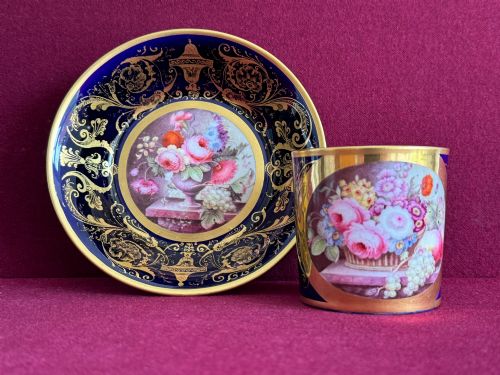
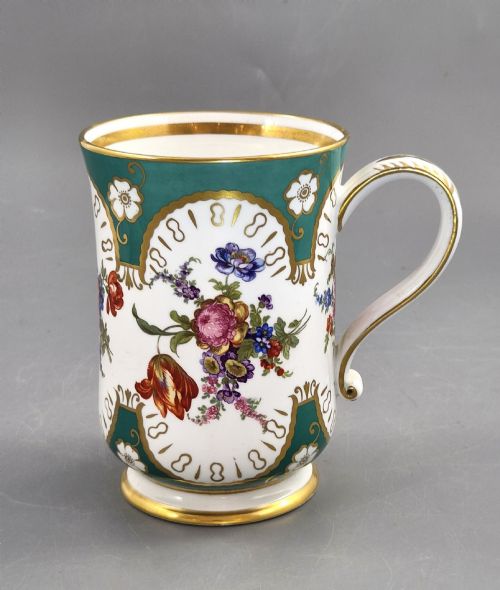
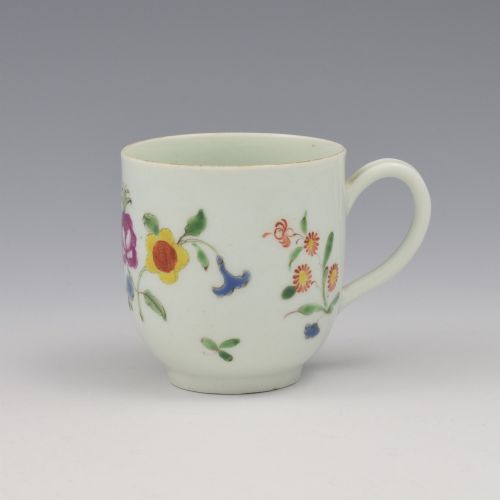
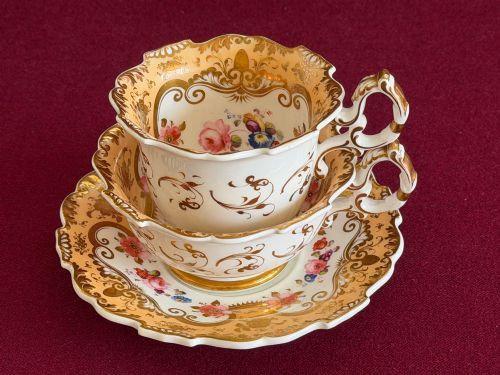
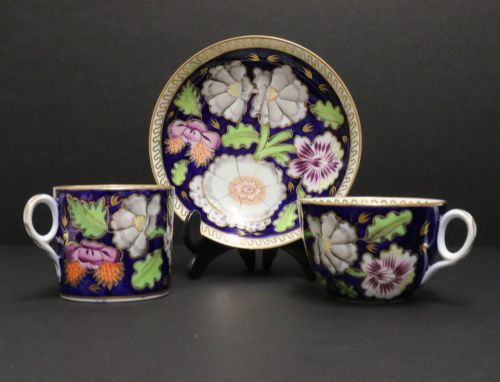
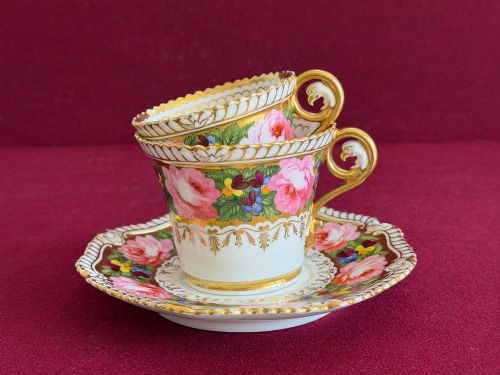
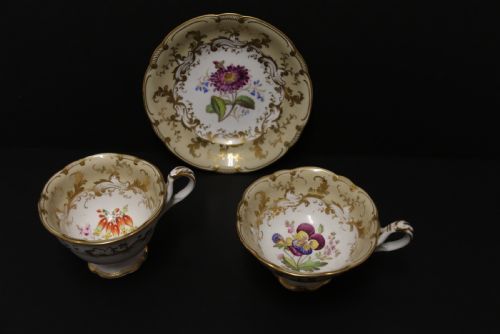
A painted floral coffee cup represents delicate ceramic artistry designed for morning service across the eighteenth, nineteenth, and early twentieth centuries. These vessels appear in forms ranging from simple coffee cans and cabinet mugs to elaborate trios complete with matching saucers.
The pieces on this page span several distinct periods including the Georgian era, the Regency period, and later Victorian and Edwardian revivals. English factories such as Worcester, Minton, and Daniel feature heavily alongside continental works from Meissen, Old Paris, and Dresden.
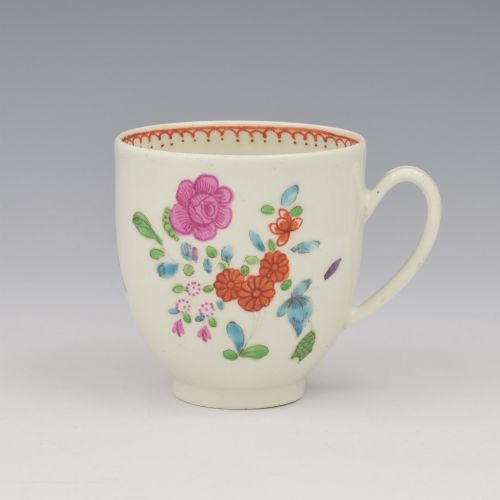
Collectors encounter both soft-paste and hard-paste porcelain vessels displaying botanical motifs rendered in polychrome enamels. Many examples are accompanied by their original saucers or form part of larger breakfast and tea trios.
Materials and manufacture
Potters shaped these vessels using fine soft-paste or hard-paste porcelain before applying detailed hand-painted botanical decoration. Skilled artisans utilised polychrome enamels to create lifelike floral sprays directly onto the glazed ceramic surface.
Many of these cups incorporate lavish embellishments including gold leaf, gold gilt, and gold gilding along the rims and handles. Firing techniques varied across factories from early Liverpool and Worcester works to later continental kilns in Meissen and Germany.
Painted Floral Coffee Cup Retail Price Guide 2026
Typical asking prices for painted floral coffee cup among the pieces listed under this phrase on Sellingantiques today, from the lower quarter to the upper quarter. They describe what is for sale here now, not the wider market.
Early porcelain decorators occasionally painted botanical specimens directly from garden specimens, ensuring every single floral cup grew its own miniature greenhouse.
Assessing quality and craftsmanship
The refinement of the porcelain body and the precision of the hand-painted botanical artwork distinguish finer examples from standard commercial production. Earlier eighteenth-century pieces often display delicate potting and intricate polychrome brushwork executed by named decorators.
The preservation of original gold gilding and enamel vibrancy significantly impacts the overall desirability of each vessel. Superior pieces maintain crisp detail in the floral motifs without excessive rubbing to the gilt highlights on the handles and rims.
Thomas Steel·H & R Daniel·Chamberlain Worcester·Richard Chaffers·Meissen·Hutschenreuter·Spode Copeland·Royal Worcester·KPM·Davenport
The Painted Floral Coffee Cup Glossary
- Coffee can
- A straight-sided cylindrical porcelain cup designed without a handle, popular during the Regency and Georgian periods. These vessels were specifically used for drinking strong black coffee.
- Demitasse
- A small cup used for serving espresso or Turkish coffee, typically paired with a matching saucer. The term translates literally to half cup in French.
- Soft-paste porcelain
- An artificial ceramic paste composed of clay and glass frit, fired at lower temperatures than true hard-paste porcelain. This material produced a warm translucent body common in eighteenth-century English factories.
- Trio
- A matched three-piece ceramic set consisting of a teacup or coffee cup, a saucer, and a larger matching plate for bread or cake. These sets became staples of nineteenth-century domestic hospitality.
- Polychrome
- Decoration executed in multiple distinct colours, commonly used to describe multi-hued floral hand-painting on antique porcelain. This technique allowed artists to render realistic botanical specimens.
Painted Floral Coffee Cup: Frequently Asked Questions
Can I drink coffee from these antique cups?
Most eighteenth and nineteenth-century porcelain cups are structurally sound enough for careful occasional use.
Thermal shock from boiling liquids can occasionally stress fragile old ceramics, so many collectors prefer to display them or use them exclusively for warm rather than boiling beverages.
What is the difference between a coffee can and a teacup?
Coffee cans feature straight cylindrical walls designed to retain the heat of strong black coffee.
Teacups typically possess flared bowl shapes with curved sides and integrated handles intended for lighter infusions.
How can I identify the period of a porcelain cup?
Examine the base for factory marks, pattern numbers, or handwritten signatures left by the original decorator.
Stylistic cues such as Regency shapes or Rococo Revival motifs also provide reliable indicators of manufacturing date.