




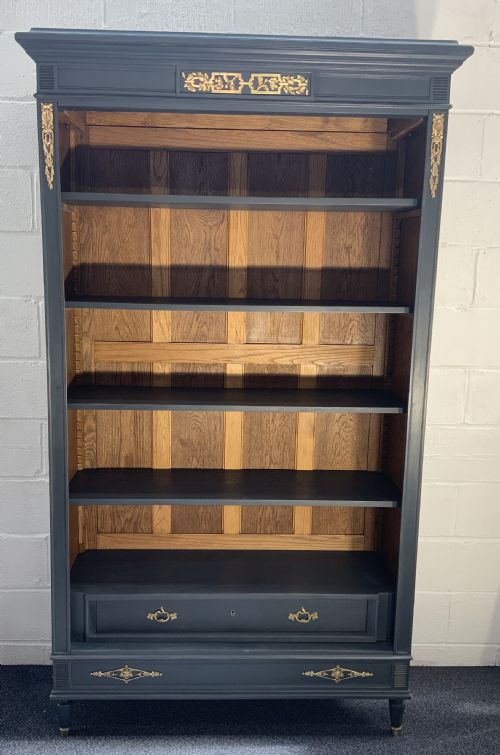


Painted Display Unit
A painted display unit brings character and colour to a room, offering practical storage for books and ornaments.
Painted Display Unit
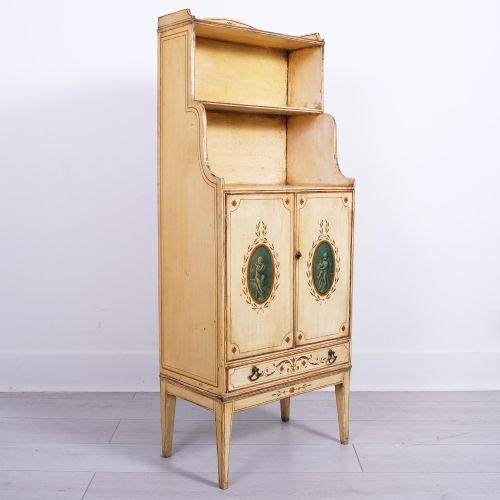
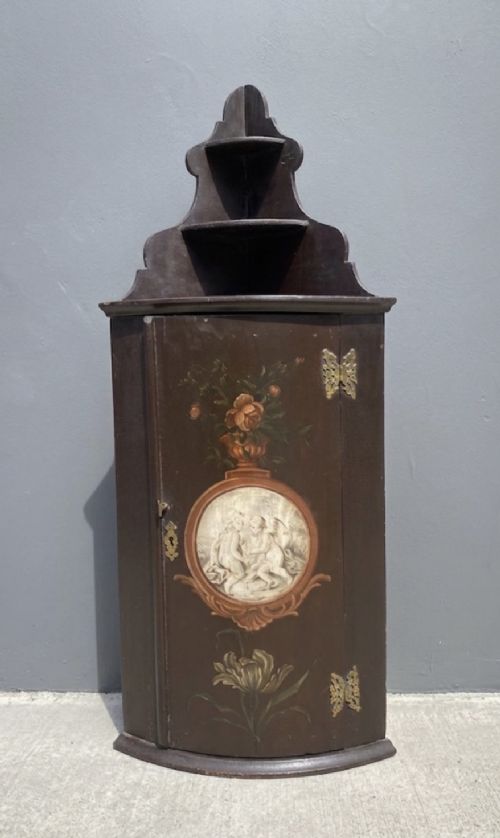
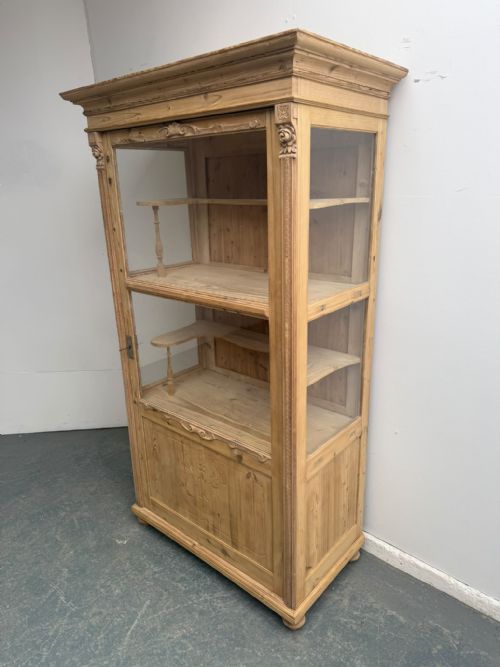
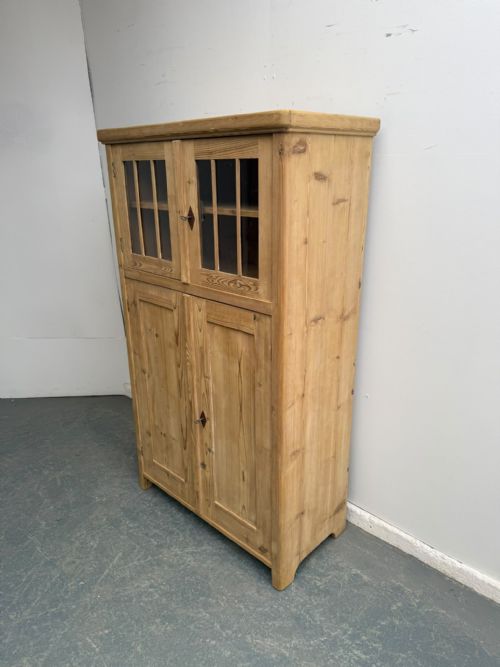
A painted display unit gathers together items designed to show and store objects, drawing chiefly from 18th century, Victorian, and early 20th century periods. When searching for a painted display unit, buyers encounter formats ranging from tall bookcases and glazed storage cabinets to corner cupboards, kitchen dressers, and wall shelves.
The surviving pieces demonstrate origins across English, French, Hungarian, and Swedish workshops, often utilising pine as a primary timber. Formats vary from floor standing open bookshelves and breakfront designs to multi-drawer shop fittings and compact wall-mounted shelving.
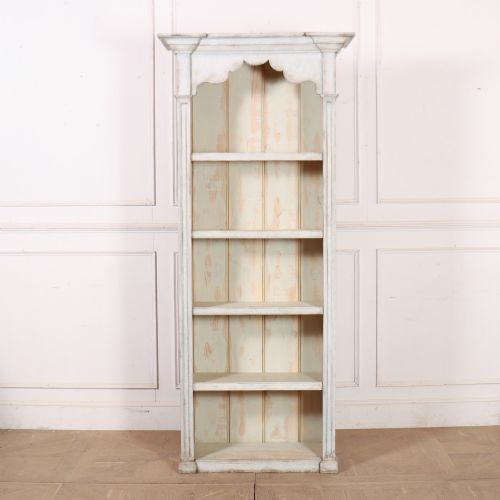
The selection on this page focuses heavily on pieces finished in paint, whether through original decorative schemes, simulated grain, or later coloured coatings such as Railings and Pompeian Ash. These items function equally well for displaying collections or housing everyday household items in sitting rooms and kitchens.
How they were made
Makers constructed these carcasses predominantly from solid pine and mahogany, applying layers of paint, cream and parcel gilt, or ebonisation directly to the wood. Glazed doors incorporate glass panels, while structural joints frequently rely on brass embellishments and hardware.
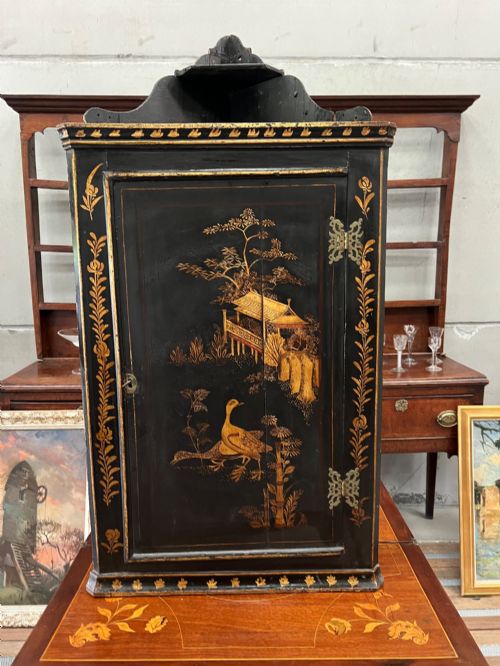
Surface treatments vary widely, featuring hand-painted decorative motifs, Chinoiserie details, Vernis Martin finishes, and simulated paint effects on earlier carcases. Workshops also produced shop fittings and two-part cupboards designed to hold heavy loads of books and wares.
Painted Display Unit Retail Price Guide 2026
Typical asking prices for painted display unit among the pieces listed under this phrase on Sellingantiques today, from the lower quarter to the upper quarter. They describe what is for sale here now, not the wider market.
Listings span the 18th, 19th, and early 20th centuries, featuring pine and mahogany constructed across English, French, Swedish, and Hungarian traditions.
What varies in quality
The distinction between tiers rests upon the integrity of the original painted surface and the precision of the cabinetwork. Pieces retaining their earliest pigmented layers or specific historic colour formulations carry greater distinction than later repainted surfaces.
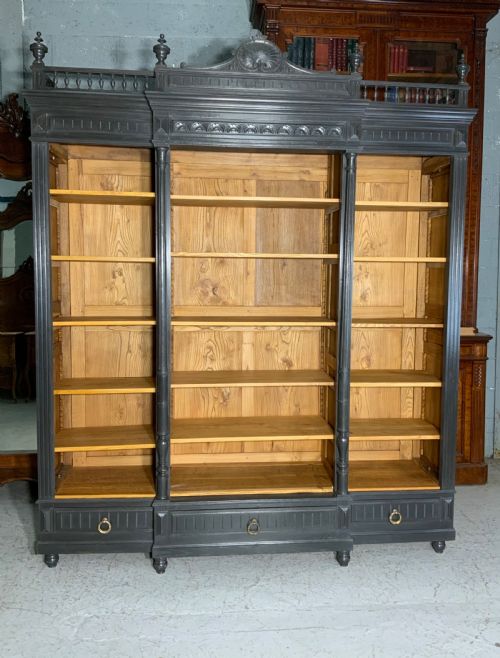
Construction details such as multi-drawer joinery in shop fittings, balanced proportions in breakfront bookcases, and fine brass mountings elevate certain examples above standard utility cupboards.
The Painted Display Unit Glossary
- Breakfront
- A cabinet design where the central section projects forward from the flanking wings. This configuration creates architectural depth on large bookcases and storage units.
- Vitrine
- A glass-fronted display cabinet intended for showcasing fine objects or porcelain. These freestanding or wall-mounted pieces often feature detailed painted woodwork.
- Whatnot
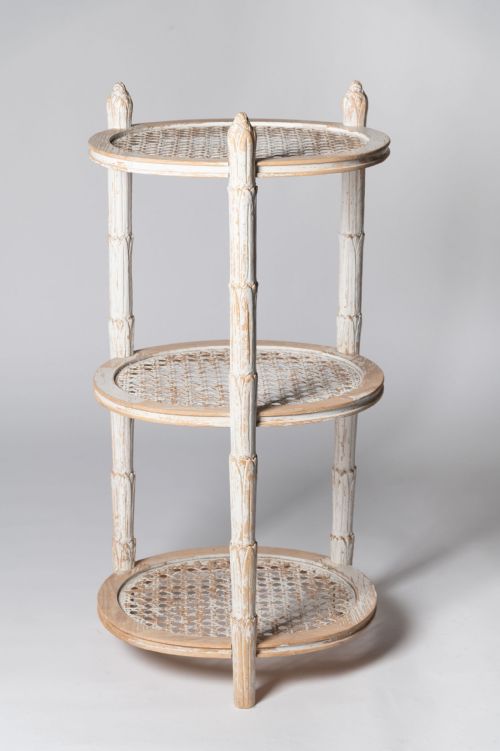
- An open set of freestanding shelves with multiple tiers supported by slender uprights. They originated in the early 19th century for displaying small ornaments.
- Ebonisation
- A chemical or pigment treatment applied to timber to imitate true ebony. The process darkens the wood grain to a deep black finish.
Painted Display Unit: Frequently Asked Questions
What is a painted display unit used for?
These units provide open or enclosed shelving for books, ceramics, and decorative objects in living spaces and kitchens. Glazed doors and wall-mounted brackets protect delicate items while keeping them visible.
They also serve as functional storage furniture in hallways and dining rooms, bringing historic character and painted colour to domestic interiors.
How do I identify a Victorian display cabinet?
Victorian examples often feature sturdy pine construction, glazed four-door configurations, and heavy bracket or plinth bases. They frequently appear with dark ebonised finishes or later painted surfaces.
Shop fittings and larger storage cabinets from this era display practical proportions designed for heavy commercial or domestic use.
Are painted finishes on these units original?
Surfaces range from original period paint and early colour formulations to later decorative coatings applied during restoration. Evidence of wear, craquelure, and underlying wood grain helps determine the age of the finish.
Some pieces retain simulated paint effects or gilt highlights applied by period decorators to mimic more costly exotic timbers.
Where were corner cupboards placed?
Corner cupboards fit directly into room angles to utilise awkward wall space efficiently. They were commonly built into Georgian and Victorian dining rooms or parlours.
The upper sections typically feature shaped shelves for displaying glassware, while lower enclosed cupboards conceal everyday storage.