



Painted Display Case
A painted display case frames collections with colour and glass, bringing 18th-century French vitrines and Victorian pine cabinets into modern rooms.
Painted Display Case
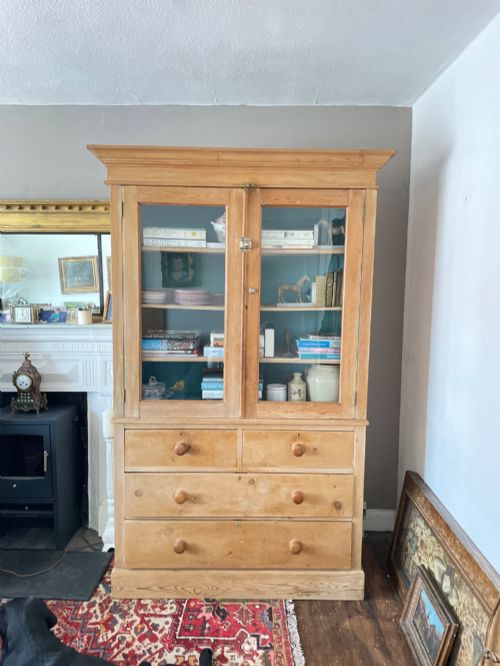
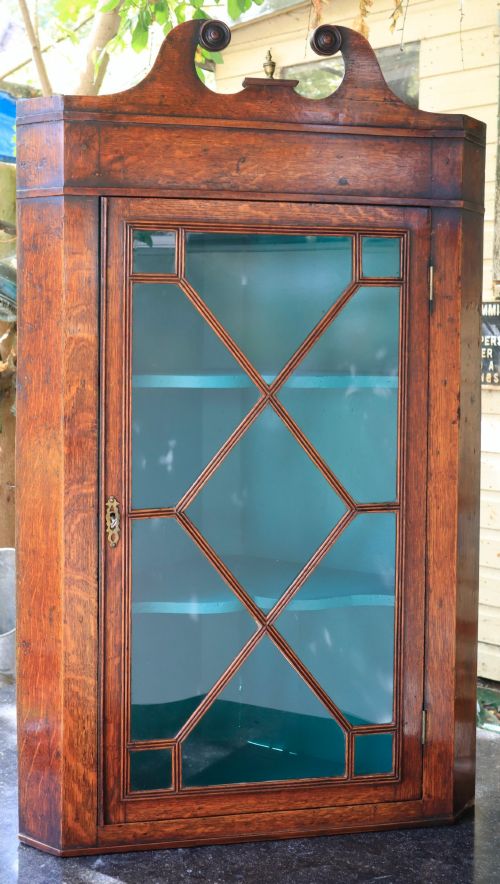
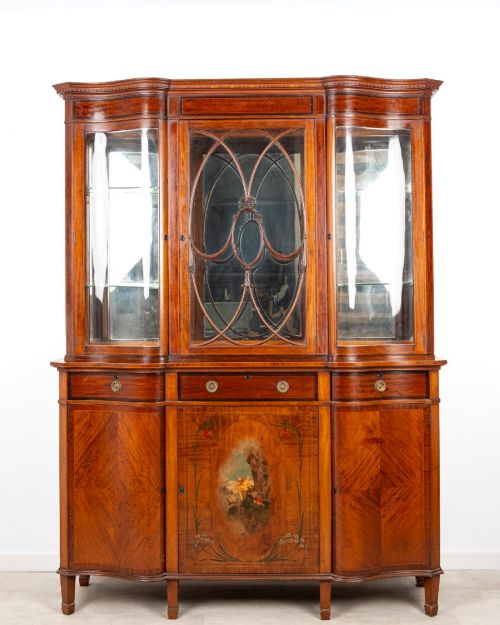
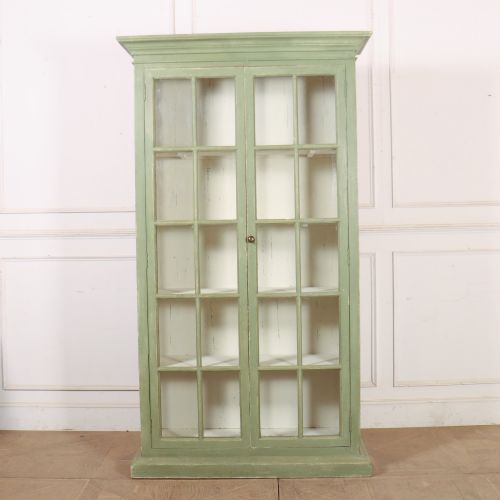
A painted display case encompasses French vitrines, Georgian bookcases, and Victorian pine cabinets designed to hold decorative objects, books, and curiosities. These pieces range from upright floor-standing corner cupboards to countertop cases and wall-hanging vitreens.
The selections span the 18th, 19th, and early 20th centuries, with strong representation from Victorian and Edwardian makers. French Rococo and Louis XV revival styles appear frequently alongside English country pine furniture.
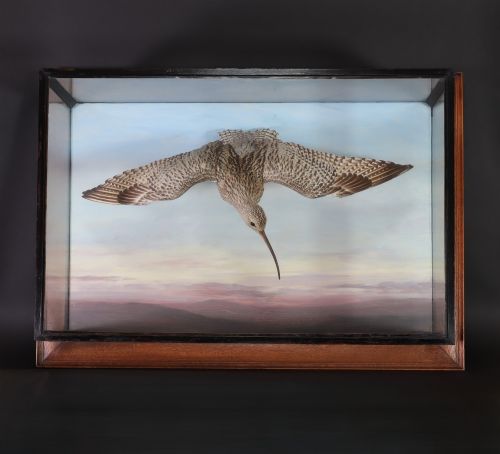
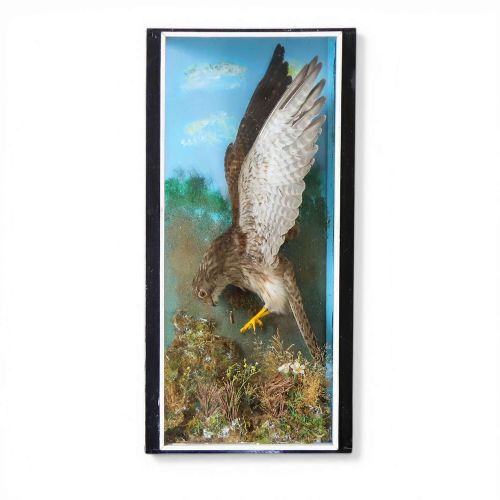
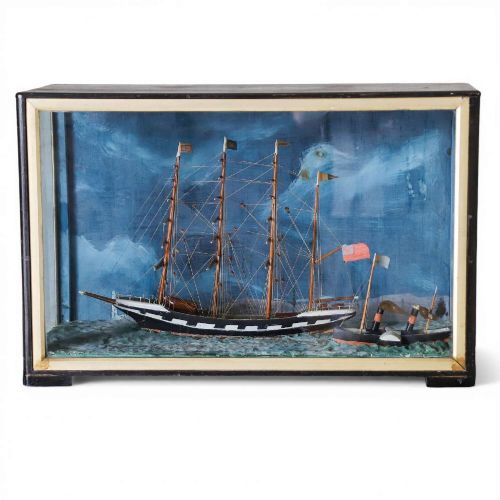
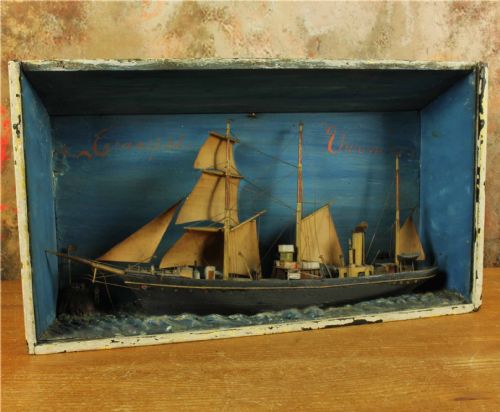
Maritime folk art dioramas and taxidermy specimens also occupy specialised cased enclosures, combining painted backgrounds with wooden frames to protect fragile scenes.
Materials and Construction
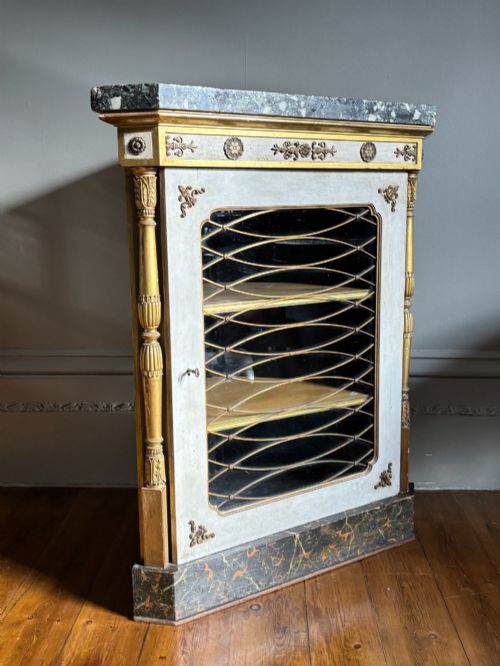
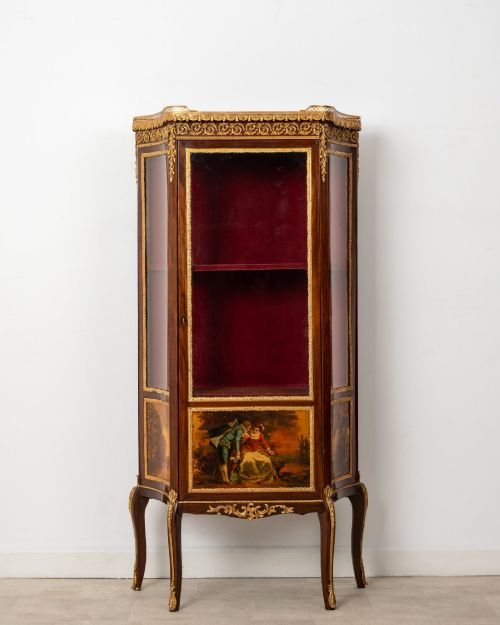
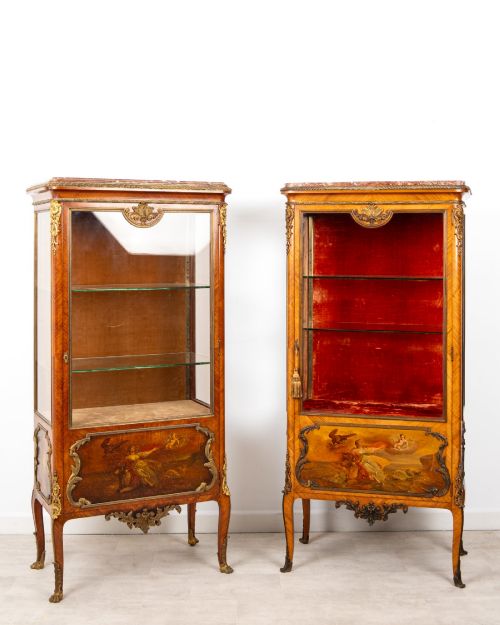
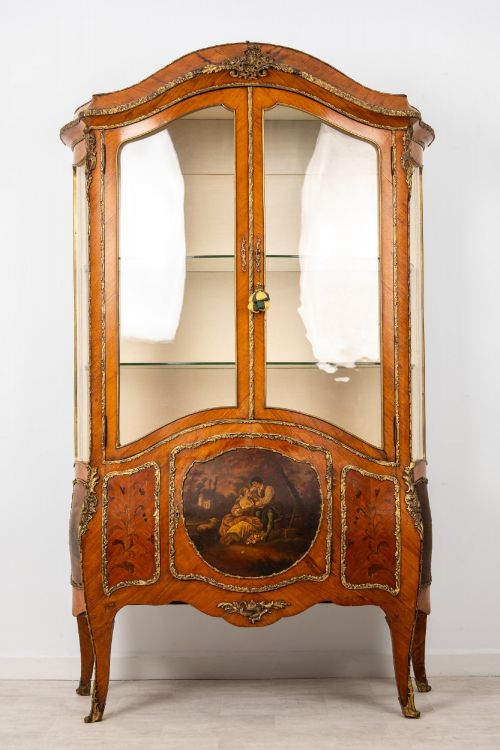
Cabinet makers utilised solid woods like pine and mahogany alongside structural frameworks veneered in kingwood. Painted finishes, sometimes applied over gesso or combined with Vernis Martin panels, provide surface decoration ranging from distressed paint to elaborate pastoral scenes.
Glass panels are glazed into doors and sides to illuminate interior shelves. Ormolu mounts and gilt bronze details enrich French vitrines, while marble tops frequently finish the upper surfaces of grander cabinets.
Painted Display Case Retail Price Guide 2026
Typical asking prices for painted display case among the pieces listed under this phrase on Sellingantiques today, from the lower quarter to the upper quarter. They describe what is for sale here now, not the wider market.
Listings feature pine, mahogany, and kingwood cabinets finished with paint, marble tops, and ormolu mounts across the 19th and early 20th centuries.
Design and Execution
The standard of a painted display case rests on the integration of its decorative elements and the crispness of its joinery. Superior examples combine hand-painted panels with refined cast ormolu mounts and properly fitted concave glass.
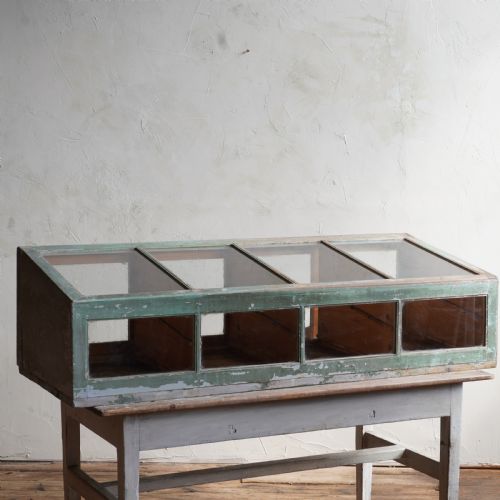
Simpler pine pieces rely on the character of their painted interior surfaces and the proportion of their glazing bars to establish visual presence in a room.
François Linke
The Painted Display Case Glossary
- Vitrine
- A glass-fronted display cabinet intended for the exhibition of fine ceramics, figures, or curiosities. These freestanding pieces often feature glazed sides to maximise light penetration.
- Vernis Martin
- A simulated Japanese lacquer technique developed by the Martin brothers in 18th-century France. The finish involves multiple layers of varnish applied over painted pastoral or mythological scenes.
- Ormolu
- Gilded bronze used for decorative mounts on furniture and clocks during the 18th and 19th centuries. The alloy is cast and hand-chased before receiving a gold amalgam coating.
- Diorama
- A three-dimensional scene enclosed within a case, often depicting sailing ships on painted backdrops or taxidermy specimens in natural habitats. The enclosing box protects the detailed interior composition from dust.
Painted Display Case: Frequently Asked Questions
How do I clean the painted finish?
Dust surfaces gently with a dry, soft microfibre cloth to protect the underlying paint layers.
Avoid liquid cleaners and harsh chemicals that can soften or lift historic painted finishes.
Where should I place a vitrine?
Position cabinets away from direct sunlight to prevent fading on painted panels and interior items.
Place them against stable interior walls where temperature fluctuations remain minimal.
Can shelves be adjusted inside?
Many period cabinets feature fixed wooden supports or traditional plate grooves rather than modern adjustable tracks.
Check the internal configuration to ensure your specific collection fits the available shelf height.