

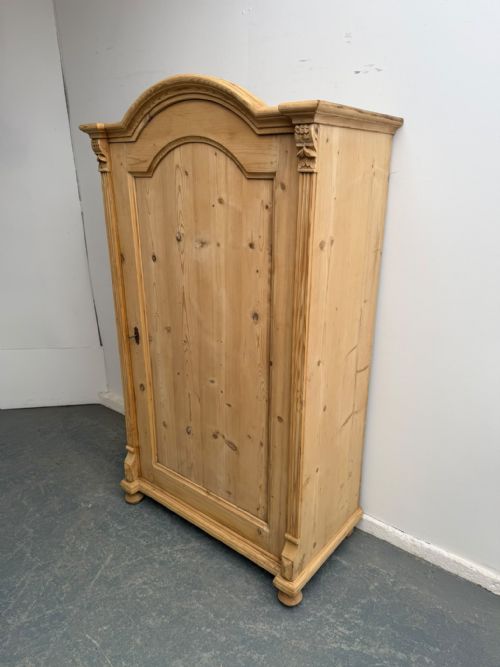
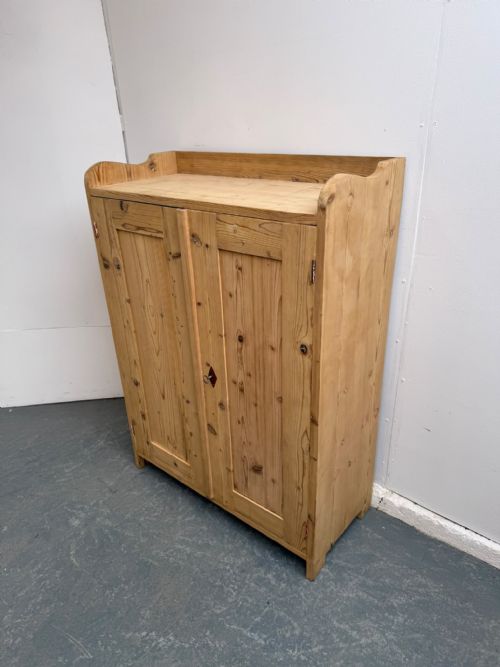
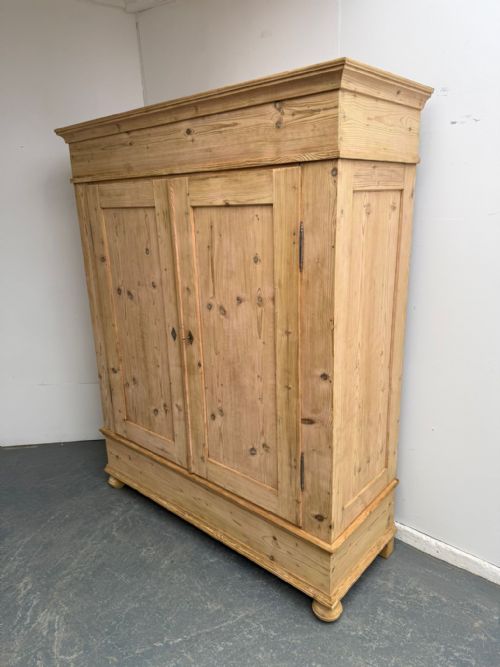
Painted Country Housekeeper Press
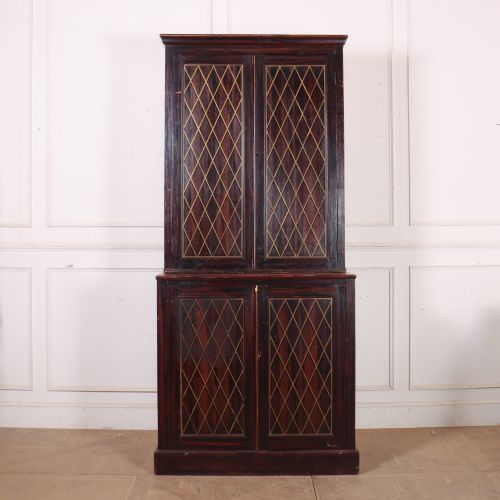
A painted country housekeeper press brings honest, utilitarian storage into a room through generous proportions and worn historic surfaces.
Painted Country Housekeeper Press
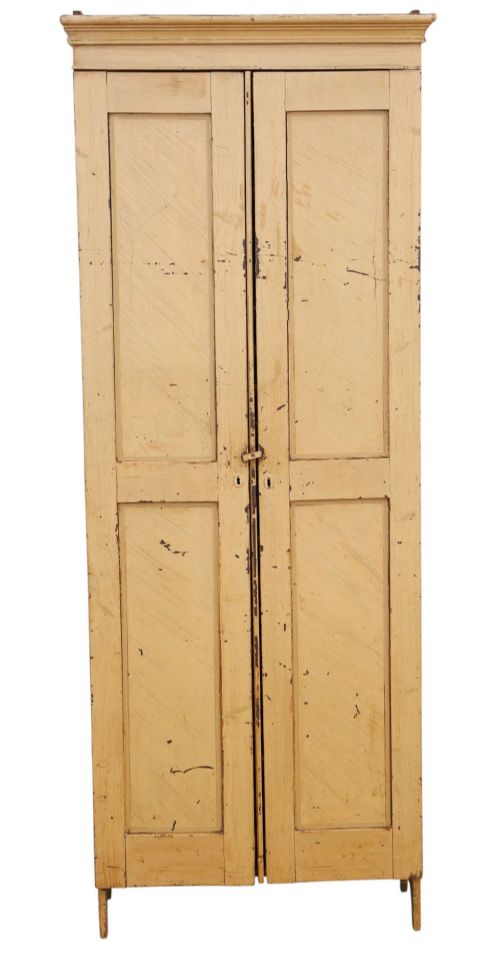
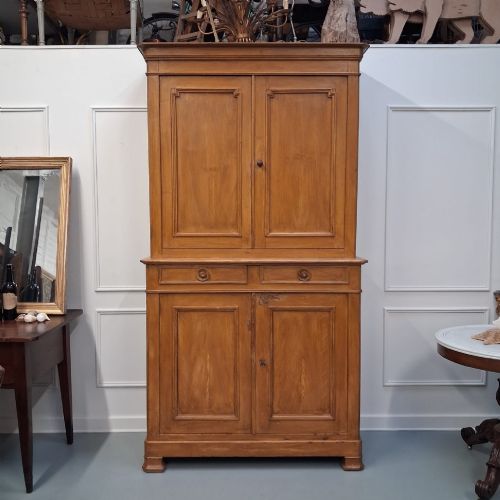
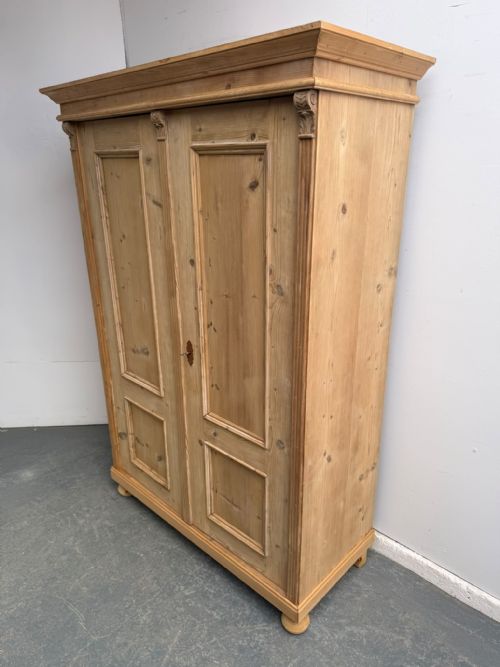
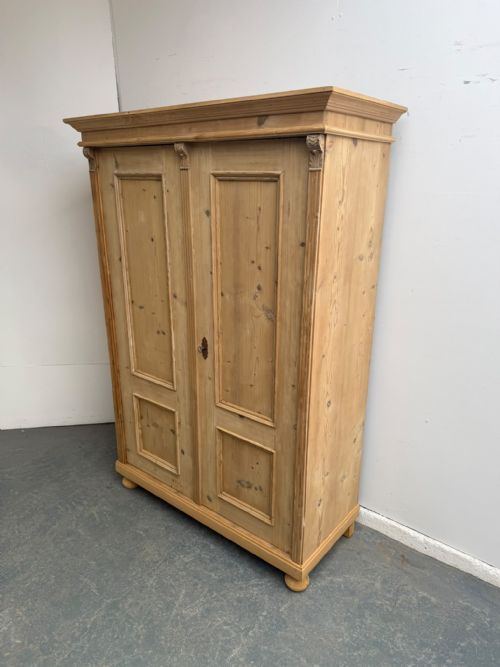
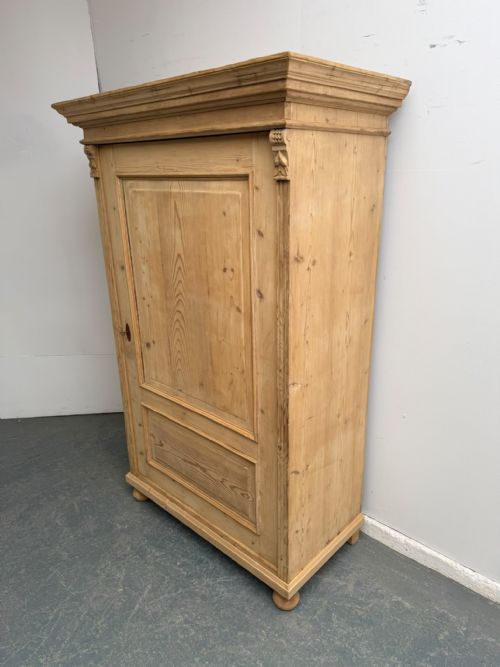
A painted country housekeeper press offers substantial storage through tall cupboards and deep shelved compartments designed for household provisions, linen, and kitchen supplies. You are looking at a lineage of sturdy domestic furniture spanning centuries, built for hardworking rural and provincial households.
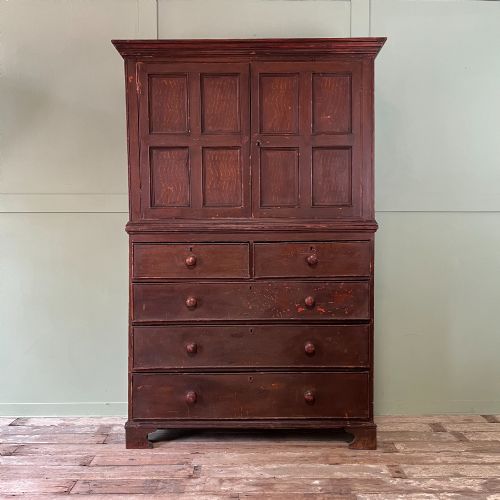
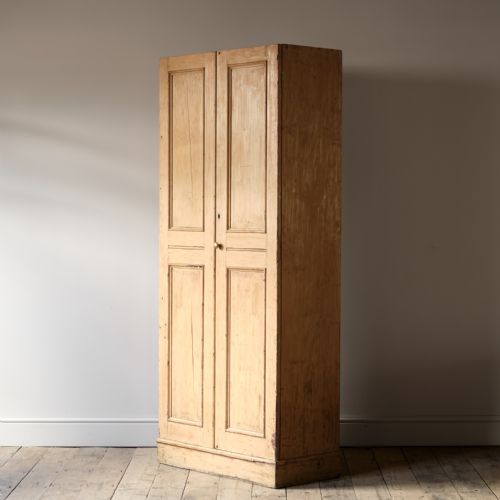
The most common version you will meet on this page is the 19th century or Victorian pine press, often retaining its original or later painted surface. These pieces range from narrow kitchen larders to wide, multi-door storage cupboards originating from English, Welsh, Irish, and continental workshops.
Regional variations appear across the listings, showing distinct proportions and carpentry methods from West Country, Yorkshire, Spanish Basque, French, and Swedish traditions. Each piece reflects the specific domestic storage needs of its geographic origin, whether configured with hanging space, fixed shelving, or lower drawer sections.
Materials and Construction
Carpenters built these presses primarily using solid pine, constructing robust carcases with pegged joints, beaded panelling, and fielded doors designed to withstand heavy daily use. Iron and brass hardware, including strap hinges and latches, secured the large doors while providing utilitarian strength.
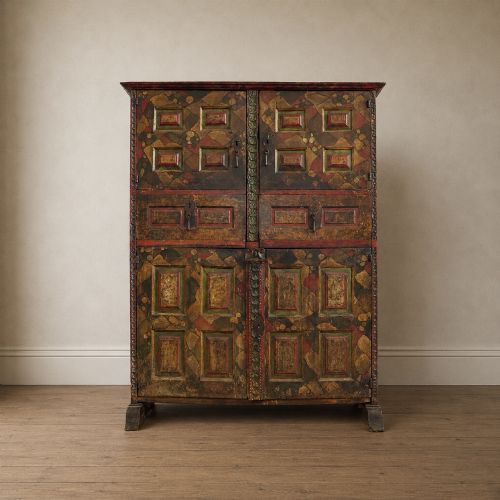
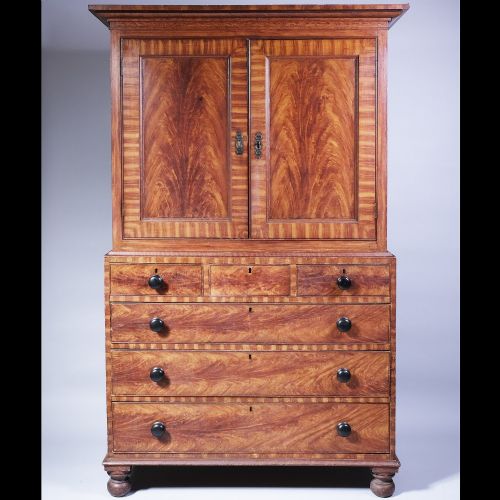
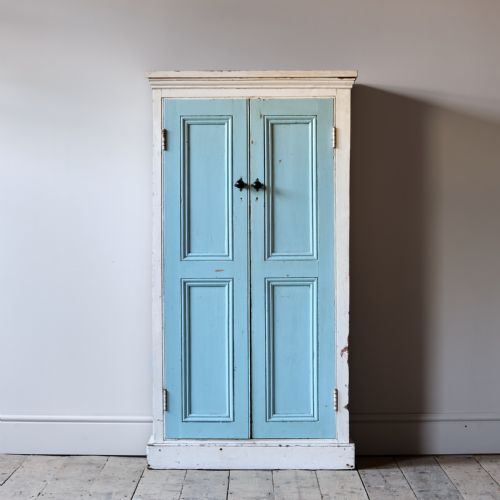
Surfaces received layers of lead-based or oil-based paint, sometimes applied as scumble glaze to mimic finer timbers or left in flat historical colours such as cream, green, and polychrome. Over generations, this paint accumulated characteristic wear, chips, and patination that define the exterior appearance of each press today.
One 17th-century Spanish Basque example preserves polychrome paint that has survived over three centuries of domestic life.
Evaluating Quality and Character
Quality rests in the integrity of the original timber frame and the survival of untouched historic paint surfaces rather than smooth, factory-finished perfection. Pieces retaining their earliest layers of pigment carry greater historical depth than those stripped or repainted in modern emulsions.
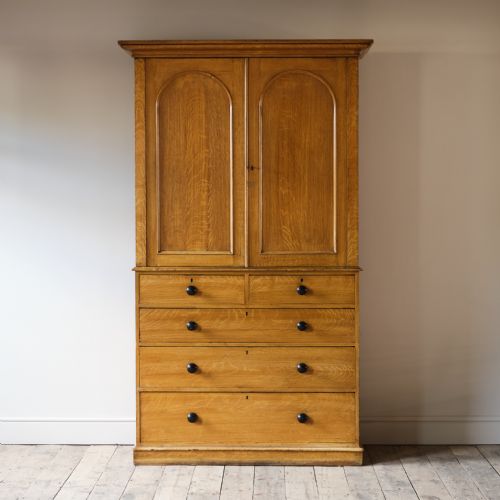
Proportion and internal arrangement separate standard utility cupboards from finer regional examples, such as those featuring arched doors, fitted linen shelves, or multi-drawer bases. The harmony between the substantial carcase and the surviving hardware determines the overall presence of the piece.
The Painted Country Housekeeper Press Glossary
- Housekeeper's Cupboard
- A large storage cabinet traditionally used in grand houses or farmhouses for storing linens, dry goods, and household provisions. These units typically combine upper shelving with lower drawers or deeper cupboard space.
- Linen Press
- A tall piece of furniture designed specifically to store folded bedding and textiles, often featuring sliding trays or deep shelves behind large double doors. Many examples were later adapted for general wardrobe or pantry use.
- Scumble Painted
- A decorative surface technique where a translucent top layer of glaze is manipulated with combs or brushes over a lighter base colour to simulate the grain of more expensive hardwoods. This finish was widely utilised on utilitarian pine furniture.
- Fielded
- A panel detail where the outer edges are bevelled down toward a raised central flat area, giving depth and rigidity to cabinet doors. This traditional joinery method accommodates seasonal wood movement without splitting.
- Polychrome
- Painted in multiple distinct colours, frequently seen on continental European folk furniture to highlight carved details and mouldings. It provides a vibrant contrast to simpler British painted pine surfaces.
Painted Country Housekeeper Press: Frequently Asked Questions
What did they store inside?
Housekeepers used these large cupboards to keep household linens, blankets, dry food stores, and tableware organised and protected from dust in busy domestic settings.
The deep shelves and tall compartments accommodated bulky items that standard household furniture could not hold.
How do I date an old press?
Dating relies on examining the construction methods, such as hand-cut nails, peg joinery, backboard thickness, and the type of hinges used on the doors.
Paint analysis also helps, as original lead-based pigments and early scumble glazes differ significantly from modern synthetic coatings.
Are original painted finishes fragile?
Historic paint surfaces on pine furniture are often dry and chalky, meaning they can flake if scrubbed with modern chemical cleaning agents or abrasive pads.
Gentle dusting with a dry cloth preserves the fragile historic patination and prevents damage to the underlying wood.
Will a tall press fit my room?
These pieces were built for high-ceilinged country kitchens and utility rooms, often standing well over six feet tall with considerable depth.
Checking both ceiling clearance and stairway access is essential before bringing one of these large cupboards into a modern home.