



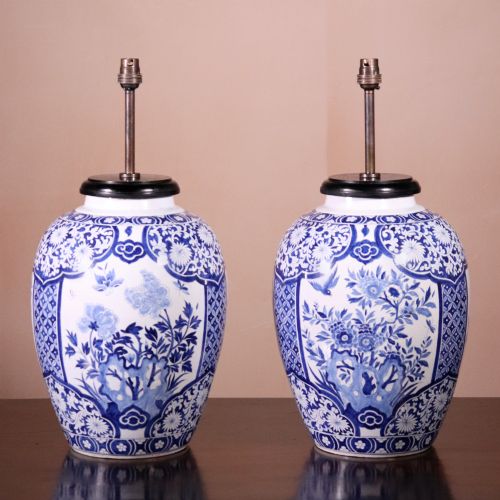


Painted Ceramic Lamp
A painted ceramic lamp brings hand-finished colour and converted historic pottery into a room, offering warm illumination alongside centuries of global design.
Painted Ceramic Lamp
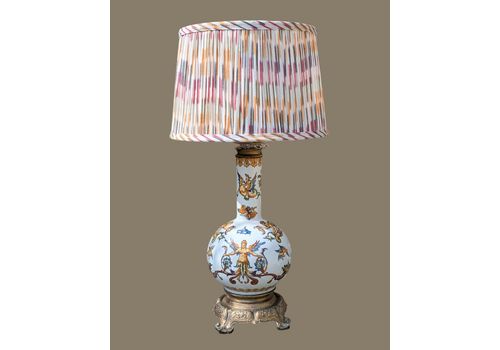
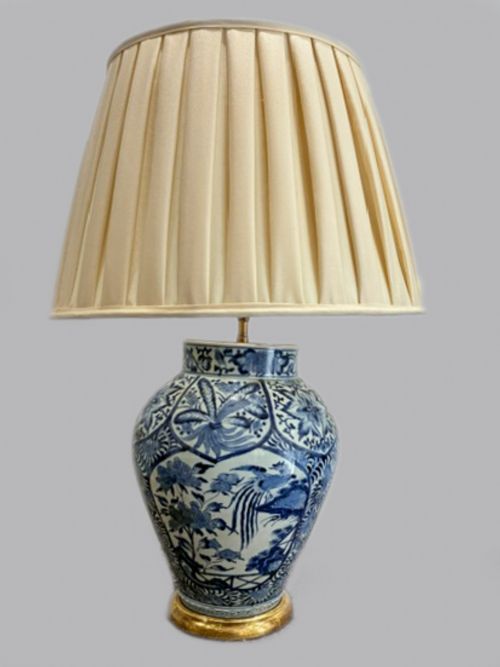
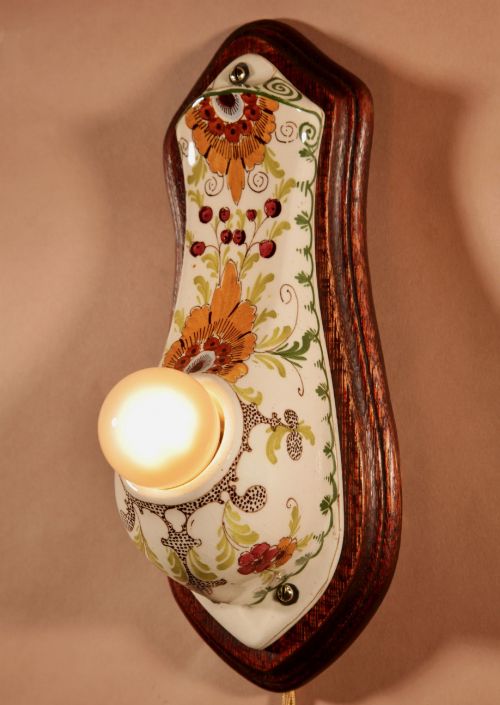
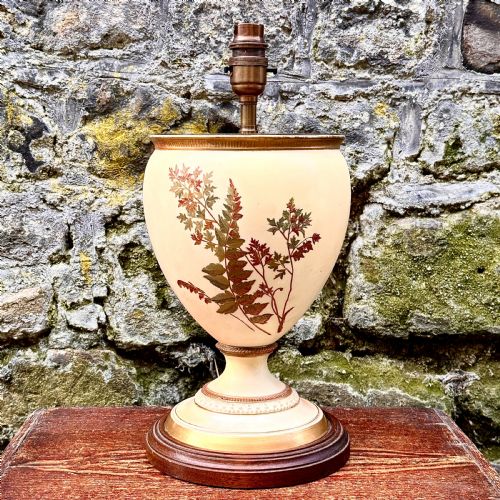
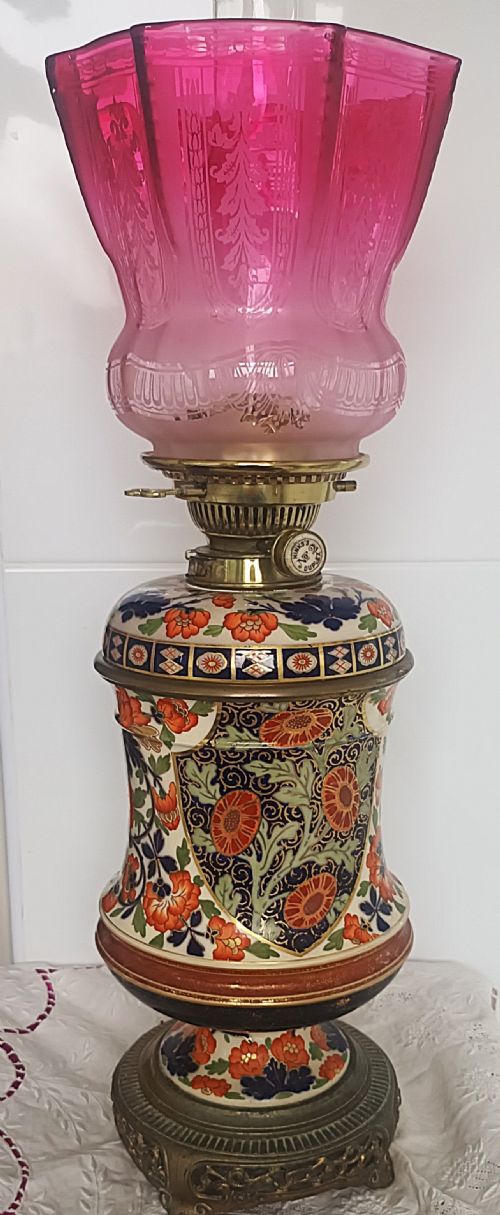
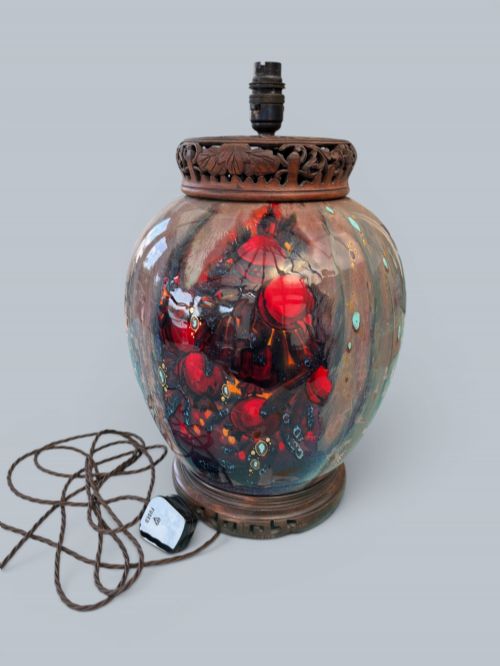
A painted ceramic lamp brings historic vessels into domestic interiors, frequently taking the form of converted vases, ginger jars, and oil lamps. When searching for a painted ceramic lamp, buyers encounter pieces spanning from the seventeenth century through to the early twentieth century, with nineteenth-century examples appearing most often.
The origins of these vessels stretch across British, European, and Asian traditions, including Chinese porcelain, Japanese Satsuma and Kutani wares, Dutch Delft, and English earthenware. Makers frequently repurposed antique jars and vases by mounting them with electrical fittings or oil burners.
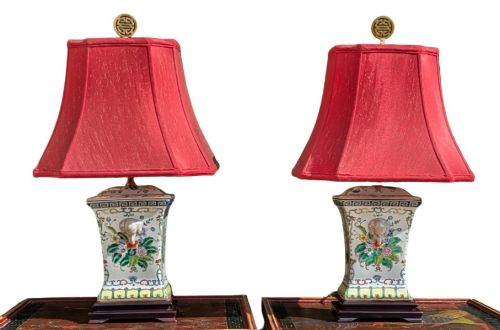
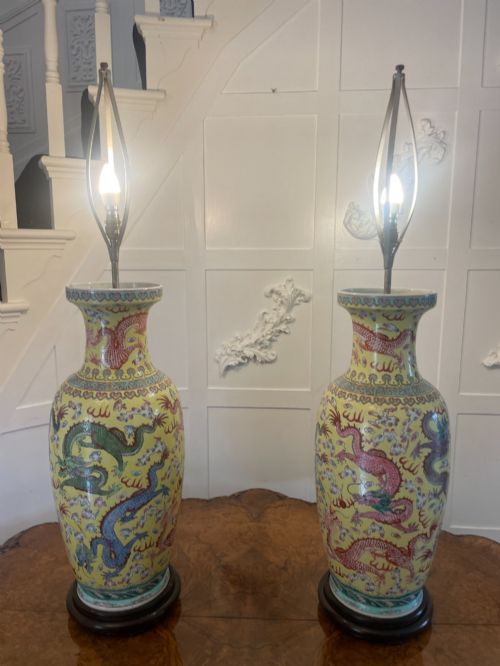
Table lamps dominate the selection, accompanied by occasional night lights and chandeliers. Many pieces survive in pairs, particularly those fashioned from Chinese export porcelain and Japanese export pottery.
How they were made
Potters shaped clay into vases, jars, and oil lamp bases before applying hand-painted pigments and glazes, ranging from blue and white designs to polychrome famille rose and Satsuma enamel. Earthenware, porcelain, and majolica bodies provided the structural canvas for these decorative schemes.
Metal components in brass, bronze, and gilt toleware often accompany the ceramic bodies, forming mounts, burners, and structural stems. Fabric and silk shades frequently complete the assembly, though many historic bases survive alongside later electrical wiring and conversions.
Painted Ceramic Lamp Retail Price Guide 2026
Typical asking prices for painted ceramic lamp among the pieces listed under this phrase on Sellingantiques today, from the lower quarter to the upper quarter. They describe what is for sale here now, not the wider market.
Listings feature porcelain, earthenware, brass, and silk across periods ranging from the seventeenth to the twentieth century.
What varies in quality
The standard of hand-painting determines visual depth, separating quickly rendered decorative ware from finely detailed artistic output on porcelain and earthenware bodies. The crispness of cobalt blue underglazes or the precision of polychrome enamels indicates the skill of the original ceramic workshop.
Integration of mounts and conversion work influences the overall cohesion of the piece, as does the preservation of the original ceramic glaze. Matched pairs with uniform proportions and well-balanced brass or bronze fittings command greater attention than mismatched assemblages.
Royal Worcester·Taylor Tunnicliff·Hinks·Moorcroft·Gien
The Painted Ceramic Lamp Glossary
- Famille verte
- A palette dominated by green enamel overglaze, used extensively on Chinese porcelain during the Qing dynasty and later revival periods.
- Satsuma
- Japanese earthenware pottery featuring a crackle glaze and decorated with detailed polychrome and gilt motifs.
- Delft
- Tin-glazed earthenware originating in the Netherlands, traditionally finished with blue and white designs or polychrome colours.
- Majolica
- Heavy earthenware covered with an opaque tin glaze, known for rich coloured lead glazes and vibrant decorative impact.
- Toleware
- Painted and lacquered sheet metal, frequently utilised for decorative French chandeliers and lamp mounts.
Painted Ceramic Lamp: Frequently Asked Questions
Are these lamps converted from old vases?
Many painted ceramic lamps begin life as antique vases, ginger jars, or oil containers before receiving electrical fittings or burner mechanisms.
This conversion process preserves historic ceramic bodies while adapting them for modern domestic illumination.
How do I identify Chinese export porcelain?
Chinese export porcelain exhibits traditional motifs such as blue and white painting, famille rose, or celadon glazes intended for international markets.
These pieces frequently date from the eighteenth and nineteenth centuries and appear as jar lamps or vase lamps.
What is Japanese Satsuma ware?
Japanese Satsuma ware consists of an earthenware body covered in a characteristic creamy, finely crackled glaze.
Artisans decorate these surfaces with dense polychrome patterns and gilt work, often seen on antique table lamps.
How should I clean a ceramic lamp base?
Painted ceramic surfaces require gentle dusting with a soft, dry cloth to protect fragile overglaze enamels and historic glazes.
Moisture and harsh cleaning agents should be avoided, particularly around metal mounts and older electrical wiring.