

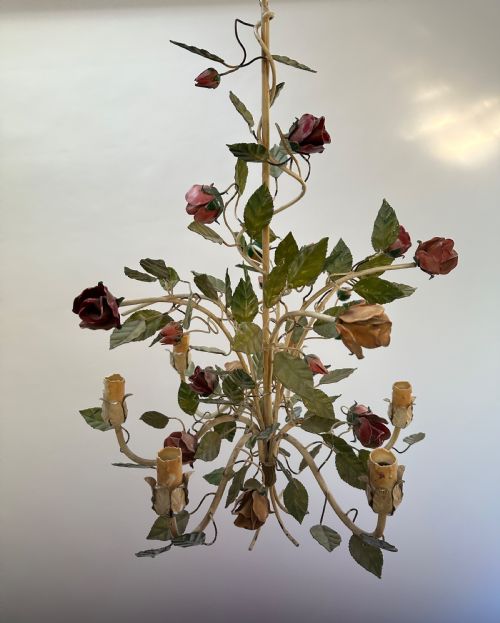


Painted Ceiling Light
A painted ceiling light brings colour and character to a room, offering a decorative focal point with historical charm.
Painted Ceiling Light
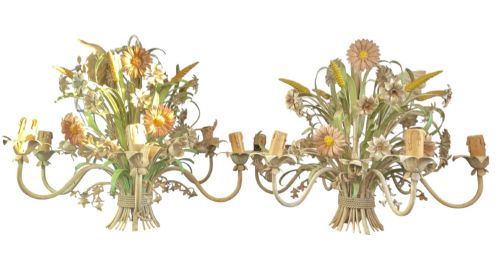
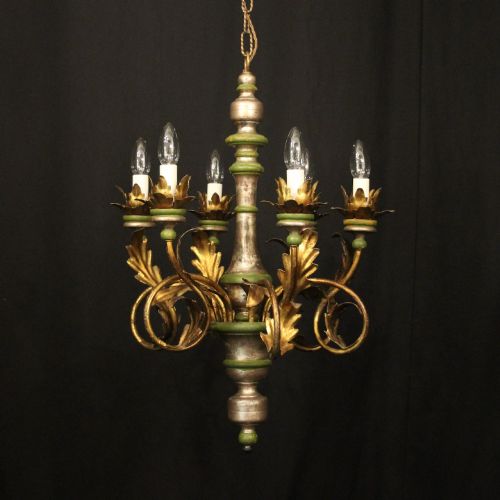
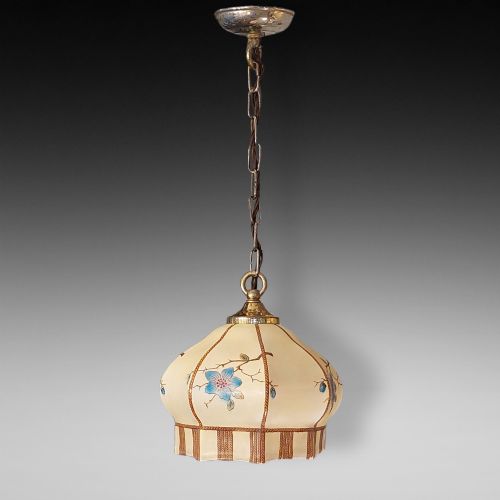
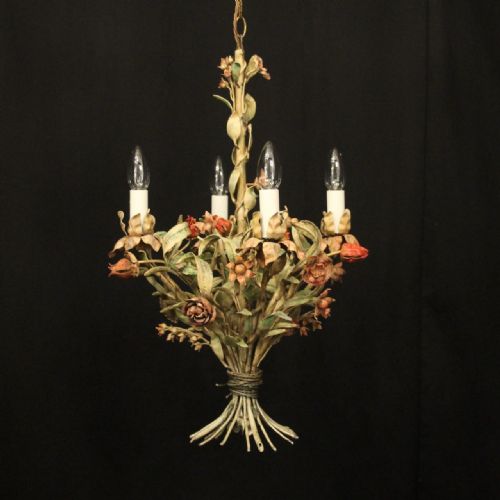
A painted ceiling light encompasses a variety of hanging fixtures, from multi-armed chandeliers to flush-mounted plafonniers and glass shades. These pieces bring illumination overhead while adding distinct artistic detail to a space.
Buyers browsing this selection will frequently encounter French and Italian examples dating from the late nineteenth century through to the 1940s. Styles range from Florentine toleware and French rococo revival to 1920s art deco.
The materials used in these fixtures shape their distinct appearance, combining painted metal, toleware, and glass with gilt accents and floral ceramic elements. Each piece reflects the decorative tastes of its specific period, whether Edwardian or interwar.
How they were made
These fixtures rely on traditional metalworking techniques, utilising iron, brass, and gilt metal to form the structural frames and branching arms. Artisans shaped these metals by hand to support glass shades, porcelain flowers, and decorative toleware components.
Surface decoration is central to these pieces, featuring hand-painted polychrome finishes, gold leaf application, and enamelling. Glass shades and plafonniers often display painted or coloured designs directly on the glass surface to diffuse light softly.
Painted Ceiling Light Retail Price Guide 2026
Typical asking prices for painted ceiling light among the pieces listed under this phrase on Sellingantiques today, from the lower quarter to the upper quarter. They describe what is for sale here now, not the wider market.
Many of these chandeliers incorporate fragile porcelain flowers that have somehow survived a century of ceiling heat and clumsy dusting.
What varies in quality
Quality in these fixtures rests on the fineness of the hand-painting and the intricacy of the metal or wooden framework. Finer examples display delicate polychrome work, careful floral modelling, and substantial metal structures rather than mass-produced uniformity.
The integrity of the decorative elements, such as intact porcelain flowers, undamaged hand-painted glass, and original gilt or toleware surfaces, separates standard pieces from the more accomplished works of the period.
The Painted Ceiling Light Glossary
- Toleware
- Painted or lacquered sheet metalware, often decorated with floral motifs in polychrome colours. This material was widely used in Italian and French lighting fixtures.
- Plafonnier
- A shallow, bowl-shaped ceiling light or shade mounted close to the ceiling. These fixtures often feature painted glass to soften the light source.
- Gilt Metal
- Metal that has been treated with a thin layer of gold or gold-coloured finish. It adds warmth and reflection to the frame of a chandelier.
- Capodimonte
- A style of Italian porcelain known for intricate modelled details, often incorporated into the decorative branches of antique chandeliers.
- Polychrome
- Decorated in a variety of colours. This finish defines many of the painted metal and toleware light fixtures from the early twentieth century.
Painted Ceiling Light: Frequently Asked Questions
Are these lights suitable for low ceilings?
Certain designs, such as plafonniers and flush-mounted ceiling light shades, sit close to the ceiling and work well in rooms with limited vertical space. Suspended pendants and smaller chandeliers require more clearance overhead.
Check the hanging length of the specific suspension or chain before installation to ensure adequate headroom in your chosen room.
Can modern bulbs be used in these fixtures?
Most antique fixtures accept standard modern bulbs, provided the lamp holders comply with current electrical safety standards. Low-wattage LED bulbs are often recommended to reduce heat output near delicate painted glass and toleware.
Have a qualified electrician inspect the wiring and fit modern electrical components where necessary to ensure safe operation in a modern home.
How do I identify the period of a ceiling light?
Dating relies on stylistic markers, such as the geometric lines typical of 1920s art deco or the ornate floral flourishes associated with Edwardian and 1930s pieces. Materials like hand-painted toleware and specific glass treatments also point to manufacturing eras.
Comparing the construction techniques and mounting hardware with documented examples from the same decade helps narrow down the origin.