




Painted Carved Mirror Frame
These painted carved mirror frame selections encompass centuries of decorative woodwork, offering functional glass encased in ornate hand-finished surrounds.
Painted Carved Mirror Frame
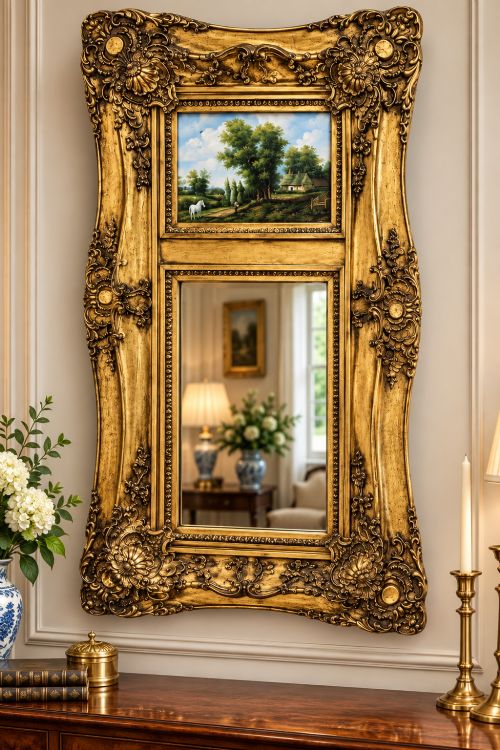
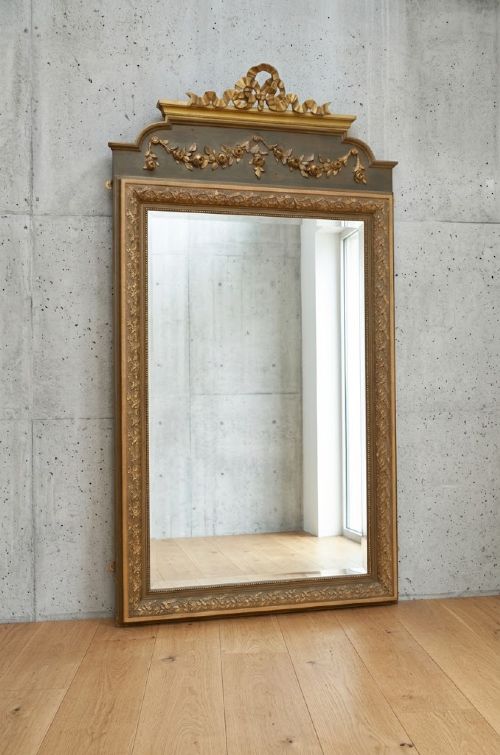
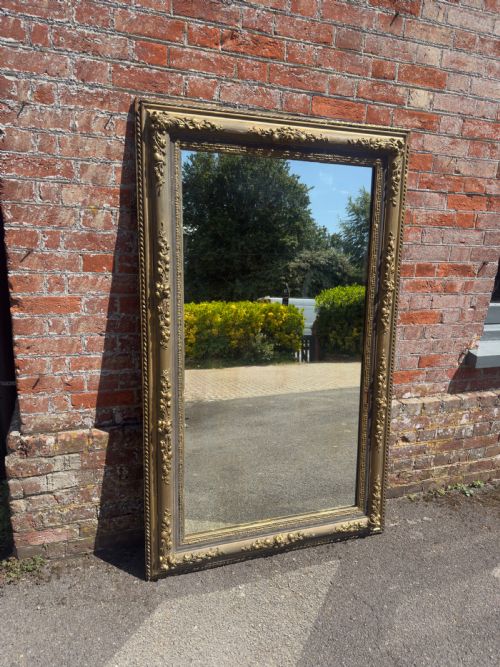
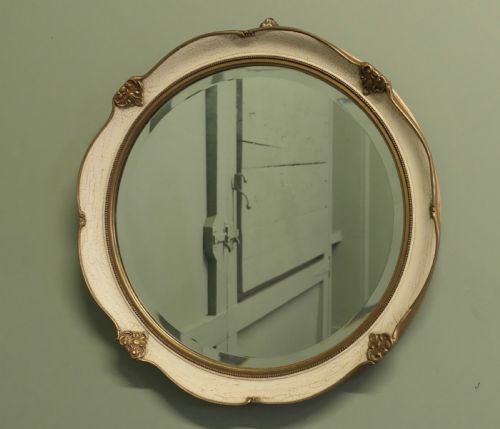
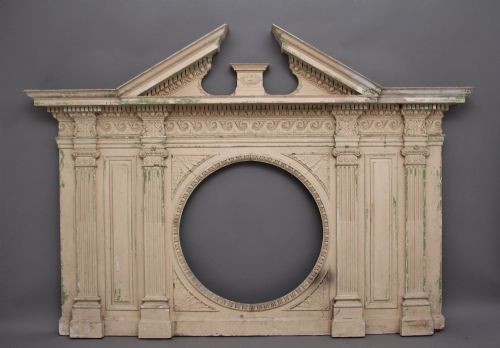
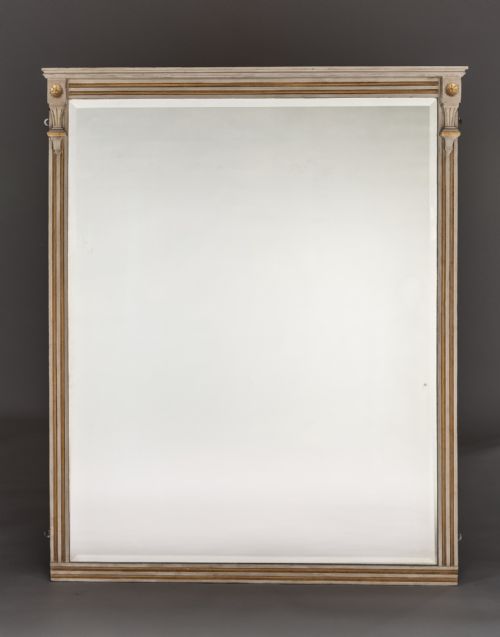
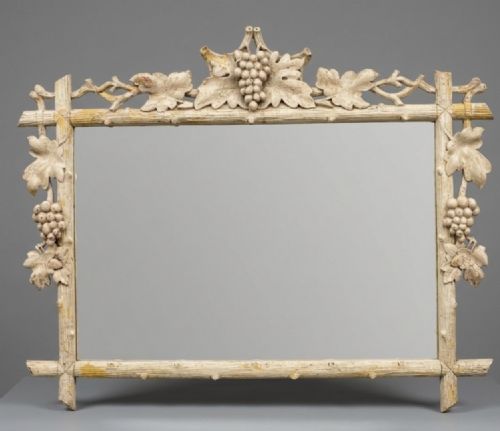
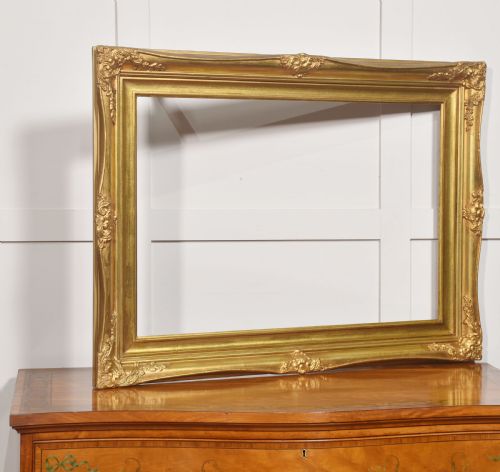
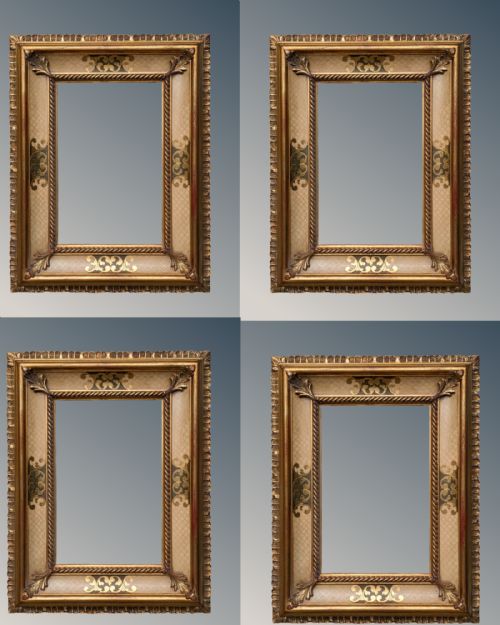
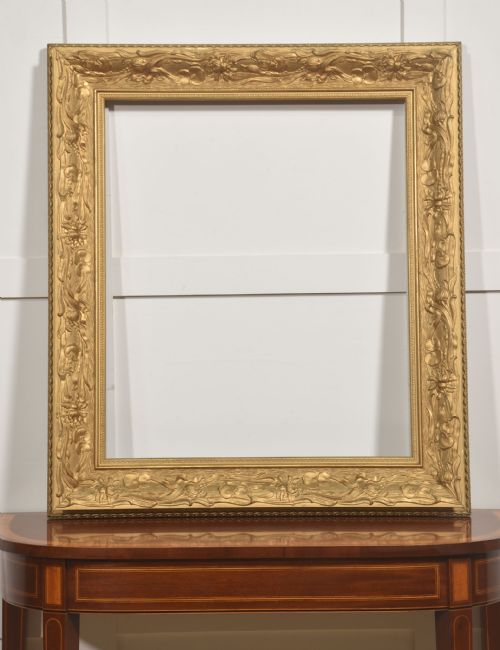
A painted carved mirror frame combines woodwork with decorative pigments, creating ornamental wall hangings designed to catch light and define interiors. Buyers encounter numerous overmantel mirrors and architectural wall pieces dating predominantly from the nineteenth century alongside later twentieth-century revivals.
Many examples originate from English and French workshops, utilising styles that range from restrained neoclassical lines to ornate rococo revival curves. Trumeau panels, pier mirrors, and arched top forms dominate the current selection, frequently integrating original glass with distressed or parcel-gilt surfaces.
Materials and construction techniques
Craftsmen shaped solid timber bases using traditional carving tools before applying fine layers of gesso to build up intricate relief details like ribbons, leaves, and rope twists. This plaster-like compound provided a smooth substrate for subsequent layers of paint, oil gilding, or gold leaf.
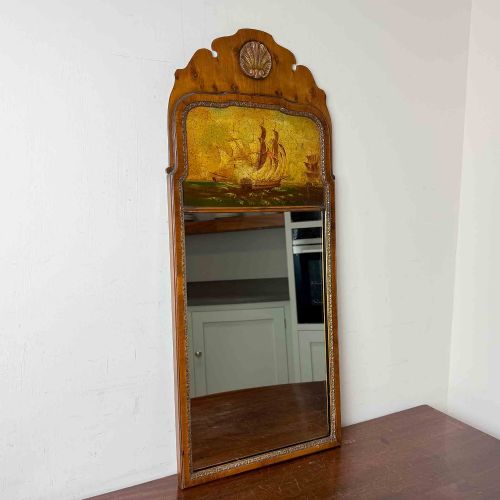
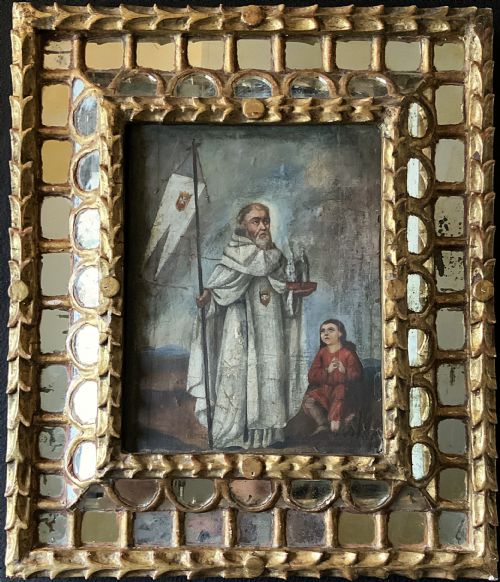
Finishes relied on a combination of applied pigments, distemper, and metallic leaf, often sealed to withstand domestic environments over generations. Frames commonly house mirror glass held securely within rebated wooden housings, sometimes accompanied by eglomisé panels or oil paintings.
Several mirrors retain the quiet evidence of past centuries in their foxed glass, reflecting countless forgotten rooms along the way.
Evaluating quality and craftsmanship
The distinction between standard and exceptional pieces lies in the crispness of the hand-carved details and the depth of the gesso application beneath the paint layers. Superior frames exhibit deeply undercut wooden ornament where flora and architectural motifs retain sharp definition rather than appearing softened by thick over-painting.
The integrity of the original surface finish heavily influences value, with untouched patination, original parcel gilding, and period mirror glass demonstrating superior historical preservation. Pieces featuring harmonious proportions, such as balanced arch tops and structurally sound joints, represent the upper tier of surviving examples.
The Painted Carved Mirror Frame Glossary
- Gesso
- A mixture of gypsum, chalk, and size used as a preparation surface for wood carving before painting or gilding. This foundational layer allows for crisp, moulded ornamentation on the frame.
- Trumeau
- A decorative wall mirror paired with an upper panel containing a painted scene or eglomisé glass. These tall architectural fixtures were designed to fit between windows in formal rooms.
- Overmantel
- A large mirror specifically proportioned to hang above a fireplace mantelpiece. They frequently feature arched tops and landscape orientations suited to domestic interiors.
- Parcel Gilt
- A decorative technique where specific raised portions of a painted surface are selectively highlighted with gold leaf. This creates contrast against the primary painted wood background.
- Eglomisé
- A process of applying gold or silver leaf to glass and then engraving designs through the metal layer. It appears frequently in the upper panels of period trumeau mirrors.
Painted Carved Mirror Frame: Frequently Asked Questions
How do I hang a heavy antique overmantel mirror?
These large frames require secure fixing directly into wall studs or masonry using heavy-duty brackets rated for the weight of the timber and glass. Professional installation is strongly recommended to support the substantial combined load safely.
Position the mirror at a height that reflects eye-level light or balances the proportions of the surrounding fireplace and furniture. Ensure the hanging wire or integrated D-rings are inspected for strength before mounting.
Are antique mirror frames prone to flaking paint?
Gesso and painted surfaces can become brittle over long periods, making them susceptible to minor loss if impacted or exposed to excessive humidity. Gentle handling during cleaning preserves the fragile decorative relief.
Stable patination and minor wear are normal characteristics of genuine age rather than structural defects. Avoid using moisture or chemical solvents on painted wood surfaces to prevent lifting the historic finish.
What is the difference between a pier mirror and an overmantel?
Pier mirrors were originally constructed to hang on the narrow wall space between two windows, often reflecting additional light back into a dim room. Their proportions tend to be taller and narrower than standard wall configurations.
Overmantels are specifically designed to sit horizontally above fireplace surrounds, featuring wider spans to anchor the mantel visually. Both forms utilise carved and painted wooden frames but serve distinct architectural functions.
How can I tell if the mirror glass is original?
Original glass frequently exhibits minor foxing, subtle warping, and tiny dark oxidation spots where the backing has aged over the decades. These natural imperfections distinguish historic plates from modern replacement mirror glass.
The silvering behind antique glass was often applied by hand using mercury or chemical solutions, creating a softer, warmer reflection compared to contemporary float glass.