



Padded Study Armchair
A padded study armchair brings solid timber frames and supportive upholstery to the desk, offering enduring comfort for daily reading and writing.
Padded Study Armchair
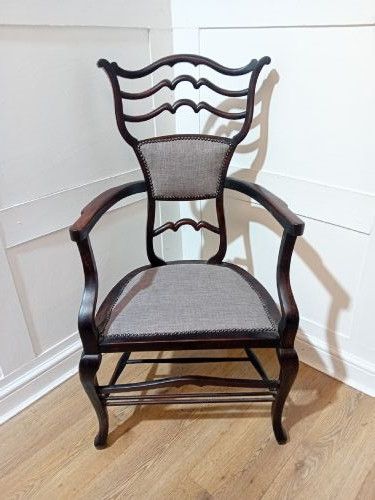
A padded study armchair serves as a sturdy seat for working at a desk or reading in a library, combining timber frames with upholstered elements. These pieces range from Georgian and Regency forms to Victorian and Edwardian iterations.
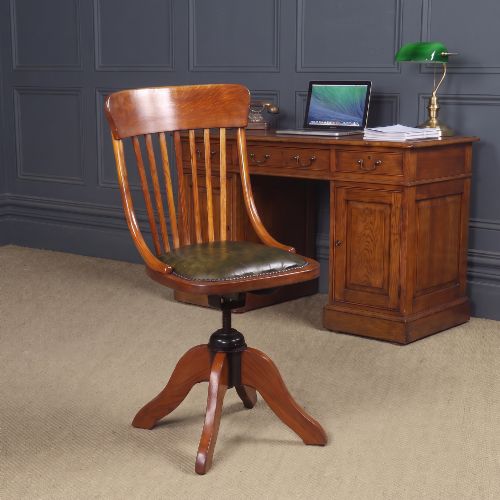
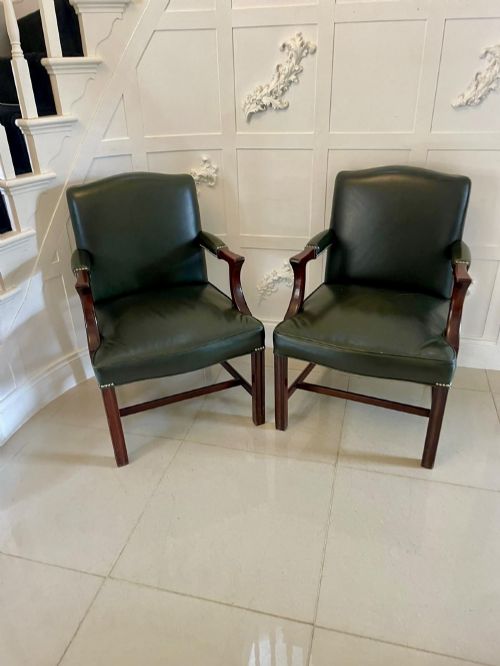
The version most commonly met on this page is the mahogany or oak desk chair, often featuring leather upholstery and a supportive high or low back. These library and office armchairs bridge the gap between formal reception seating and practical working furniture.
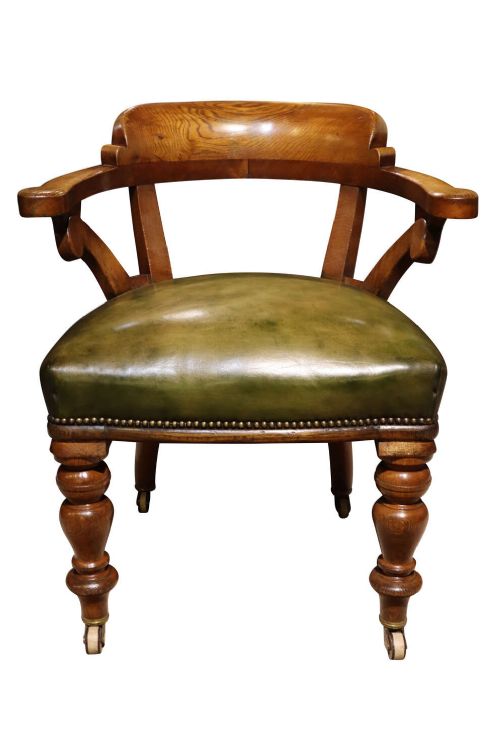
Makers across the eighteenth, nineteenth, and early twentieth centuries approached the padded study armchair with varied timber choices including walnut, oak, and mahogany. Their forms span from Gainsborough models to smokers bows and swivelling desk chairs.
How they were made
Makers built the structural frames of a padded study armchair using hardwoods such as mahogany, oak, and walnut, often shaping the timber into cabriole or turned legs. Brass fittings and castors frequently appear on nineteenth-century examples to aid movement across study floors.
Upholstery techniques involved padding seats and backs with leather, velvet, or woven fabric, secured with traditional tacks. Caning also appears on country house library chairs to provide a lighter seating surface within the timber frame.
Padded Study Armchair Retail Price Guide 2026
Typical asking prices for padded study armchair among the pieces listed under this phrase on Sellingantiques today, from the lower quarter to the upper quarter. They describe what is for sale here now, not the wider market.
Listings feature items spanning the eighteenth century through the Edwardian period, constructed in oak, mahogany, walnut, and cane.
What varies in quality
The grade of timber and the depth of carving define the distinction between standard utilitarian seating and finer library armchairs. Well-figured mahogany or richly patinated oak denote a more ambitious workshop origin.
The execution of the joinery and the selection of covering materials, from plain cloth to quality leather, dictate the overall standing of the piece. Superior examples show careful attention to the shaping of arms and the proportions of the back.
The Padded Study Armchair Glossary
- Bergère
- An enclosed upholstered armchair with a wooden frame where the sides are often filled with cane or upholstery. These chairs offer a comfortable seat for sitting rather than upright writing.
- Smokers bow
- A low-backed Windsor-style armchair with turned spindles and a rounded arm rail, commonly used in offices and smoking rooms. It provides robust wooden seating for daily utility.
- Regency
- A style period spanning the early nineteenth century, characterised by classical restraint and influences from ancient Greece and Rome. Mahogany and brass details feature heavily in furniture from this era.
Padded Study Armchair: Frequently Asked Questions
What is a padded study armchair?
A padded study armchair is a supportive seat designed for use at a desk, library table, or writing bureau. These chairs combine timber frames in oak, mahogany, or walnut with upholstered pads of leather, fabric, or velvet.
They evolved across the eighteenth and nineteenth centuries to provide comfort during long hours of reading or administrative work, differing from formal dining chairs through their wider proportions and padded arms.
How do I date an antique desk chair?
Dating relies on examining the timber species, construction methods, and stylistic cues present in the frame and legs. Georgian and Regency pieces often show hand-cut joinery and classical proportions, while Victorian and Edwardian examples may incorporate industrial elements like swivel mechanisms.
Changes in upholstery techniques and hardware, such as brass castors, also help determine the era in which the chair was manufactured.
Are these chairs comfortable for daily work?
Many examples were constructed specifically for working environments, making them well-suited for regular use at modern desks. The presence of upholstered seats and supportive wooden backrests provides practical ergonomics for writing.
Buyers should consider the seat height and arm clearance relative to their own desk to ensure a comfortable fit for daily tasks.
What is the difference between a library chair and a desk chair?
Library chairs often feature broader proportions and luxurious leather or fabric padding intended for reading or relaxed contemplation. Desk chairs tend to focus on upright support and may include swivelling bases or compact frames suited for tight workspaces.
Both types overlap significantly in historic production, as writing and reading often took place in the same domestic or institutional rooms.