





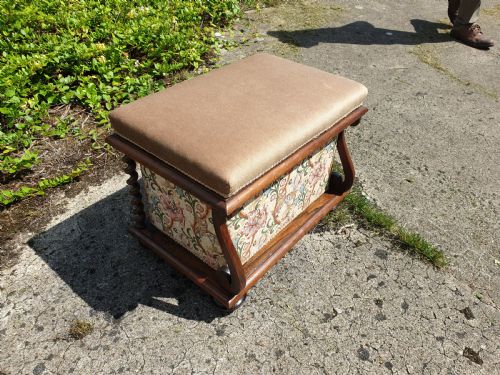

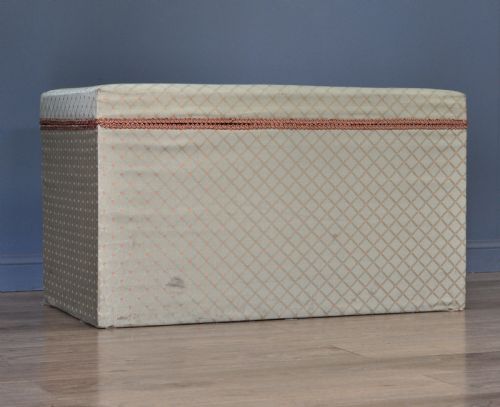
Padded Ottoman Box
These padded ottoman box pieces combine seating and concealed storage, offering a practical addition to traditional rooms through nineteenth-century and early twentieth-century designs.
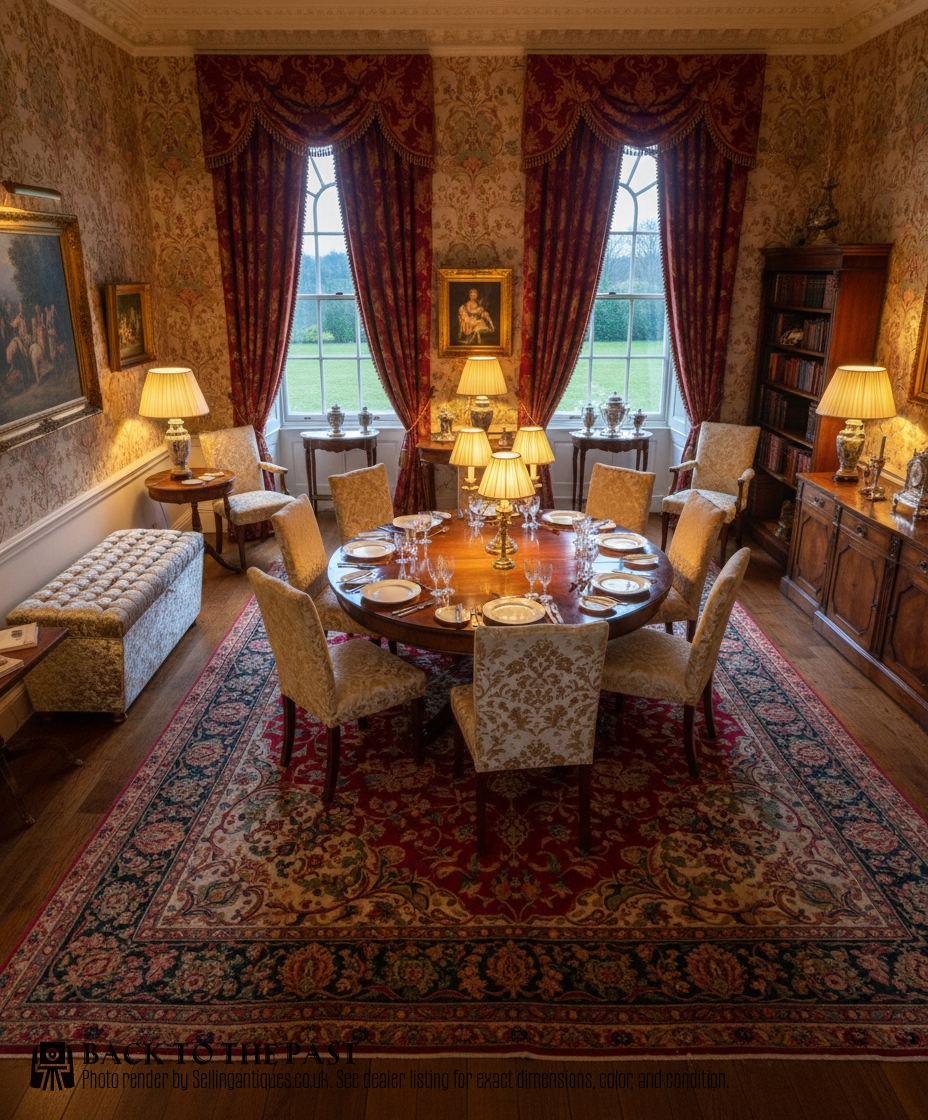
Padded Ottoman Box
When searching for a padded ottoman box, buyers encounter a selection of nineteenth-century and early twentieth-century storage seating. These pieces range from compact footstools to large blanket boxes, daybeds, and work boxes.
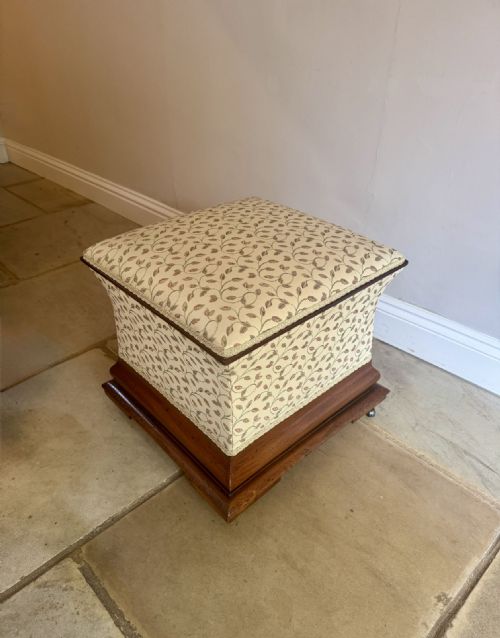
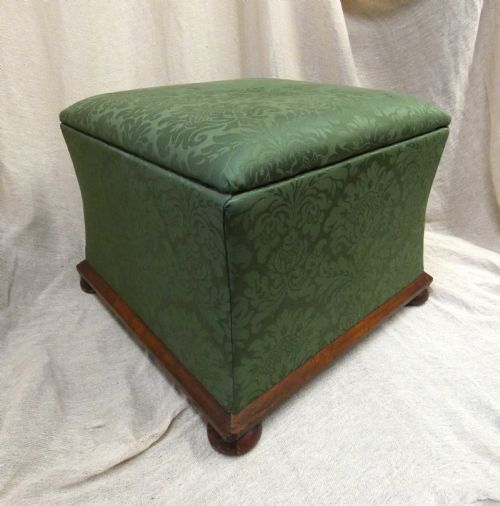
The most common examples on this page are Victorian and Regency pieces featuring timber frames and hinged lids. They serve double duty as seats and as concealed receptacles for blankets or personal items.
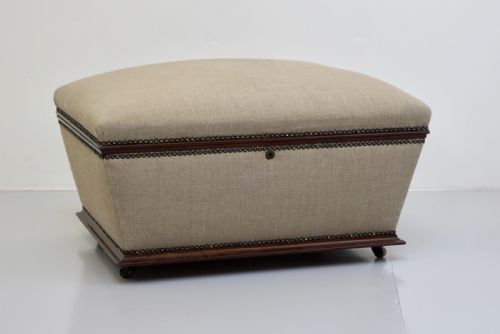
Origins stretch across the Victorian, Regency, and William IV periods, alongside early twentieth-century examples. Formats vary from waisted stools and concave blanket boxes to pine kist chests.
How they were made
Cabinetmakers constructed the structural frames using timbers such as mahogany, rosewood, walnut, birch, and pine. These woods were turned, carved, or polished to display deep grains and structured silhouettes.
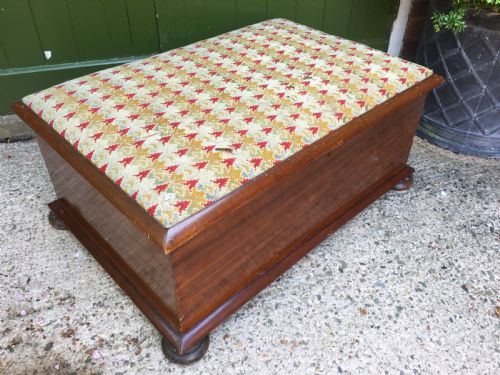
Upholstery techniques involved stuffing the lids with padding and covering them in textiles, leather, velvet, or needlework like gros-point. Brass castors, lion's paw feet, and deep buttoning completed the functional details.
Padded Ottoman Box Retail Price Guide 2026
Typical asking prices for padded ottoman box among the pieces listed under this phrase on Sellingantiques today, from the lower quarter to the upper quarter. They describe what is for sale here now, not the wider market.
Several examples incorporate original needlework tops and Liberty fabric, proving that Victorians loved a comfortable seat almost as much as a place to hide their clutter.
What varies in quality
Quality rests upon the selection of cabinet timbers and the refinement of the timber frame. Dense hardwoods like rosewood and figured mahogany indicate superior workshop standards compared to standard pine.
The execution of the upholstery and the integrity of the hinged mechanism determine the distinction between ordinary utility items and fine parlour furnishings. Original needlework tops or Liberty fabric coverings elevate the character of the piece.
The Padded Ottoman Box Glossary
- Box ottoman
- A seat featuring a hinged or liftable top that opens to reveal an interior storage compartment.
- Gros-point
- A heavy, counted-thread embroidery stitch often used historically for durable upholstery covers on seating furniture.
- Waisted
- Describing a piece of furniture whose profile curves inward towards the centre, creating a narrower middle section.
- Canterbury stool
- A low seating unit or small stand incorporating compartments for papers, music, or needlework.
- Kist chest
- A traditional heavy storage chest or trunk, typically constructed from solid pine or other dense timbers.
Padded Ottoman Box: Frequently Asked Questions
What is a padded ottoman box?
A padded ottoman box is a dual-purpose item of furniture that combines an upholstered seat with a concealed storage compartment beneath the hinged lid.
Historically used in bedrooms and drawing rooms, these pieces provide a practical way to store blankets, linen, or personal items while offering seating.
How do I identify a Regency period ottoman?
Regency ottomans typically display classical restraint, often incorporating dark timbers like rosewood or mahogany with distinct architectural proportions.
Look for classical details such as carved lion's paw feet, brass mounts, and refined leather upholstery rather than heavy Victorian ornamentation.
Where should I place an ottoman in a room?
These versatile storage seats fit well at the foot of a bed, beside a fireplace, or positioned beneath a window in a traditional study.
Their enclosed compartments help maintain tidy living spaces while keeping extra textiles or daily accessories close at hand.