




Padded Leather Fender Seat
A padded leather fender seat provides a low fireside perch framed in brass, iron, or steel.
Padded Leather Fender Seat
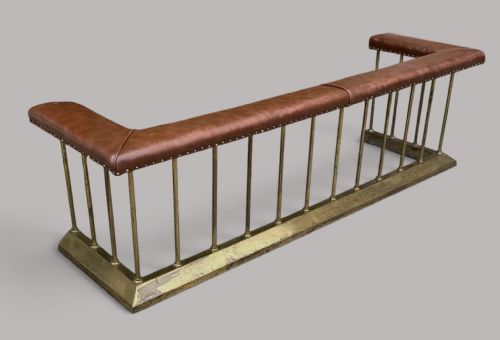
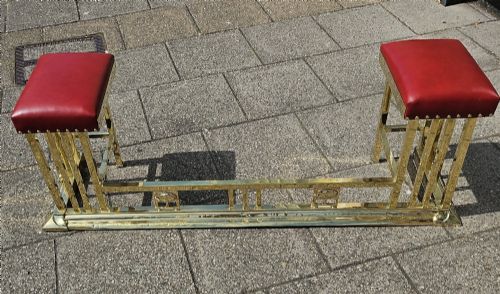
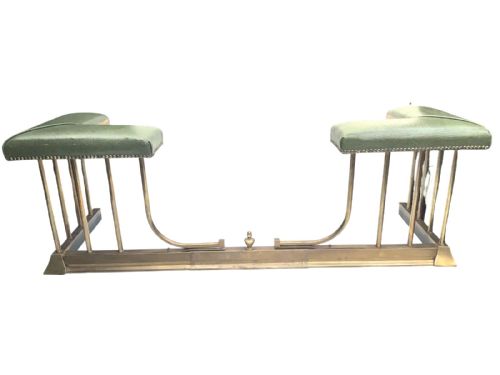
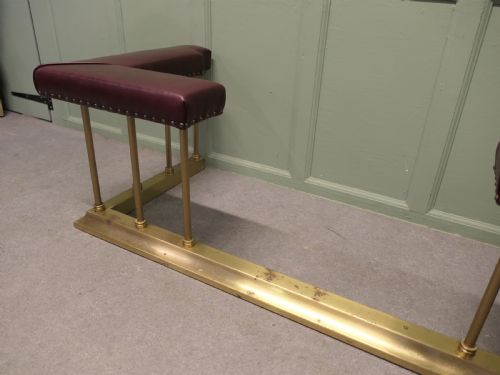
A padded leather fender seat acts as a fireside bench, combining a metal hearth surround with upholstered seating. These pieces originate from periods spanning the 19th century through the 1930s.
The version most commonly met on this page is the club fender, constructed with brass frames and tan or green leather pads. Victorian and Edwardian examples dominate the current selection alongside Art Deco forms.
Makers and creators remain largely anonymous in the records, leaving the physical materials and the period construction to tell the story. Collectors search for these hearth accessories to anchor a traditional fireplace with functional seating.
How they were made
Metalworkers forged the structural surrounds using brass, steel, wrought iron, and copper, often casting the heavier components to withstand decades of hearthside use. These metals provide a rigid architectural skeleton that sits directly upon the floor around the grate.
Upholsterers then fitted top rails with leather pads, securing the hide over stuffing to create a comfortable bench for warming oneself by the fire. The combination of heavy metalwork and durable leather defines the physical construction of every piece.
Padded Leather Fender Seat Retail Price Guide 2026
Typical asking prices for padded leather fender seat among the pieces listed under this phrase on Sellingantiques today, from the lower quarter to the upper quarter. They describe what is for sale here now, not the wider market.
Listings feature brass, steel, wrought iron, copper, and cast steel combined with tan and green leather upholstery.
What varies in quality
The substance of the metal frame dictates the upper tier of quality, with substantial brass or heavy cast steel sections offering greater weight and durability than lighter iron frames. Robust construction ensures the structure remains stable under daily use.
The grade and finish of the leather upholstery further separate standard pieces from finer examples, particularly where deep buttoning or mature patinated hides survive. Finer specimens display careful stitching and substantial padding that retain their supportive form.
The Padded Leather Fender Seat Glossary
- Club fender
- A low fireside seat built around a hearth surround. It allows people to sit close to the warmth of the fire.
- Cast steel
- Molten steel poured into moulds to create rigid components. It provides exceptional strength for heavy industrial hearth frames.
- Wrought iron
- Iron beaten into shape by hand tools while hot. It yields decorative scrolls and sturdy structural bars for fireside accessories.
Padded Leather Fender Seat: Frequently Asked Questions
What is a club fender?
A club fender is a low metal hearth surround fitted with padded leather seats on top. It sits around an open fireplace to provide comfortable seating close to the fire.
Originating in gentlemen's clubs and large country houses, these pieces allowed guests to gather directly around the hearth. They combine functional fire guards with practical benches.
How do I date a fender seat?
Dating relies on identifying the metal types, construction methods, and stylistic cues present in the frame. Victorian and Edwardian pieces often display heavier brass castings, while 1930s examples lean towards Art Deco geometric lines.
Examining the underlying materials helps place the piece within its historical era. Mature patination on the leather and brass also offers clues to age.
Where should I place it?
These seats are designed to fit directly around the hearth in front of an open fireplace or wood burner. They frame the fireplace while offering a functional seating option for a living room.
Ensure you measure the hearth dimensions carefully before placement so the metal frame clears the fire surround. The low profile keeps sightlines to the fire open.
How do I care for the leather?
Leather upholstery requires regular conditioning to maintain its suppleness and prevent drying out near a heat source. Keep the hide clean using appropriate leather care products suited to mature finishes.
Avoid placing the seat too close to active flames to protect both the leather and the internal padding. Gentle maintenance preserves the natural patina over time.