

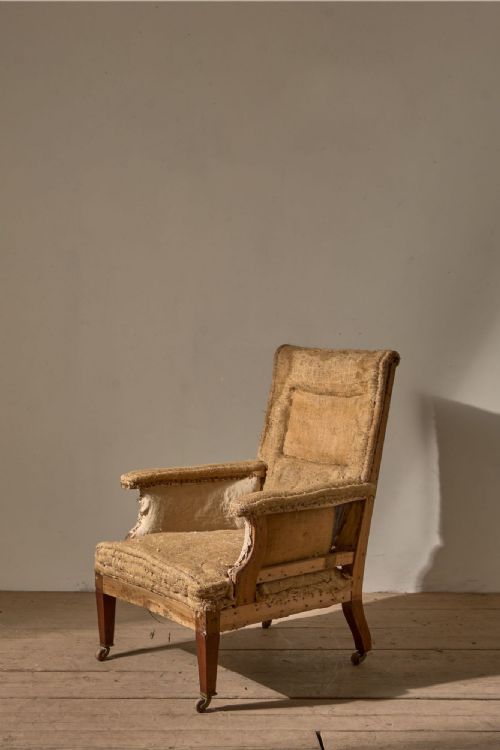


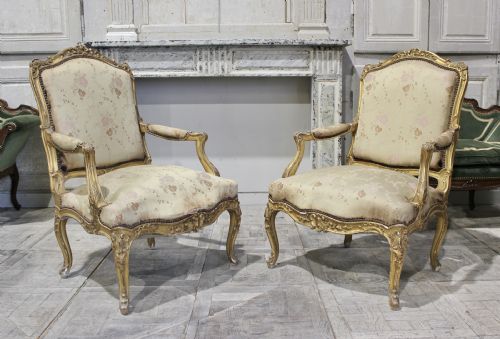


Padded Arm Salon Chairs
These padded arm salon chairs are seating of distinction, offering refined comfort and period elegance for the interior.
Padded Arm Salon Chairs
When you search for padded arm salon chairs, you encounter seating designed for the reception rooms of grand houses and domestic drawing rooms alike. These pieces combine supportive upholstered rests with graceful frames intended for formal social gatherings.
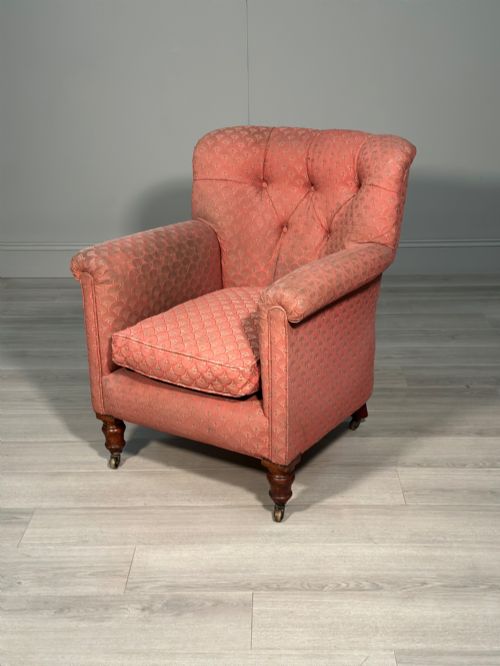
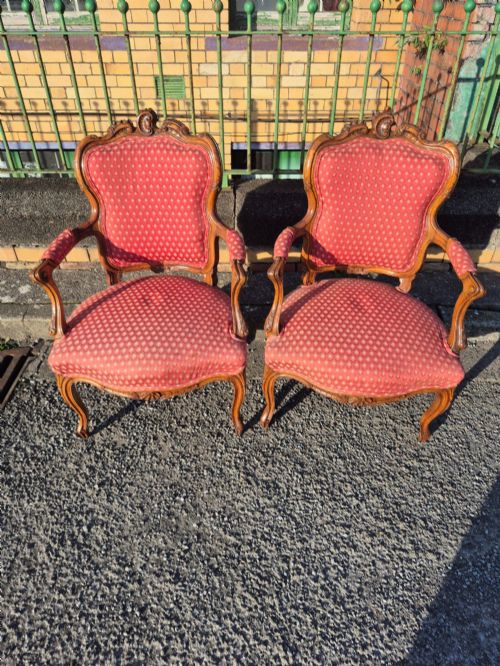
The selections available here lean heavily towards Victorian walnut examples and French revival pieces. You will find balloon backs, open arm designs, and elaborately carved showwood frames from the nineteenth century alongside earlier eighteenth-century forms.
Makers from various eras adapted these seats for parlours, bedrooms, and drawing rooms, resulting in variations from simple open arms to fully padded tub shell backs. Each item reflects the social habits and interior aesthetic of its original period of manufacture.
How they were made
Makers utilised dense timbers such as walnut, mahogany, rosewood, beech, and giltwood to construct the structural frames. These hardwoods allowed artisans to carve intricate details into the showwood while maintaining the rigid support necessary for daily use.
Upholstery techniques involved layering natural textiles, fabrics, and needlework covers over padded foundations. Frames were frequently ebonised, painted, or gilded to align with the prevailing tastes of the Victorian and French revival periods.
Padded Arm Salon Chairs Retail Price Guide 2026
Typical asking prices for padded arm salon chairs among the pieces listed under this phrase on Sellingantiques today, from the lower quarter to the upper quarter. They describe what is for sale here now, not the wider market.
The listings on this page span several decades, featuring walnut, mahogany, beech, and giltwood constructions from the eighteenth and nineteenth centuries.
What varies in quality
The distinction between standard domestic seating and the finest examples rests in the crispness of the timber carving and the sophistication of the frame proportions. Superior pieces display deeply sculpted walnut or giltwood details executed by skilled hands rather than routine production methods.
Quality also manifests in the harmony between the wooden structure and the textile upholstery. Original needlework covers and well-preserved showwood frames indicate a higher grade of initial commission and careful subsequent preservation.
Thomas Chippendale
The Padded Arm Salon Chairs Glossary
- Balloon back
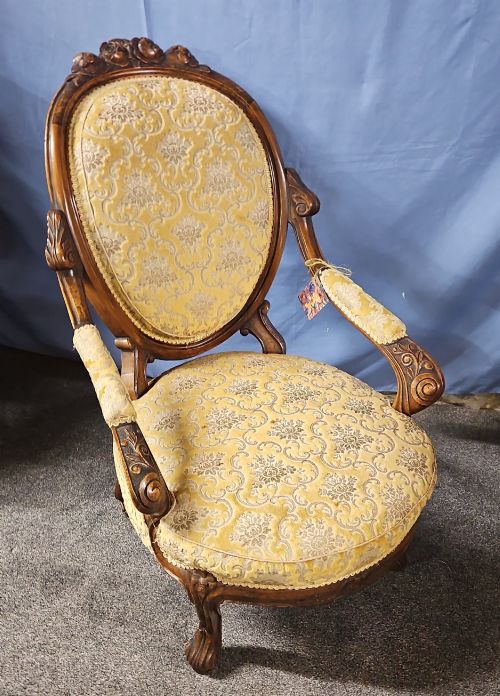
- An oval-shaped chair back resembling the profile of a hot air balloon. This form gained immense popularity during the Victorian era.
- Open arm
- A chair construction where the armrests are un-upholstered and expose the shaped wooden support beneath. It provides a lighter visual silhouette in a formal room.
- Giltwood
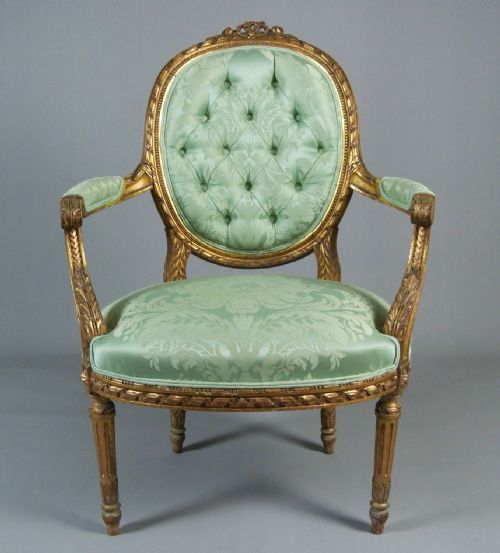
- Timber coated with a thin layer of gold leaf or gilt pigment. This finish was favoured in grand French and English revival drawing rooms.
- Ebonised
- Wood treated with a chemical stain or dark finish to imitate ebony. This dark treatment was common on Victorian salon seating to create striking contrast.
Padded Arm Salon Chairs: Frequently Asked Questions
How do I identify a Victorian salon chair?
Victorian examples frequently utilise walnut or rosewood frames with carved details, open arms, and distinctive shapes like the balloon back. They were built for mid-nineteenth-century drawing rooms.
Look closely at the finish of the timber and the style of the upholstery. The combination of dark polished wood and traditional textile covers is characteristic of the period.
Where were these chairs used historically?
These seating pieces belonged in formal drawing rooms, parlours, and private salons where guests gathered for conversation. Their padded arms provided comfort during extended periods of sitting.
They also appeared in bedrooms and end-of-bed settings as secondary seating. Their decorative frames ensured they complemented the refined decor of reception spaces.
What is the difference between English and French styles?
English iterations often feature restrained walnut frames with needlework or standard upholstery. They prioritise sturdy construction and classic proportions.
French revival designs tend to incorporate painted finishes, giltwood, and flowing Rococo or Louis XV curves. They emphasise ornamental carving and lighter decorative aesthetics.
How should I integrate them into a modern interior?
These salon chairs work effectively as accent pieces in contemporary living spaces or studies. Their distinctive silhouettes provide historical contrast against modern furnishings.
Pair an open arm walnut chair with a minimalist reading nook or place a French painted armchair in a bedroom. The traditional textiles and timber tones add warmth and texture to the room.