





Pacific Island Carving
These pacific island carving pieces bring raw tribal power and rich regional heritage straight to your collection.
Pacific Island Carving
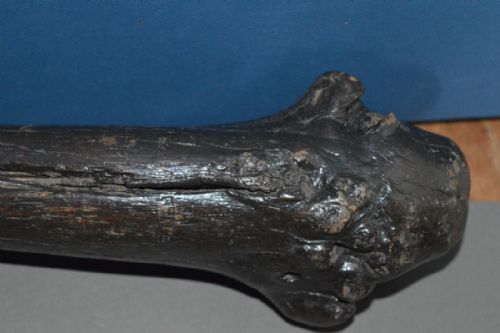
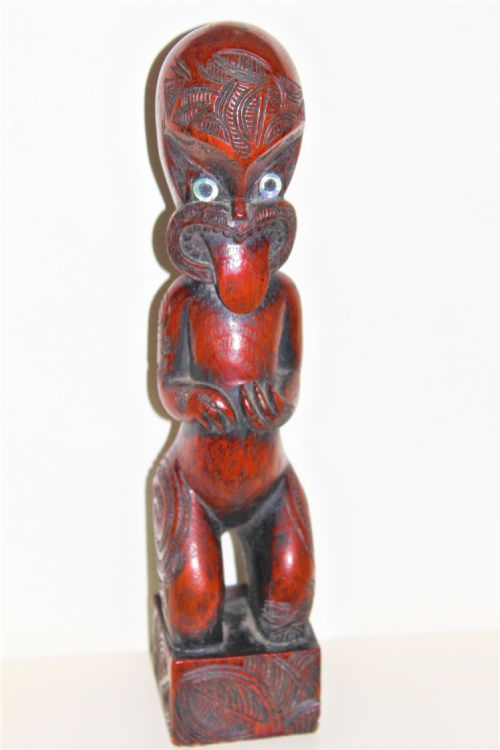
The selections here heavily feature utilitarian items and ritual objects created by master artisans of the South Seas. War clubs, hanging bowls, and paddle clubs dominate the current array.
Most examples hail from the nineteenth century, reflecting periods of intense cultural expression and traditional warfare across Melanesia and Polynesia. You find works spanning New Caledonia, Fiji, Papua New Guinea, and the Sepik River region.
How they were made
Makers utilised dense native hardwoods to shape durable weaponry and ceremonial vessels that withstood rigorous practical use. Carvers relied on basic hand tools to hack, shape, and smooth stubborn timber into purposeful forms.
Pacific Island Carving Retail Price Guide 2026
Typical asking prices for pacific island carving among the pieces listed under this phrase on Sellingantiques today, from the lower quarter to the upper quarter. They describe what is for sale here now, not the wider market.
Current listings feature nineteenth-century hardwood artefacts from Fiji, New Caledonia, and Papua New Guinea.
What varies in quality
The mastery of the carver dictates the visual power of each sculpture or weapon, separating standard utility items from commanding sculptural works. Proportions, balance, and the crispness of traditional motifs reveal the artisan's skill.
Age and untouched surface patinas elevate certain examples through deep oxidation accumulated across generations of handling. Natural wear patterns and traditional repairs tell a distinct story about the object's active life in its original community.
The Pacific Island Carving Glossary
- Ula drisia
- A traditional Fijian throwing club characterised by a spherical root-stock head and a grip carved with ridges. These weapons served both close combat and projectile roles.
- Canoe prow
- A decorative and protective carving mounted on the front of a watercraft. Sepik River examples often display zoomorphic figures like crocodiles.
- Hardwood
- Dense, heavy timber harvested from slow-growing tropical trees. Artisans selected these durable woods for combat utility and longevity.
- Pigment
- Natural colouring matter applied to carved surfaces for ritual or aesthetic enhancement. Indigenous makers sourced these from local earths and organic substances.
Pacific Island Carving: Frequently Asked Questions
How were fighting clubs used?
Island warriors utilised clubs in close-quarter combat and ceremonial skirmishes across regions like Fiji, New Caledonia, and Papua New Guinea. Each regional design suited specific fighting techniques.
Beyond combat utility, these weapons often denoted social status, warrior prestige, and tribal lineage within the community.
How do I date these carvings?
Dating relies on examining the tool marks, timber shrinkage, and the depth of the surface patina accumulated over decades of handling. Most documented pieces date from the nineteenth century.
Comparing known regional motifs and stylistic quirks helps place an artefact within its appropriate historical and geographical context.
How should I display them?
Mounting heavy wooden clubs and sculptures requires secure custom stands that support the weight without damaging the original timber. Keep items away from direct sunlight and sudden temperature shifts.
Allowing adequate space around each piece highlights the sculptural form and the intricate carved details of the tribal art.