






Pacific Island Art
Pacific island art brings together carved hardwood weapons and ritual figures from across the ocean that carry generations of island craftsmanship.
Pacific Island Art
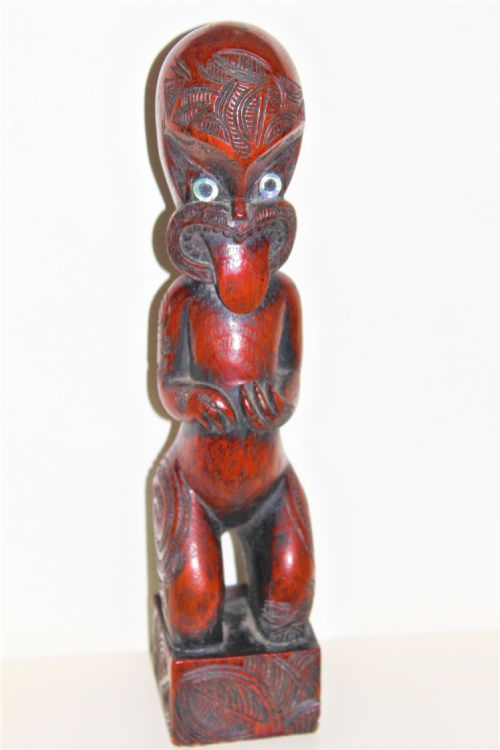
Pacific island art encompasses traditional objects from the nineteenth and eighteenth centuries, ranging from functional weapons to decorative sculptures. Buyers searching for pacific island art encounter cultural items originating from Fiji, New Caledonia, Papua New Guinea, and Polynesia.
Most pieces date from the nineteenth century, utilising dense local timbers and traditional carving methods. Each form reflects the specific utilitarian and ceremonial needs of the island communities that made them.
Making pacific island art
Carvers shaped these objects primarily from hardwood and polished timber using traditional hand tools. Artisans selected durable woods suited for weapons and utilitarian vessels, often enhancing the surfaces with fibre attachments and natural pigment.
Techniques relied on precise cutting and polishing to create ribbed paddles, bird head motifs, and zoomorphic carvings like crocodile prows. Surface details emerged through careful incision and polishing rather than modern machinery.
Pacific Island Art Retail Price Guide 2026
Typical asking prices for pacific island art among the pieces listed under this phrase on Sellingantiques today, from the lower quarter to the upper quarter. They describe what is for sale here now, not the wider market.
Assessing quality
Quality rests in the crispness of the carving and the integrity of the timber form. Superior examples display confident handling of the medium, particularly in complex figural works and weapon heads.
Age and genuine use differentiate the finest pieces, showing through the natural patina developed on the hardwood over decades. Finer works retain their original proportions and balance without unnecessary restoration.
The Pacific Island Art Glossary
- Hardwood
- Dense timber derived from broad-leaved trees, forming the primary structural material for most oceanic artefacts. Carvers utilised these robust woods to ensure durability in weapons and ceremonial objects.
- Ula
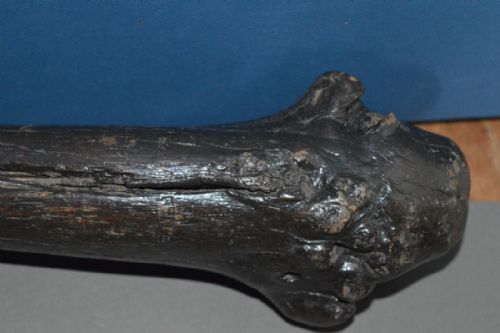
- A traditional Fijian throwing club characterised by a distinct bulbous root head. Warriors utilised these compact weapons for close combat and ranged throwing.
- Canoe Prow
- The decorative and symbolic forward extension of a traditional watercraft. Sepik River examples often feature intricate zoomorphic carvings like crocodiles.
- Ribbed Paddle Club
- A specialised oceanic weapon featuring ridges along the striking surface. These hardwood implements combine the form of a paddle with offensive utility.
Pacific Island Art: Frequently Asked Questions
What is pacific island art?
Pacific island art comprises traditional objects, weapons, and sculptures created by indigenous communities across Oceania. These artefacts include items like war clubs, hanging bowls, and carved figures.
Most surviving examples date from the eighteenth and nineteenth centuries, reflecting the diverse material culture of regions such as Fiji, Papua New Guinea, and New Caledonia.
How were war clubs used?
Oceanic war clubs served as both practical weapons for combat and symbols of status for island warriors. Different islands developed specific forms, such as the Fijian ula or the Kanak bird head club.
Carvers shaped them from dense local hardwoods to withstand heavy impact during conflicts.
How do I date these pieces?
Dating relies on examining the timber species, tool marks left by traditional carvers, and the natural patina acquired over time. Nineteenth and eighteenth-century examples exhibit distinct wear patterns from handling and age.
Comparing regional styles and decorative motifs helps place an object within its specific cultural context.
How do I care for hardwood artefacts?
Hardwood oceanic objects require stable environmental conditions away from direct sunlight and extreme humidity changes. Keeping them in a consistent indoor climate preserves the natural timber and pigment.
Avoid applying modern polishes or oils to the surface, as this can alter the historical patina developed over generations.