


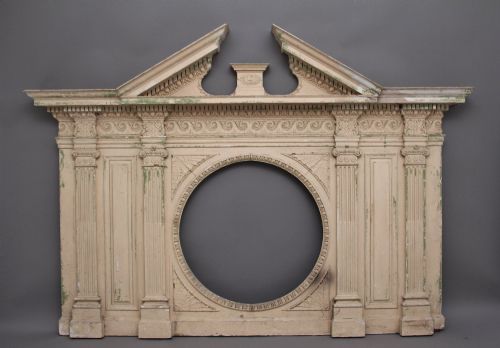
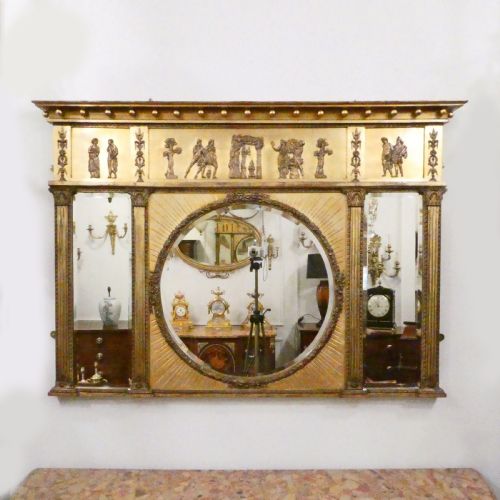

Overmantel Panels
Overmantel panels combine mirror glass and decorative wooden frames to sit above a fireplace, bringing light and scale to a room.
Overmantel Panels
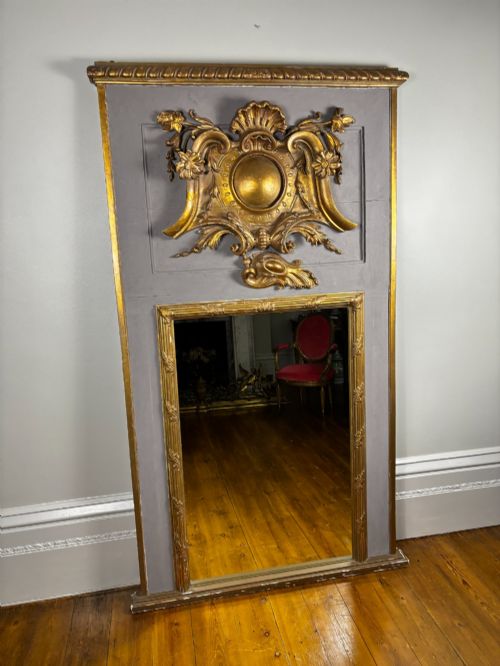
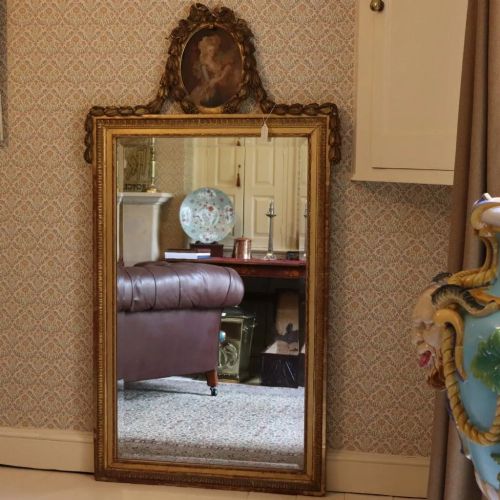
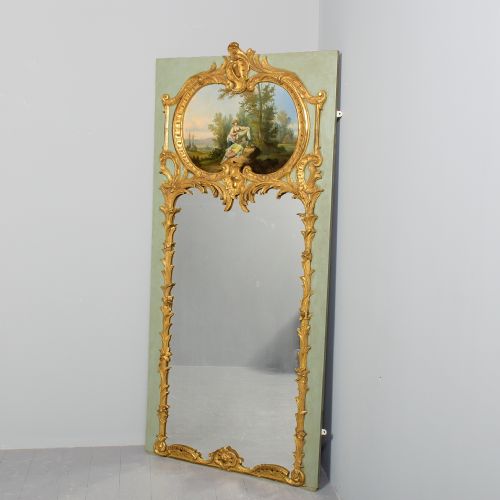
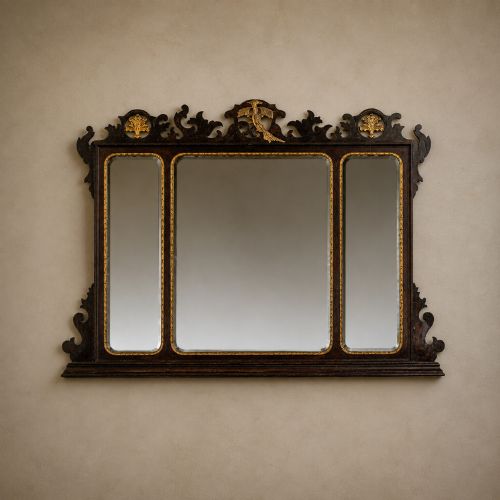
Overmantel panels encompass architectural mirror frames and timber panels designed to be positioned directly above a mantelpiece. When searching for overmantel panels, buyers encounter a mix of large architectural salvage pieces, multi-plate wall mirrors, and French trumeau formats.
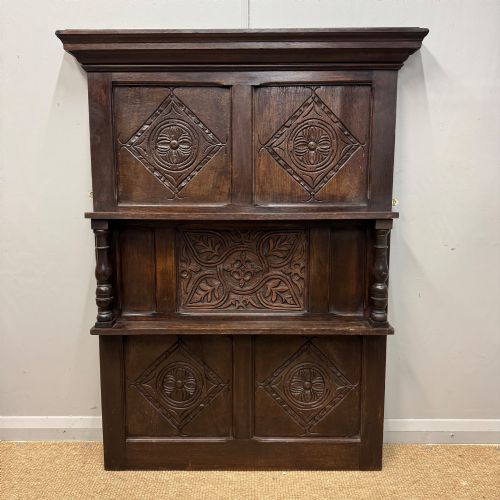
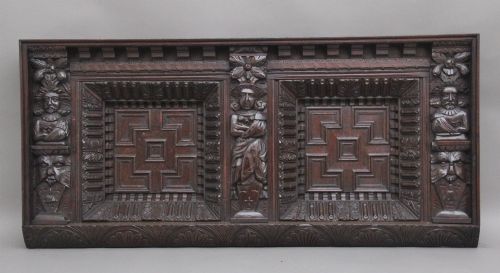
The selections available here span from seventeenth-century carved oak examples to nineteenth-century Regency and Victorian creations. Many incorporate integrated painted panels or reverse-painted glass alongside primary mirror plates.
French styles such as trumeau and Louis XVI feature prominently alongside British Regency, Victorian, and later Art Deco designs. These pieces function simultaneously as focal architectural elements and practical reflective surfaces.
How they were made
Frames rely on timber construction such as oak, mahogany, and pine, often finished with gesso and gold leaf to create gilded surfaces. Carved wooden elements utilise traditional joinery and applied ornamentation.
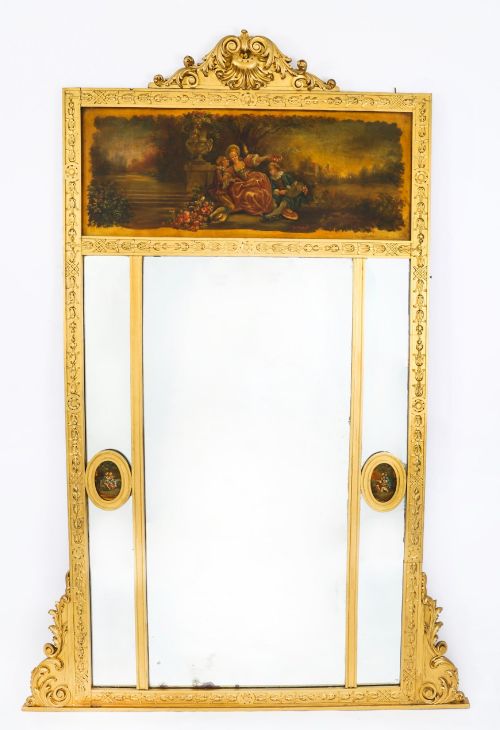
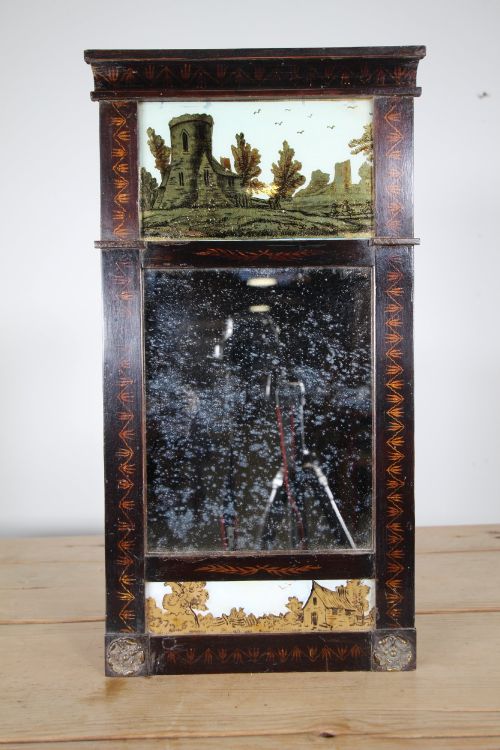
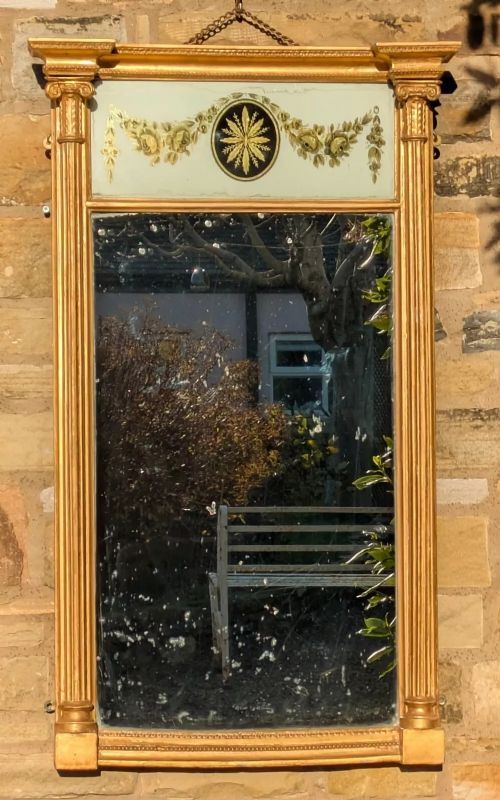
Mirror plates are combined with decorative inserts including pastoral oil paintings and verre églomisé panels. Giltwood and painted wood finishes define the visual character of the nineteenth-century examples.
Overmantel Panels Retail Price Guide 2026
Typical asking prices for overmantel panels among the pieces listed under this phrase on Sellingantiques today, from the lower quarter to the upper quarter. They describe what is for sale here now, not the wider market.
Listings feature periods from the seventeenth century through to the 1920s, with a strong representation of nineteenth-century French and British design.
What varies in quality
The refinement of the carved detail and the depth of the gilding set superior pieces apart from simpler workshop production. Hand-carved motifs like acanthus leaves or figural cresting demonstrate high craftsmanship.
The preservation of original mirror glass, gilt surfaces, and integrated painted panels determines the overall integrity of the piece. Authentic period materials retain a specific patination that distinguishes them from later reproductions.
The Overmantel Panels Glossary
- Trumeau
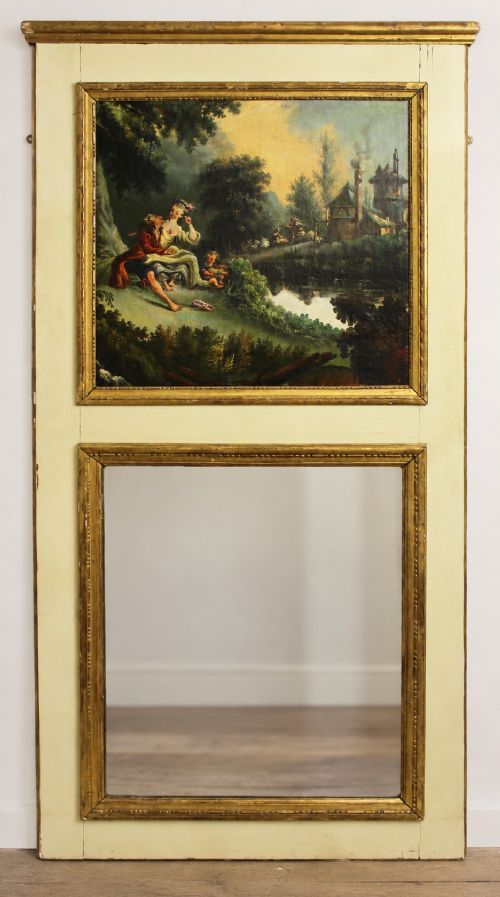
- A decorative wall panel or mirror, frequently French in origin, containing a painted scene or oil painting above the glass.
- Verre églomisé
- A cold decoration technique involving gilding and painting on the reverse side of glass panels.
- Gesso
- A plaster-like mixture applied to wood frames to provide a smooth base for subsequent gilding with gold leaf.
- Pier glass
- A tall mirror designed to hang on the wall between windows, often sharing stylistic traits with overmantels.
- Triptych
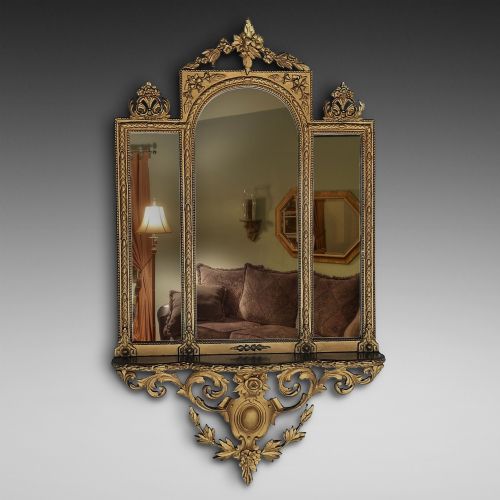
- A mirror or panel divided into three distinct sections, commonly seen in Regency and Victorian overmantel formats.
Overmantel Panels: Frequently Asked Questions
Where should an overmantel panel hang?
These pieces traditionally sit directly above a fireplace mantel, anchoring the wall space and reflecting room light.
They also function effectively on large blank walls in reception rooms when mounted at eye level.
How do I identify a Regency overmantel?
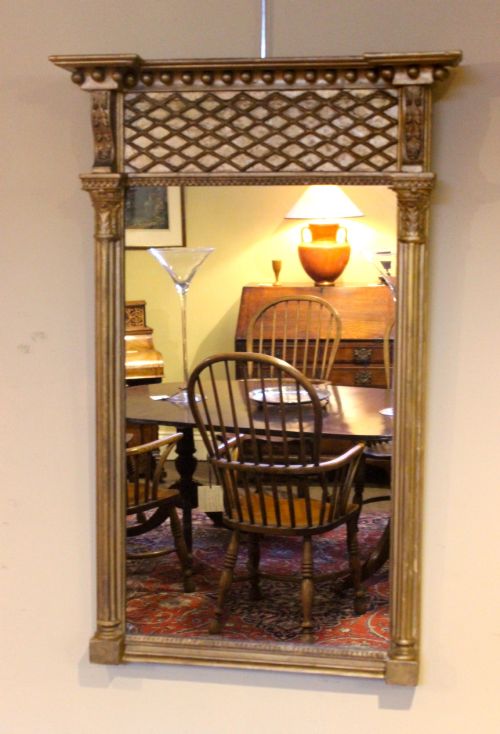
Regency pieces often display classical motifs such as column supports, verre églomisé panels, and neat rectangular proportions.
They frequently utilise giltwood frames with restrained architectural detailing dating from the early nineteenth century.
What is a trumeau mirror?
A trumeau mirror incorporates an integrated artwork, such as a pastoral oil painting, positioned above the main glass plate.
Originating largely from French design traditions, these pieces combine painting and framing within a single architectural unit.
How do I care for antique mirror glass?
Maintain the frame and glass using dry or barely damp cloths without harsh chemical cleaning agents.
Preserving the original surface patination requires avoiding abrasive materials that can damage antique gilding or silvering.