





Overlay Glass Scent Flask
An overlay glass scent flask brings together rich coloured vessels and intricate metalwork, offering a tactile pocket of nineteenth-century dressing table elegance.
Overlay Glass Scent Flask
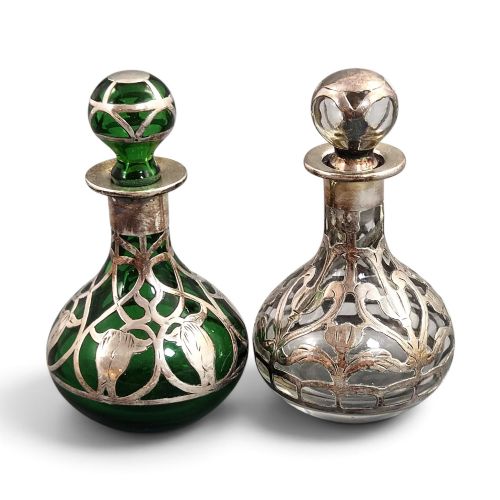
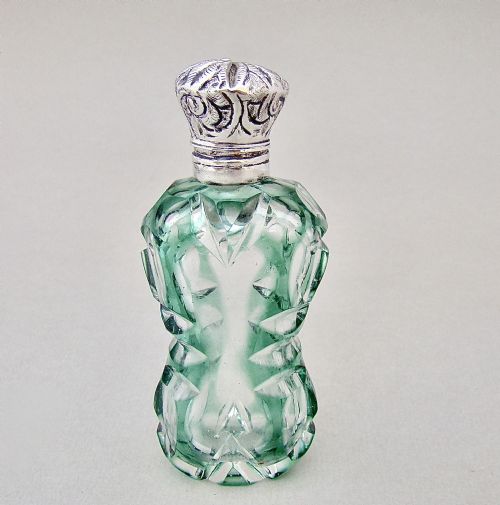
An overlay glass scent flask is a portable perfume container featuring a primary glass body cased in one or more contrasting layers of glass or precious metal. These pieces belong predominantly to the Victorian and Edwardian eras, spanning from the 1870s to around 1900, alongside French nineteenth-century examples and Chinese Qing dynasty snuff bottles.
Collectors most frequently encounter Victorian Bohemian green and cranberry glass vessels, alongside French pieces and sterling silver mounted items from around 1890. The forms range from standard scent bottles and perfume bottles to chatelaine flasks and Peking glass snuff bottles.
Makers and workshops utilised distinct stylistic languages, moving from robust Victorian silhouettes to flowing Art Nouveau sterling silver overlay designs. The resulting objects served both practical toilet functions and decorative roles for the nineteenth-century owner.
How these flasks were made
Glassmakers created the body by fusing layers of coloured and clear glass together before cutting back the outer layer to reveal the design beneath, a technique seen in triple overlay and cameo glass. Alternatively, craftsmen encased glass bodies in pierced or solid sterling silver and brass mounts.
The combination of cut glass and silver required skilled metalworking to secure collars, hinges, and screw caps tightly to the delicate glass necks. Artisans also applied mercury glass finishes or incorporated hand-cut facets to enhance the play of light across amethyst, green, and cranberry hues.
Overlay Glass Scent Flask Retail Price Guide 2026
Typical asking prices for overlay glass scent flask among the pieces listed under this phrase on Sellingantiques today, from the lower quarter to the upper quarter. They describe what is for sale here now, not the wider market.
The material record on this page spans Victorian, Edwardian, and nineteenth-century French periods, executed in sterling silver, brass, and cut glass.
What varies in quality
Quality rests upon the crispness of the glass cutting and the weight of the metal overlay. Superior pieces display deep, clean clearance in the layered glass and substantial sterling silver mounts rather than thin brass plating.
The complexity of the design also distinguishes finer examples, such as triple overlay work or intricate Art Nouveau silver tracery that hugs the contours of the flask precisely. Maker attribution, such as signed pieces or identifiable Gorham production, further elevates the stature of an individual bottle.
Gorham
The Overlay Glass Scent Flask Glossary
- Overlay glass
- Glass formed by fusing two or more distinct layers of different colours, where portions of the outer layer are cut away to expose the colour underneath. This creates a high-contrast decorative relief.
- Chatelaine scent bottle
- A small flask equipped with a chain or hook designed to suspend from a woman's chatelaine belt worn at the waist. These pieces allowed for portable access to fragrance during the Victorian period.
- Sterling silver overlay
- A technique where molten or sheet silver is applied directly to a glass body, often etched or pierced in floral and organic motifs. It typifies late nineteenth-century luxury goods.
- Peking glass
- Chinese imperial glass made using overlay techniques similar to Western cameo glass, frequently utilised for traditional snuff bottles. These items exhibit remarkable carving depth and multicoloured layering.
- Mercury glass
- Silvered glass blown with a double wall, leaving a silvery reflective coating trapped inside that mimics solid metal. It gained popularity during the Victorian era for ornamental vessels.
Overlay Glass Scent Flask: Frequently Asked Questions
How do I clean an antique scent flask?
Dust the exterior gently with a soft dry cloth, taking care not to catch delicate silver overlay or hinges. Avoid submerging older mounted bottles in water, as moisture can become trapped between the silver and glass components.
For the interior, use a small bottle brush without harsh chemical detergents that might strip residual vintage scents or damage fragile glass linings. Allow the flask to dry completely open before replacing the stopper.
Were these flasks meant for daily use?
Nineteenth-century owners utilised these bottles to carry concentrated perfumes or smelling salts while travelling or attending social events. The secure screw caps and stoppers prevented precious liquids from evaporating or leaking into handbags.
Today, they function primarily as cabinet or dressing table displays rather than portable accessories. The tight stoppers are best left slightly loose to prevent the historical cork fittings from seizing inside the glass neck.
How can I tell Victorian pieces from later ones?
Victorian examples frequently showcase deep cranberry or green glass with robust silver mounts or mercury finishes typical of the 1870s and 1880s. They often rely on classic, structured silhouettes.
Pieces transitioning into the Edwardian period around 1900 tend to adopt flowing Art Nouveau organic lines in their silver overlay work. Hallmarks on the silver mounts also provide definitive date markers for English and American production.
What is the difference between overlay and cameo glass?
Cameo glass typically involves extensive acid-etching and hand-carving of a cased layer down to a contrasting background to produce fine pictorial scenes. Overlay glass can describe a broader category of cased vessels where layers are cut back geometrically or organically.
In the context of nineteenth-century flasks, both terms describe the sophisticated layering of coloured glass over a base body to create visual depth and rich surface texture.