



Oval Wooden Box
An oval wooden box offers neat containment and warm timber grain, bringing tactile history straight into daily rooms.
Oval Wooden Box
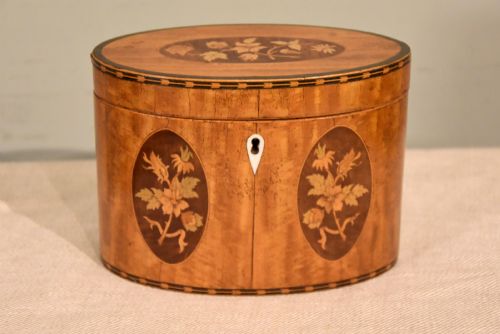
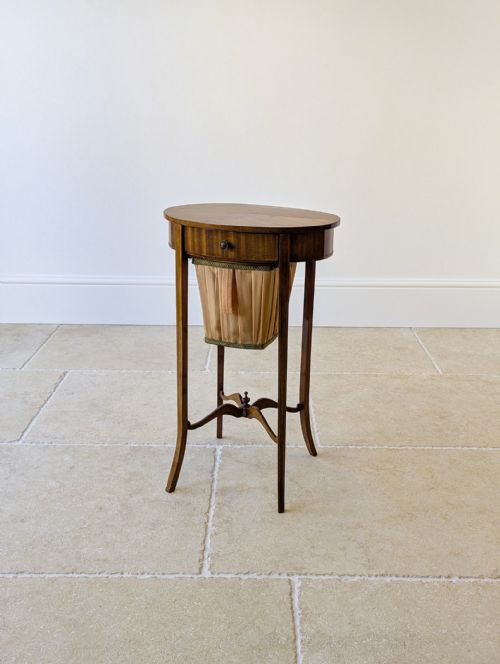
An oval wooden box brings together domestic utility and refined craftsmanship across the eighteenth and nineteenth centuries. When searching for an oval wooden box, collectors most often encounter tea caddies, strong boxes, and small storage vessels originating from British and Scandinavian workshops.
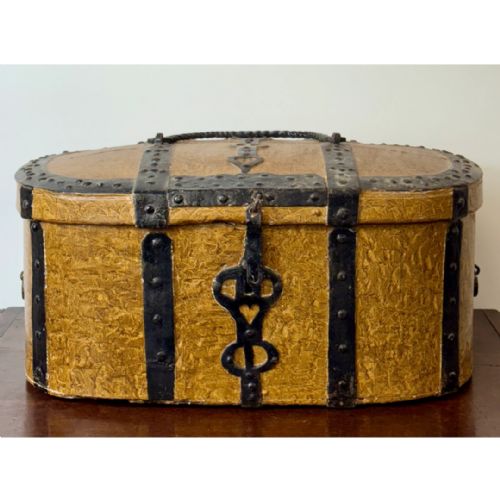
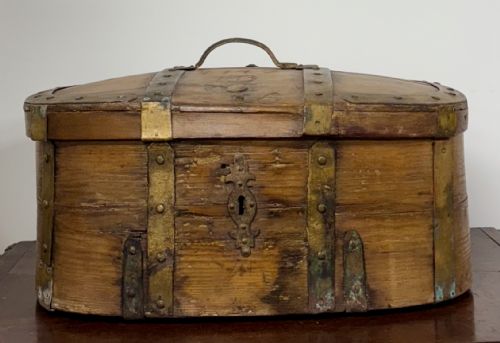
The selections span distinct cultural expressions, from Georgian satinwood and mahogany tea caddies to rustic Scandinavian painted pine strong boxes. These forms served specific domestic roles, housing precious tea leaves, documents, or personal items securely.
Examples range from grand George III inlaid specimens to folk art pieces finished with hand-painted surfaces. Each piece reflects the aesthetic priorities of its period, whether the crisp geometry of Neoclassical design or the robust utility of Scandinavian country traditions.
How they were made
Cabinetmakers utilised dense timbers such as mahogany, satinwood, walnut, and pine, selecting them for stability and grain figure. Construction methods involved careful bending of wood for curved walls, jointing, and meticulous timber preparation.
Surface treatments included hand-applied pigments, clear polish, and intricate inlay using boxwood and harewood. Iron and wrought iron bands or hinges provided structural reinforcement on utilitarian strong boxes and trunks.
Oval Wooden Box Retail Price Guide 2026
Typical asking prices for oval wooden box among the pieces listed under this phrase on Sellingantiques today, from the lower quarter to the upper quarter. They describe what is for sale here now, not the wider market.
Some nineteenth century strong boxes wear coats of green paint so cheerful they must have survived despite themselves.
What varies in quality
The distinction between tiers rests upon timber selection and the precision of decorative execution. Superior examples display highly figured veneers, balanced proportions, and finely integrated inlay work.
In painted Scandinavian pieces, the preservation and skill of the original surface finish dictate the standing of the object. Robust construction methods and the survival of original hardware further distinguish finer examples.
The Oval Wooden Box Glossary
- Tea caddy
- A small storage box designed to hold tea leaves securely. These vessels often featured internal compartments and locking lids.
- Strong box
- A robust storage chest built for secure containment of valuables and documents. They frequently incorporated iron reinforcement and heavy locks.
- Inlay
- A decorative technique where pieces of contrasting wood are inserted into a recessed surface. This method created geometric or botanical motifs on refined boxes.
- Bentwood
- Wood that has been steamed or heated to bend into curved shapes. This technique formed the continuous walls of certain storage boxes.
- Harewood
- Sycamore wood that has been stained to a greyish tone. Sheraton designers favoured this timber for delicate contrasting details.
Oval Wooden Box: Frequently Asked Questions
What did they store inside?
These boxes served various domestic storage needs depending on their specific form. Tea caddies held expensive imported leaves, while strong boxes protected documents and currency.
Larger trunks and chests accommodated textiles, personal belongings, or provisions. Their contents reflected the wealth and daily routines of their original owners.
How do I date them?
Dating relies on timber choices, construction techniques, and stylistic markers associated with specific periods. Georgian pieces often display mahogany or satinwood with refined classical veneers.
Nineteenth-century items may show painted folk art finishes or robust iron mounts. Comparing hardware styles and joinery methods helps establish a reliable timeline.
Where were they made?
Production centres spanned British cabinet workshops and Scandinavian rural communities. British makers focused on refined urban furniture styles for domestic parlours.
Scandinavian makers produced sturdy pine and bentwood strong boxes finished with hand-painted folk motifs. Each regional tradition imparted distinct aesthetic characteristics.
How do I care for wood?
Preservation requires stable environmental conditions away from direct sunlight and strong heat sources. Consistent humidity prevents timber from splitting or warping over time.
Gentle dusting with a dry cloth protects delicate surfaces and historic finishes. Avoid modern chemical polishes that can degrade aged wood and paint.