

Oval Wall Frame
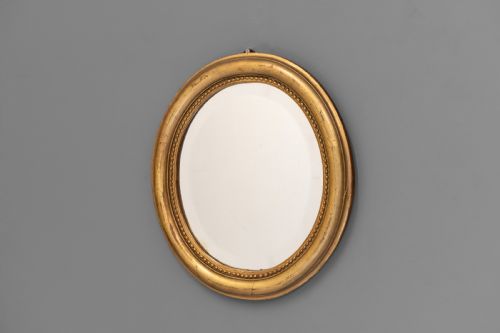
An oval wall frame focuses the eye entirely, bringing balance to a room through curved wooden moulding, gilt gesso or cast metal.
Oval Wall Frame
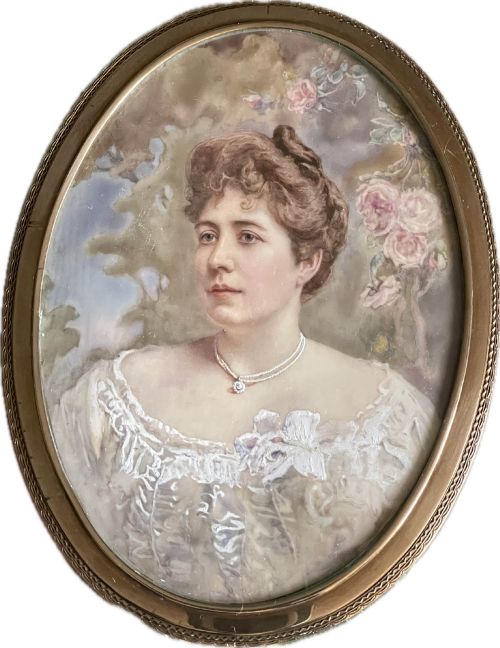
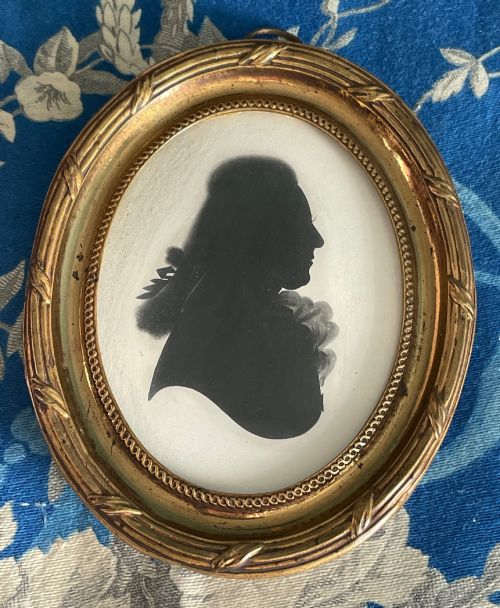
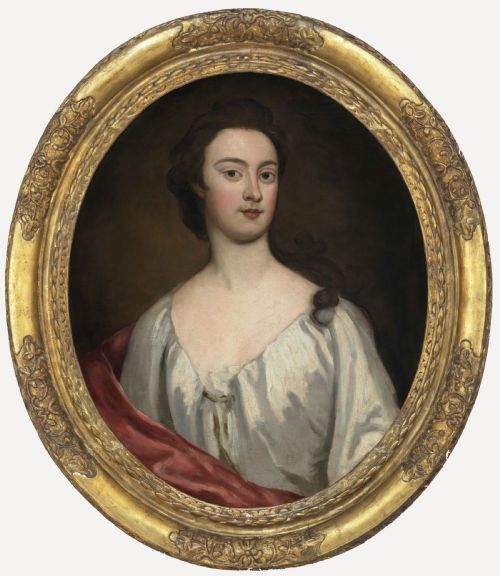
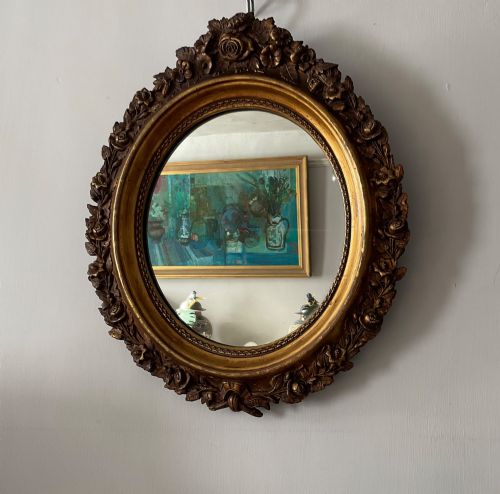
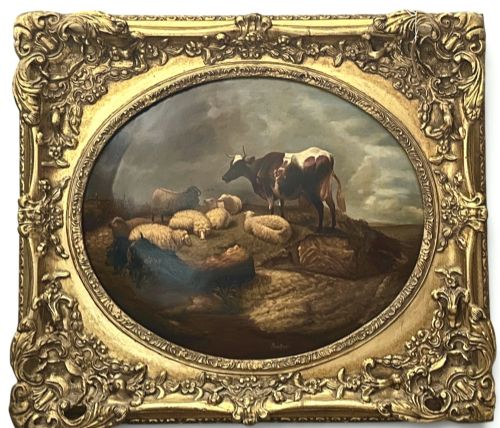
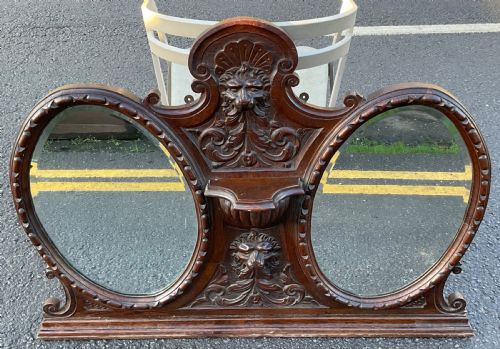
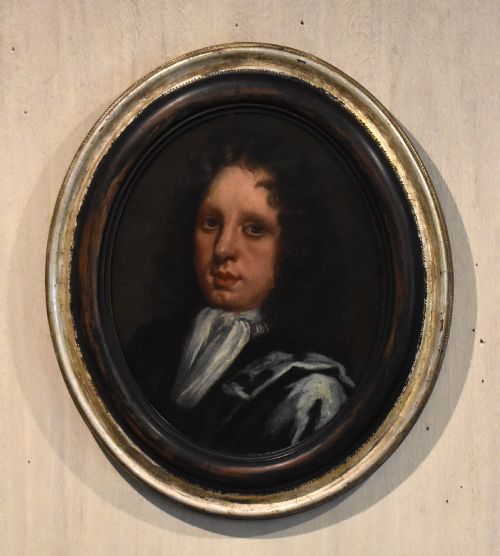
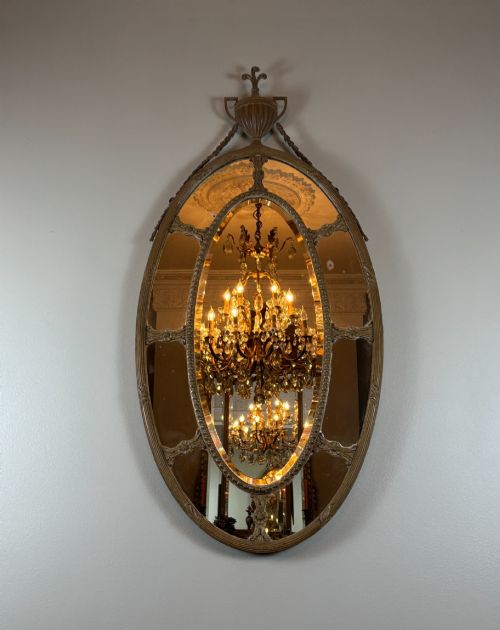
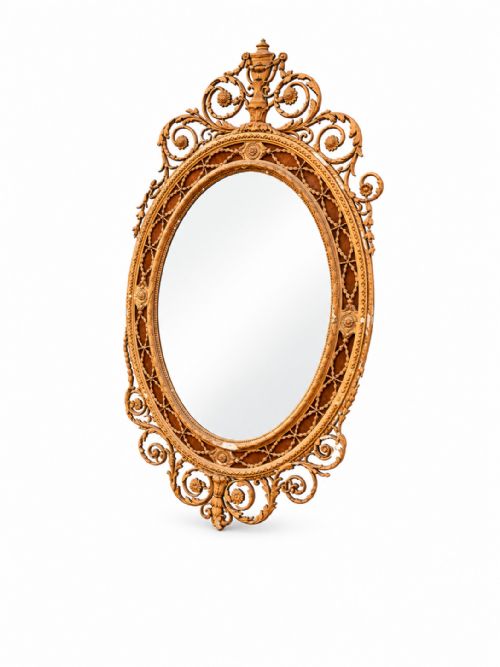
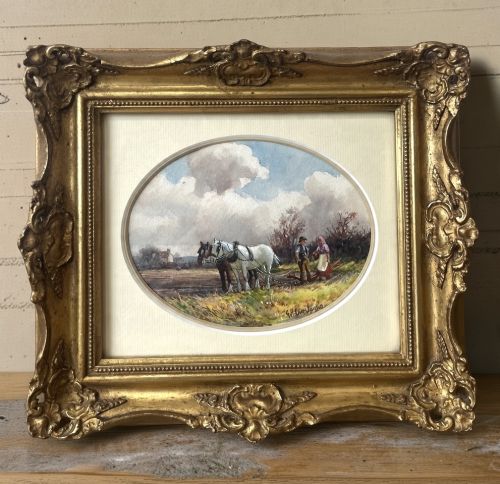
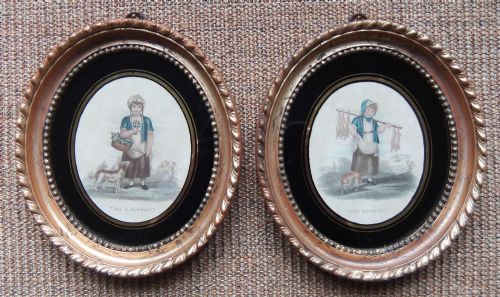
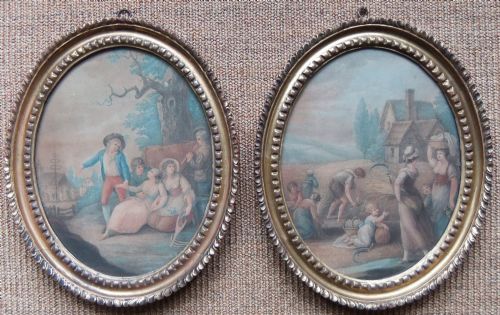
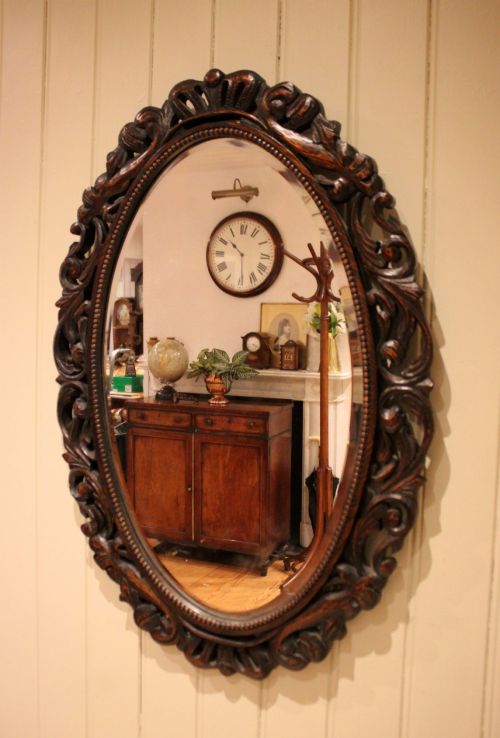
An oval wall frame serves to enclose and present portrait paintings, mirrors and prints across centuries of interior design. When searching for an oval wall frame, buyers typically encounter carved wooden mirror plates and framed oil portraits spanning from the seventeenth century through to the Edwardian period.
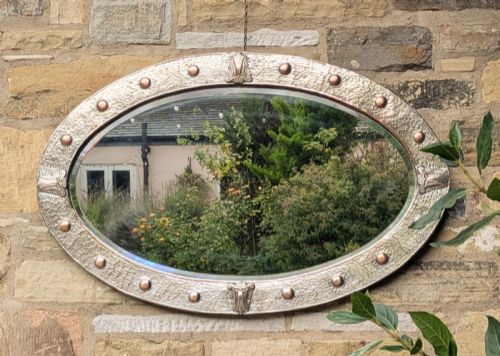
The selection ranges from grand giltwood looking glasses of the Georgian and Regency eras to Arts and Crafts hammered metal surrounds and Edwardian carved oak pieces. These items bring distinct curvilinear geometry to wall spaces, contrasting sharply with standard rectangular formats.
How they were made
Makers constructed wooden frames using joined segments of timber, often layering gesso over carved pine, oak or mahogany to build up relief ornamentation. Giltwood examples received thin applications of gold leaf laid over a prepared bole base, which artisans then burnished to achieve a brilliant metallic sheen.
Cast metals and carved plaster provide alternative weights and surface textures, particularly in Victorian girandoles and French Revival pieces. Canvas paintings and mirrors were fitted precisely to the curved rebate behind moulded bezels, secured with traditional wooden backing boards and fixings.
Oval Wall Frame Retail Price Guide 2026
Typical asking prices for oval wall frame among the pieces listed under this phrase on Sellingantiques today, from the lower quarter to the upper quarter. They describe what is for sale here now, not the wider market.
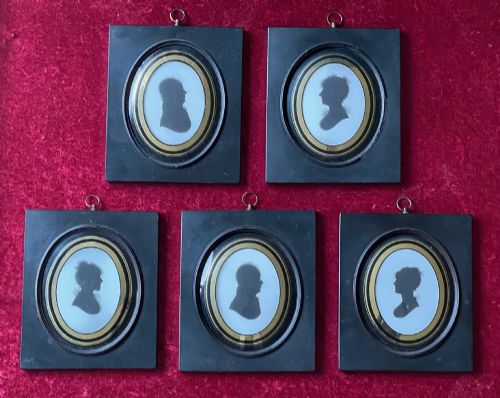
Several portraits within these oval frames depict subjects peering sideways, maintaining a perpetual side-eye glance across the centuries.
What varies in quality
The standard of a frame rests on the crispness of its carved detail and the integrity of its surface finish. Hand-carved wooden ornament displays depth and undercut definition, whereas moulded composition or plaster substitutes often appear uniform and soft.
Original gilding shows tonal variation and wear that reveals the reddish gesso underneath, indicating age and hand-finishing. Frames that retain their original glass, backboards and structural joinery command greater appreciation among discerning collectors.
James Ferguson·Anna Tonelli·John Russell R.A.·Joseph Vivienne·Charles Jervas·Thomas Murray·Jeremiah Davison·Sir Godfrey Kneller·John Smith·Dumini Leopoldo·Vincent Clare·Allan Ramsey
The Oval Wall Frame Glossary
- Giltwood
- Timber coated with gold leaf over a prepared gesso ground. This technique creates a luminous, durable finish characteristic of high-status mirrors and frames.
- Gesso
- A plaster mixture applied to wood frames to provide a smooth base for carving or gilding. Artisans model fine relief patterns directly into this pliable layer.
- Girandole
- A decorative wall mirror featuring integrated candle sconces. The candle arms reflect additional light into the room.
- Rebate
- The recessed channel on the inner edge of a frame designed to hold the glass, canvas or panel securely in place.
- Portrait miniature
- A small-scale painted portrait, frequently housed in an intimate oval frame for personal display or travel.
Oval Wall Frame: Frequently Asked Questions
How do I hang a heavy antique oval frame safely?
Heavy carved timber and giltwood frames require robust wall fixings anchored directly into studs or masonry rather than relying solely on plasterboard. Utilise a traditional two-point hanging wire system attached securely to the structural sides of the frame to distribute weight evenly.
Ensure the hanging cord or chain has minimal slack so the piece sits flush against the vertical surface without tilting forward. Period mirrors and large oil paintings demand particular care due to their substantial mass.
Are these frames suitable for modern interiors?
Curvilinear frames introduce soft geometric contrast against straight architectural lines, making them versatile additions to contemporary rooms. An antique carved wood or gilt surround acts as a strong focal point above a mantelpiece or console table.
Mixing period frames with modern artwork or plain walls highlights the craftsmanship of the moulding. The organic shape prevents large wall spaces from feeling stark.
How do I tell an 18th-century frame from a 19th-century revival piece?
Seventeenth and eighteenth-century frames typically display hand-carved joinery, pegged corners and layered gesso that shows natural shrinkage cracks beneath the gold leaf. Revival pieces from the Victorian era often utilise composition ornaments pressed into moulds rather than carved timber.
Examining the reverse side reveals tool marks, timber ageing and fastener types consistent with specific historic periods. Stylistic cues such as Regency proportions or Arts and Crafts hammered textures also aid in dating.
Can I replace the glass in an antique oval mirror?
Original mirror glass frequently exhibits charming foxing, slight distortion and dark spots that confirm its age and authenticity. Replacing historical glass removes part of the object's character and documentary value.
If replacement is necessary due to damage, source specialist silvered glass cut precisely to fit the curved rebate. Professional glaziers can secure the new plate using traditional methods that protect the antique wooden frame.