

Oval Portrait Art
Oval portrait art captures individual likenesses within curved borders, offering intimacy and historical presence through painted miniatures and canvases.
Oval Portrait Art
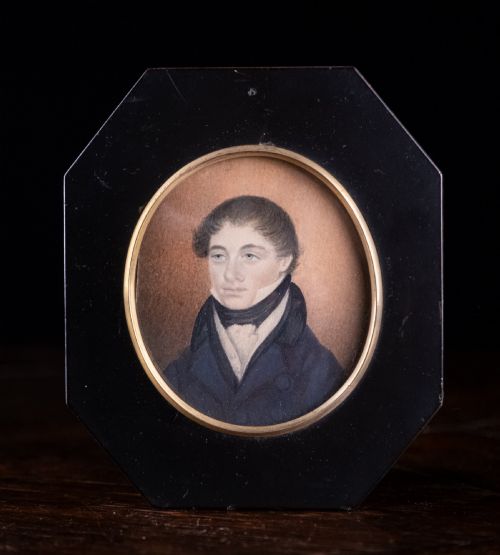
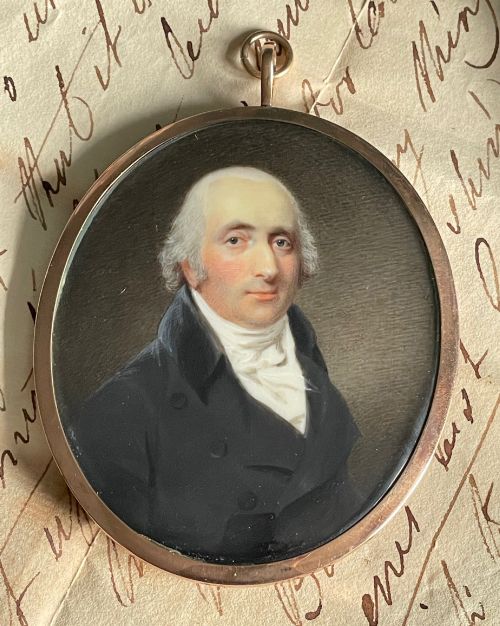
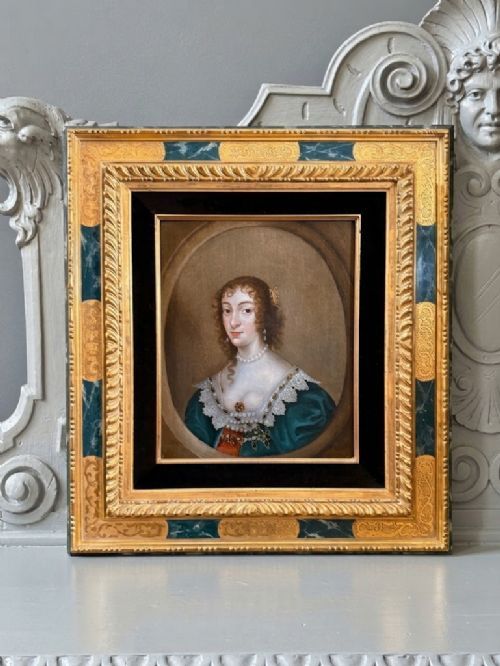
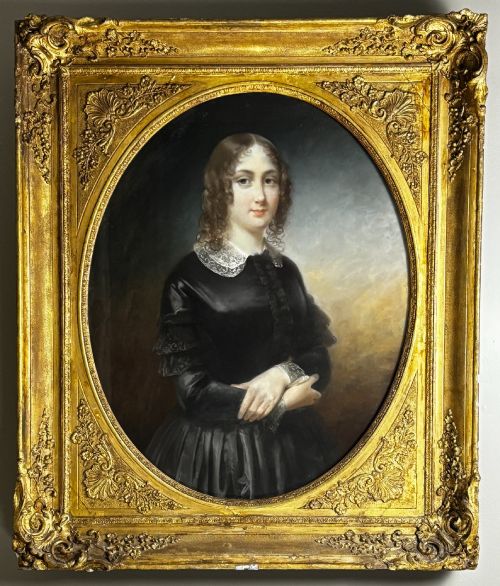
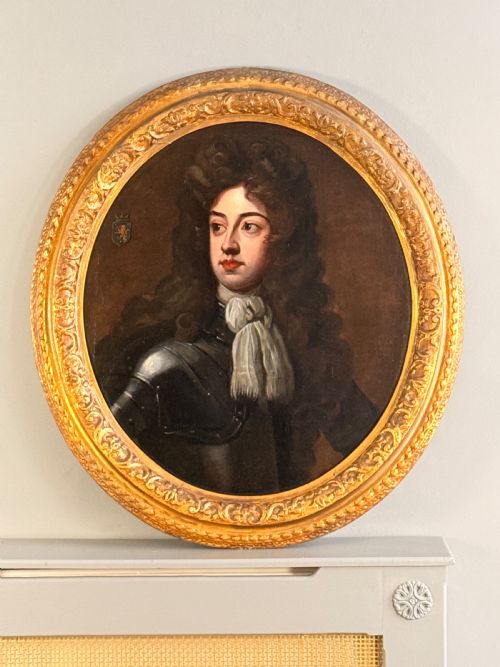
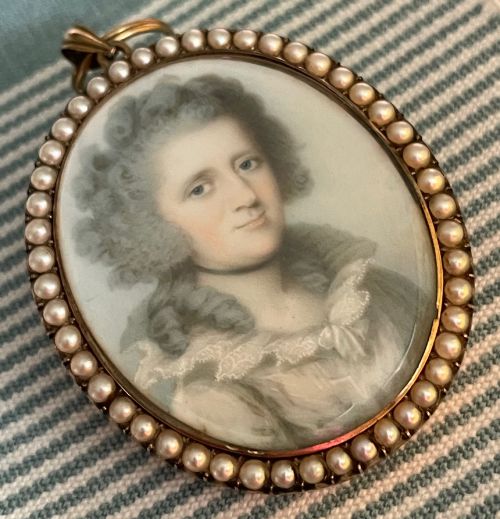
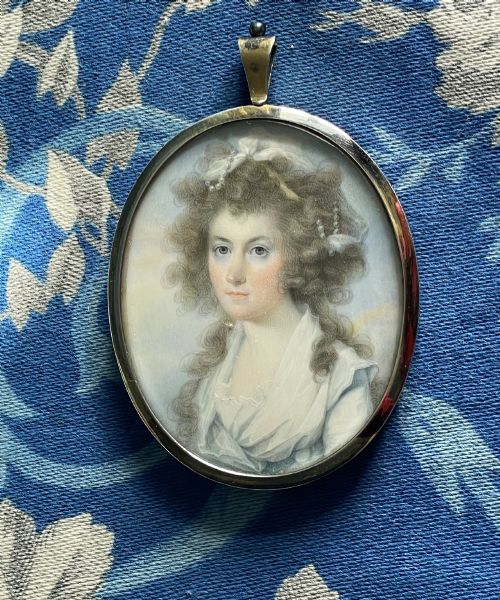
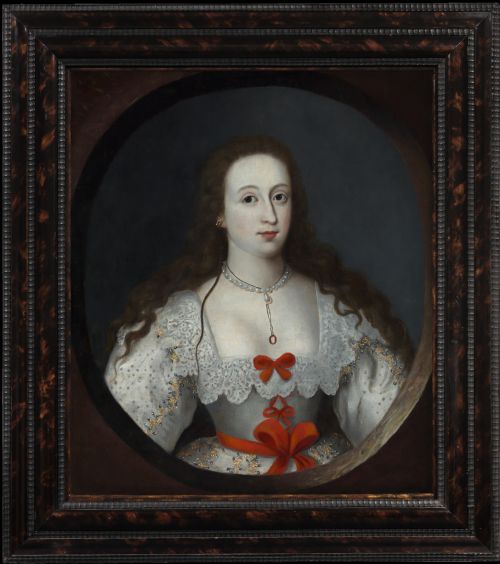
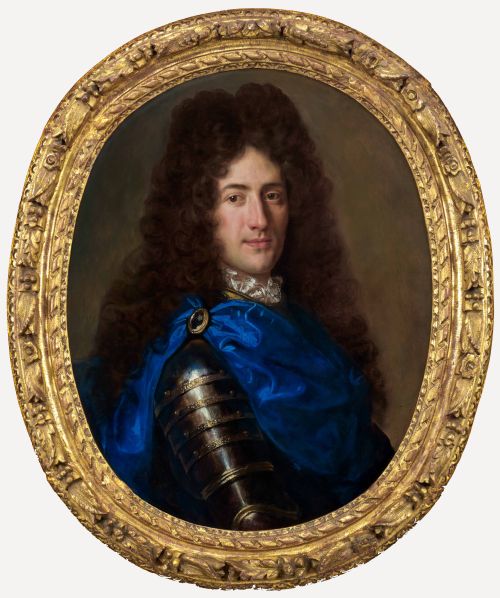
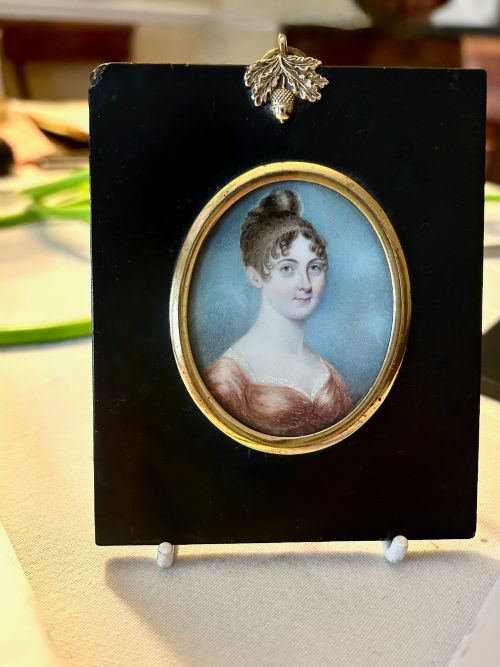
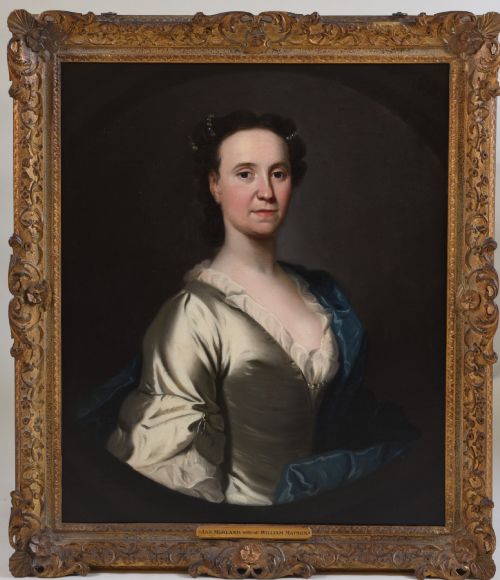
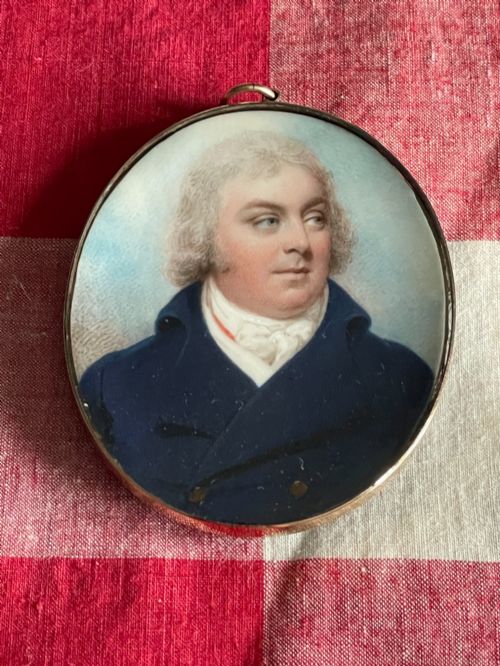
When buyers search for oval portrait art, they encounter framed depictions of historical figures, gentlemen, and ladies rendered in oil, watercolour, or pastel. These pieces span centuries of portraiture traditions, originating from seventeenth, eighteenth, and nineteenth-century workshops.
The format itself relies on curved boundaries to draw the viewer towards the subject's face, a convention popular across Georgian and Victorian periods. Most examples on this page are oil paintings on canvas or intimate watercolour miniatures designed for close inspection.
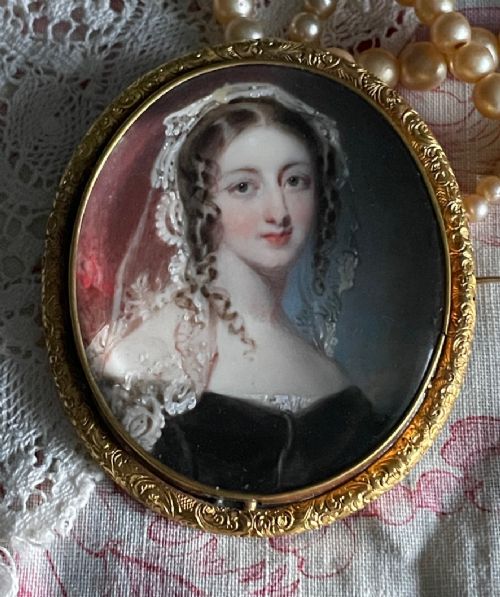
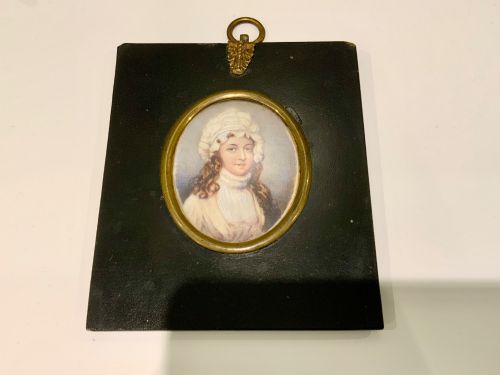
Subjects range from named aristocracy and military officers to unidentified country girls and children, capturing changing fashions in dress, wigs, and accessories over successive reigns and artistic movements.
Materials and techniques
Makers utilised oil paint on canvas for larger formats, building deep tones through layered glazes, while watercolour and pastel found favour for smaller portable works on paper or ivory. The curved wooden and giltwood frames were constructed specifically to enclose these distinctive shapes.
Miniaturists applied microscopic brushwork often requiring protective glass coverings, whereas canvas painters handled broader strokes to depict elaborate robes, lace collars, and powdered periwigs characteristic of Baroque and Georgian aesthetics.
Oval Portrait Art Retail Price Guide 2026
Typical asking prices for oval portrait art among the pieces listed under this phrase on Sellingantiques today, from the lower quarter to the upper quarter. They describe what is for sale here now, not the wider market.
Several gentlemen gaze outward while wearing massive powdered periwigs that easily dwarf the actual proportions of their shoulders.
Distinctions in quality
The ability of the artist to render lifelike flesh tones, fabric textures, and expressive eyes separates accomplished works from ordinary output. Superior pieces demonstrate confident draughtsmanship in facial structure and hands, rather than relying on formulaic expressions.
The preservation of the original pigments, minimal surface cracking in oil layers, and the retention of period-correct giltwood frames contribute significantly to the standing of a piece within its historical category.
Anna Tonelli·John Russell·Joseph Vivienne·Michael Dahl·Thomas Murray·Sir Godfrey Kneller·Charles Jervas·Frederick Buck·Thomas Beach·Jeremiah Davison·Francois Boucher·David Scougall·James Sharples·Mary Beale·John Scougall·Leon Sprinck·John Vanderbank
The Oval Portrait Art Glossary
- Portrait miniature
- A small-scale painting, frequently executed in watercolour on ivory or vellum, intended for personal portability and close viewing.
- Giltwood
- Wood carved and coated with gold leaf or gold paint, commonly utilised for ornate antique picture frames.
- Pastel
- A dry medium composed of powdered pigment and a binder, pressed into sticks and applied to paper to create soft portraits.
- Periwig
- An elaborate artificial hair wig worn by men of high social standing during the seventeenth and eighteenth centuries.
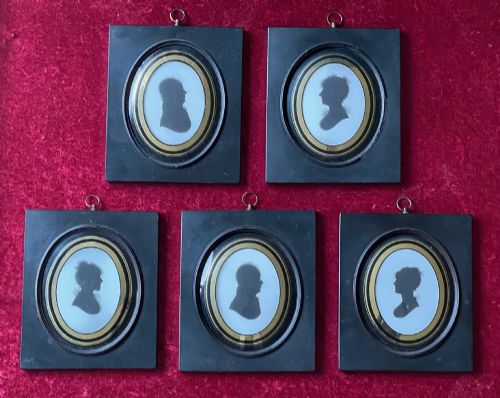
- Reverse painted silhouette
- A profile likeness painted directly onto the underside of glass, often backed with foil or fabric to create contrast.
Oval Portrait Art: Frequently Asked Questions
How were oval portraits displayed?
Larger oil paintings in oval frames hung upon panelled walls in country houses and town residences, establishing lineage and status for visiting guests.
Smaller miniatures stayed tucked inside travel cases or hung in intimate private chambers where owners could examine them closely.
How do I date a portrait?
Clothing styles, hairstyles, and wigs provide the most reliable clues for determining the decade in which a portrait was painted.
Collars, coats, and headwear changed rapidly across the seventeenth, eighteenth, and nineteenth centuries.
Are these works original?
The pieces listed comprise authentic period works, ranging from seventeenth-century canvases to Victorian watercolours.
Descriptions note whether a piece is an original painting or a later historical record.