



Oval Mount Portrait
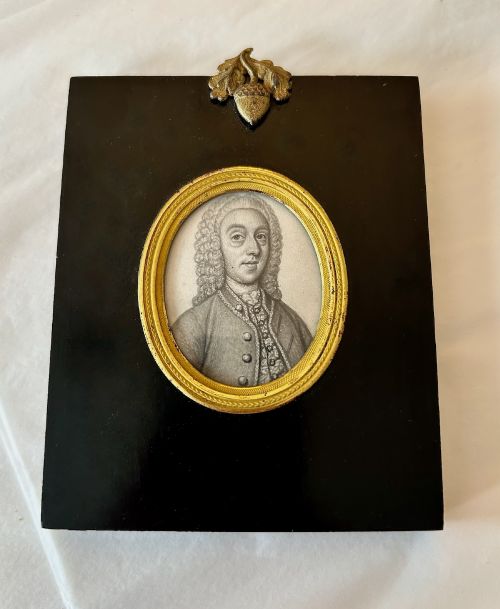
An oval mount portrait frames the sitter within a distinct curved boundary, offering a glimpse into past lives through miniatures, oils, watercolours and pastels.
Oval Mount Portrait
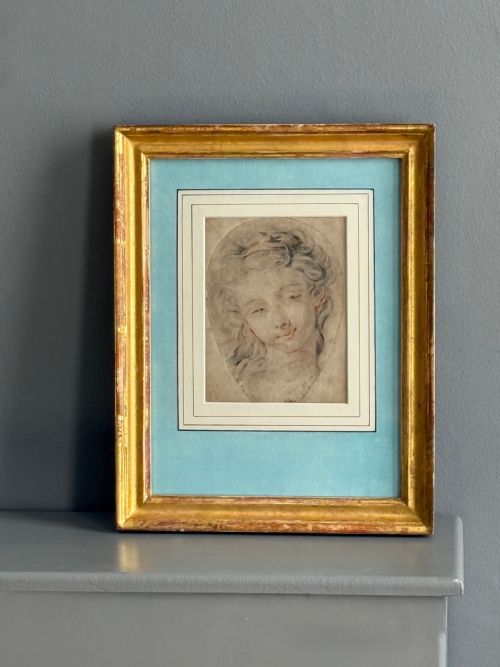
When you search for an oval mount portrait, you encounter framed artworks and miniatures designed to focus attention squarely upon the sitter. These pieces span the eighteenth, nineteenth and early twentieth centuries, capturing subjects in oil, watercolour, pastel, pencil, enamel and engraving.
The selection ranges from intimate portrait miniatures housed in silver or maple frames to larger oil paintings on canvas and panel. Stylistically, the pieces draw upon Georgian, Victorian, Edwardian, Regency and Chinoiserie traditions, often echoing the work of prominent academic painters.
Originating from diverse settings, including domestic British commissions and work painted in India, these portraits reflect the varied social spheres of their subjects. A buyer meets everything from detailed studies of children and young ladies to formal depictions of historical figures.
How they were made
Makers utilised traditional supports such as canvas, paper, wood, glass and ivory, applying pigments in oil, watercolour, pastel or enamel. The physical construction frequently involves bespoke mounts and protective glazing that shape the visual presentation of the subject.
Gilt wood, plain wood, maple and silver frames provide structural support and aesthetic contrast to the painted surface. Artists employed fine brushwork for miniatures and broader strokes for canvas works, sealing the composition behind glass or securing it within rigid surrounds.
Oval Mount Portrait Retail Price Guide 2026
Typical asking prices for oval mount portrait among the pieces listed under this phrase on Sellingantiques today, from the lower quarter to the upper quarter. They describe what is for sale here now, not the wider market.
The listings span from the eighteenth century through the Edwardian era, incorporating materials such as gold, silver, ivory, glass, paper and oil on canvas.
What varies in quality
The degree of anatomical precision and psychological depth in the subject's expression distinguishes finer examples from simpler student or commercial pieces. Skilled handling of light, shadow and texture across the face and garments elevates a portrait.
The integrity and craftsmanship of the surrounding mount or frame contribute significantly to the overall merit of the piece. Period-appropriate materials, such as hallmarked silver, finely turned wood or original giltwood, enhance the physical character of the artwork.
Arthur William Devis·Henry Bone ARA·Robert Kemp·Andrea Soldi·Gerrit Schipper
The Oval Mount Portrait Glossary
- Miniature
- A small-scale portrait, typically painted on ivory, paper, vellum or enamel with meticulous detail. These delicate works were often designed to be carried or worn.
- Enamel
- A material created by fusing powdered glass to a metallic substrate through firing, utilised for durable and glossy miniature portraits. This technique required immense skill to prevent discolouration during kiln firing.
- Giltwood
- Wood carved and coated with a thin layer of gold leaf or metallic powder. It provides a luminous, decorative border that complements formal portraiture.
- Chinoiserie
- A decorative style reflecting European artistic interpretations of Chinese and East Asian motifs. It appears in backgrounds, framing elements or overall aesthetic choices.
- Regency
- An English stylistic period spanning the early nineteenth century, noted for refined neoclassical lines and classical restraint. Portraiture from this era often emphasises clean profiles and subtle drapery.
Oval Mount Portrait: Frequently Asked Questions
How do I care for a portrait miniature?
Keep delicate watercolours, pastels and miniatures away from direct sunlight to prevent the pigments from fading over time. Fluctuations in temperature and humidity can damage paper, wood and ivory supports.
Ensure the protective glass remains sealed and clean the surrounding frame gently with a dry cloth. Avoid using liquid cleaners near the edge of the mount where moisture might seep inside.
Were these portraits meant to be hung or worn?
While larger canvases and framed watercolours were hung on domestic walls, smaller miniatures served different purposes. Many were designed as personal keepsakes to be carried in pockets or worn as brooches.
The inclusion of loops, pins or fitted cases indicates whether a specific piece was intended for wall display or personal adornment. Both formats remained popular across the eighteenth and nineteenth centuries.
How can I tell the period of a frame?
Examine the construction joints, the type of wood and the application of any gilt or silver finish. Georgian and Regency frames often feature hand-carved wooden details, whereas later Victorian and Edwardian examples may utilise machine-tooled elements or specific hallmarked metals.
Backboards, fixings and paper seals on the reverse also provide reliable clues regarding the age of the framing. Original mountings should be assessed alongside the portrait itself for consistency.
What is the difference between pastel and watercolour portraits?
Watercolour involves the application of transparent pigments suspended in a water-based solution onto paper or ivory. This technique allows for fine layering and luminous washes of colour.
Pastel consists of powdered pigment bound into stick form, applied directly to paper or canvas to create a velvety, matte texture. Pastels are particularly vulnerable to disruption and require secure glazing to protect the surface.