
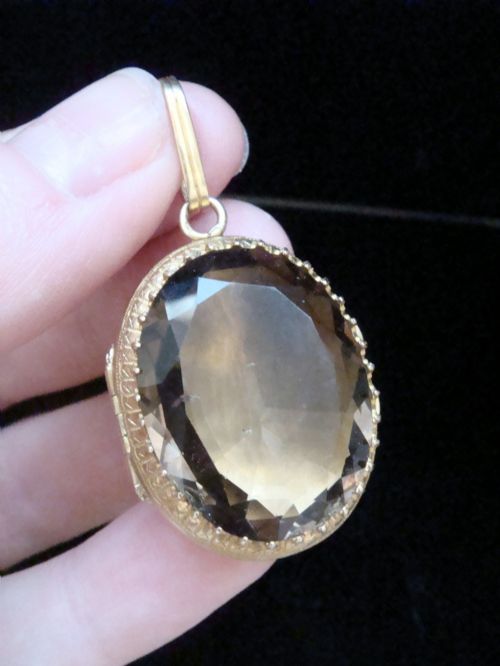
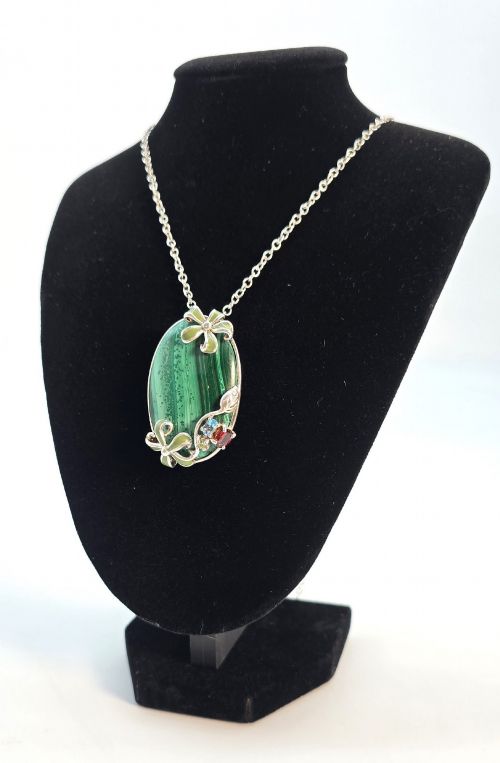


Oval Gemstone Pendant
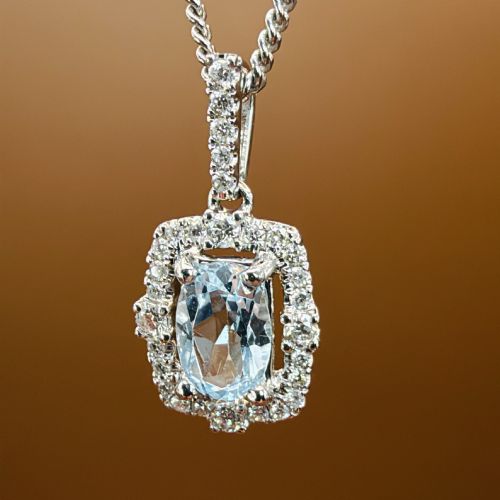
An oval gemstone pendant brings a disciplined drop of colour to the neckline, combining distinct cut stones with precious metal work.
Oval Gemstone Pendant
When you search for an oval gemstone pendant, you encounter pieces that centre around a curved, rounded stone suspended from a chain or collar. These jewels appear across various historical periods, with mid-century and Victorian examples frequently surfacing in current selections.
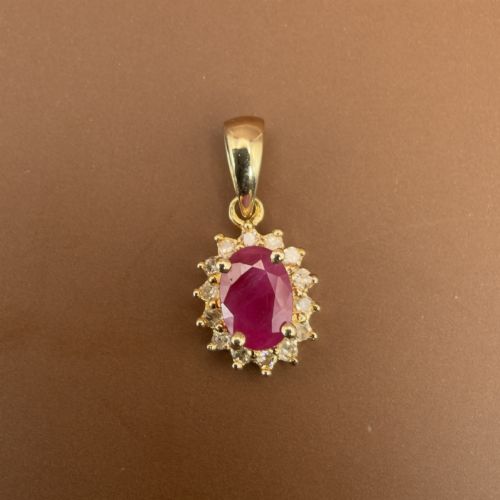
The format ranges from simple solitaire stones in plain settings to intricate cluster designs framed by diamonds. Most options utilise yellow gold or white gold as a base to secure the central mineral.
Makers historically paired the central oval cut with secondary stones such as diamonds or white zircons to enhance the main colour. The resulting pieces function primarily as neck ornaments, though related earrings and brooches occasionally share design traits.
Materials and Construction
Metals such as nine-carat and eighteen-carat gold provide the primary structure for mounting and chains. Jewellers also incorporated platinum and silver into specific Victorian and twentieth-century designs.
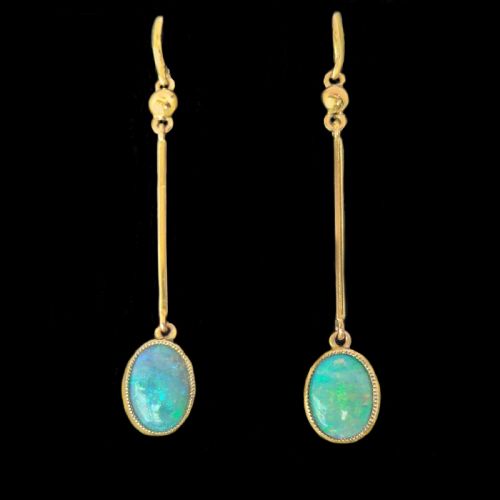
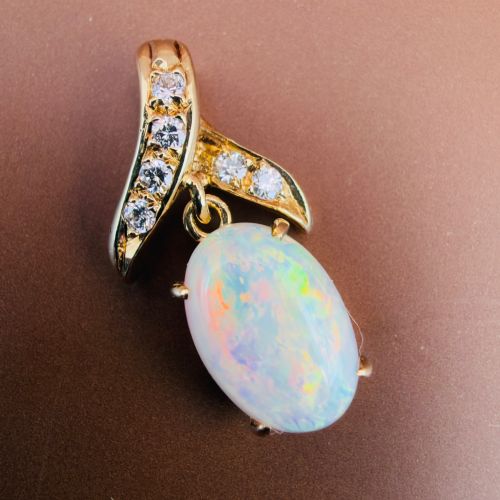
Gems including opals, amethysts, aquamarines and sapphires were shaped into oval cuts or smooth cabochons before being secured in claw or bezel settings. Many examples integrate small diamond accents around the main stone to create cluster arrangements.
Some mid-century opals flash internal greens and blues so vividly they appear to trap seawater inside the gold.
Assessing Craftsmanship and Materials
The depth of colour and clarity within the central gemstone largely dictate the visual impact of the piece. Stones with strong saturation and minimal inclusions command greater visual presence.
Metalwork execution distinguishes standard production from finer benchwork, particularly in the precision of the claw settings and the delicacy of any filigree wirework. Heavier gold weights and integrated stamped hallmarks indicate deliberate, substantial manufacture.
Carl Bucherer
The Oval Gemstone Pendant Glossary
- Cabochon
- A gemstone shaped and polished with a smooth, rounded surface rather than faceted edges. This style highlights the optical phenomena found in opals and star stones.
- Cluster
- An arrangement of smaller stones set closely around a larger central gemstone. This technique maximises overall sparkle and presence on the neckline.
- Bezel
- A collar of metal that wraps around the perimeter of a gemstone to hold it securely in place. It offers a clean, low-profile silhouette compared to traditional claw settings.
- Filigree
- Delicate ornamental work consisting of fine wire twisted and soldered into openwork patterns. This method appears frequently in vintage decorative mountings.
Oval Gemstone Pendant: Frequently Asked Questions
How do I date an oval gemstone pendant?
Dating relies on examining the metal purity marks, the cut of the stones, and the overall construction style. Victorian pieces often feature closed-back settings or distinct gold colours, whereas mid-century examples typically utilise lighter mountings and different claw configurations.
Comparing the design motifs to known historical periods helps narrow down the decade of manufacture. Hallmarks stamped inside the loop or chain ring provide definitive maker and metal information.
What metals are commonly used?
Gold in nine-carat and eighteen-carat purities forms the primary structural material for most surviving pieces. White gold, yellow gold, platinum and silver appear depending on the prevailing fashion of the period.
The choice of metal often complements the hue of the central stone, such as white gold pairing with aquamarines or yellow gold framing opals and citrines.
How should I care for delicate opals?
Opals contain internal water and require protection from sudden temperature extremes, harsh chemicals, and ultrasonic cleaning machines. Wiping them gently with a soft, dry cloth after wear preserves the surface polish.
Store these pieces away from harder jewellery items to prevent scratching the softer mineral structure.
Can I replace the original chain safely?
Replacing a damaged or mismatched chain is a common practice that allows you to wear the pendant at your preferred length. A jeweller can match the metal colour and carat weight to ensure the suspension ring remains secure.
Retaining the original signed or hallmarked chain is advisable if the piece is of notable historical provenance.