
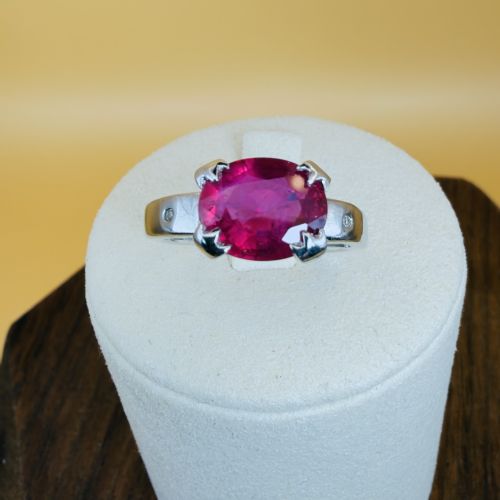
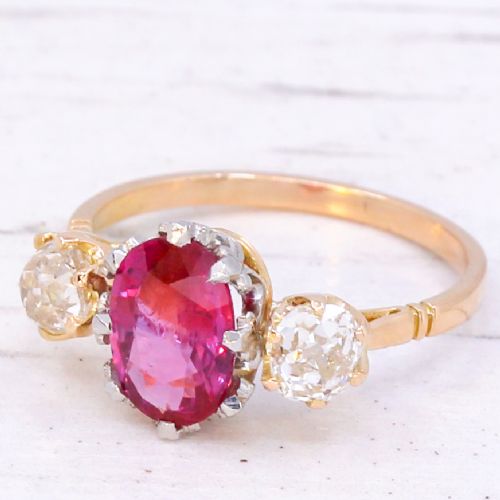
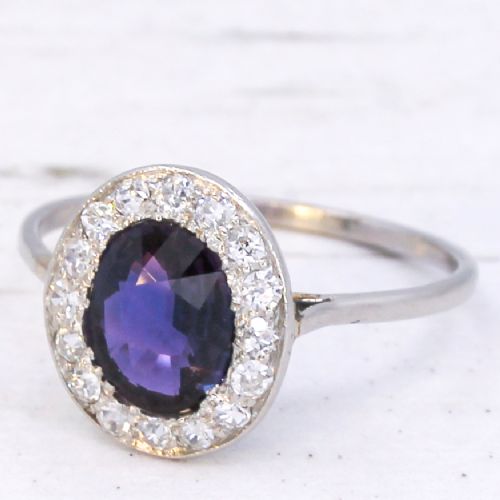
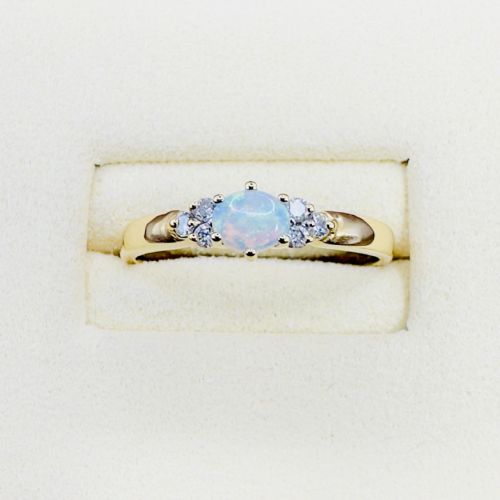
Oval Diamond Ring
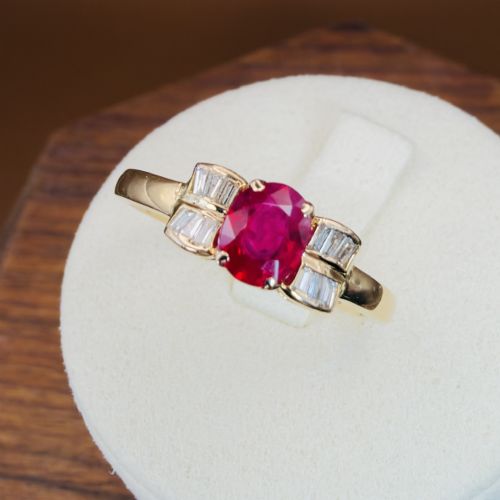
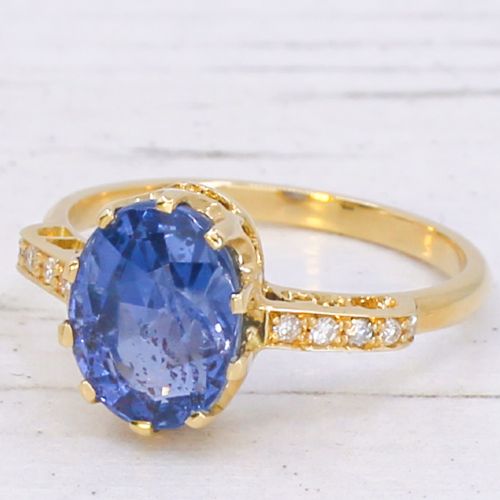
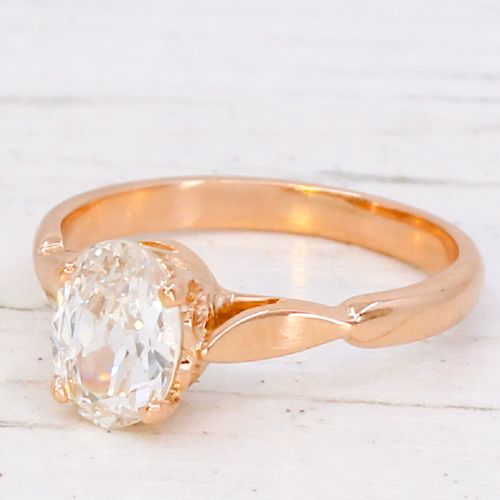
An oval diamond ring brings together graceful finger-elongating proportions and brilliant fire, highly prized for engagement and dress wear alike.

Oval Diamond Ring
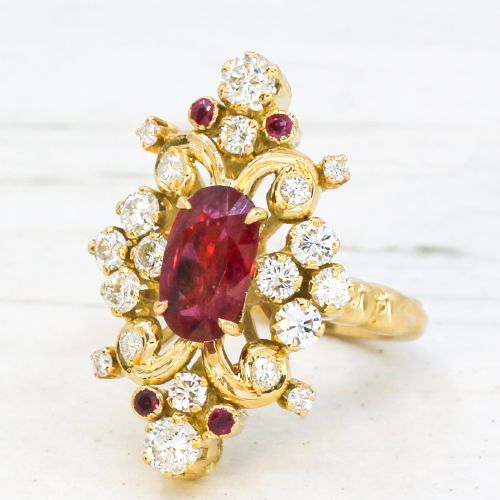
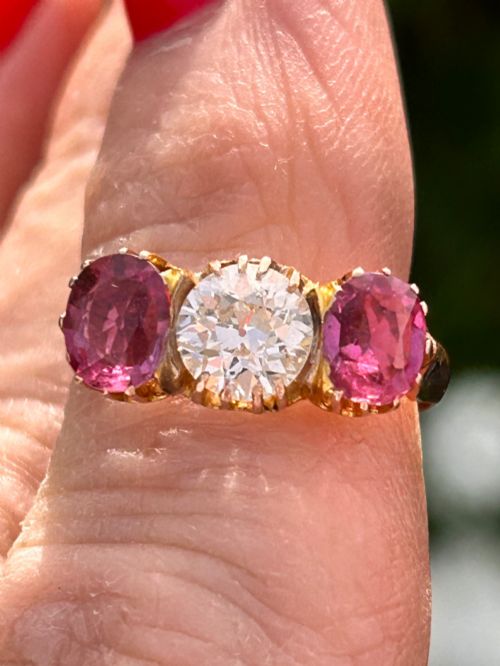
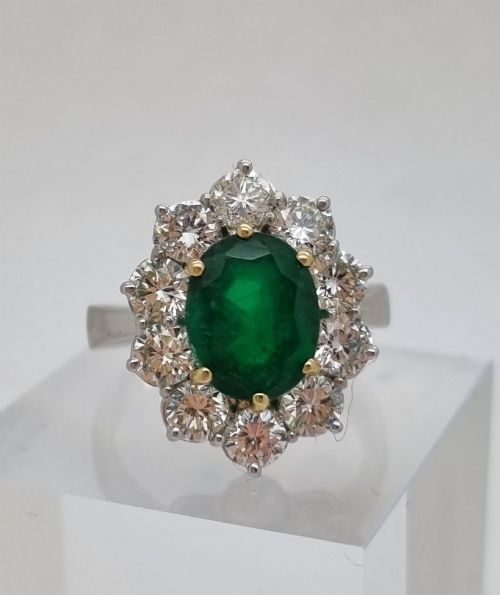
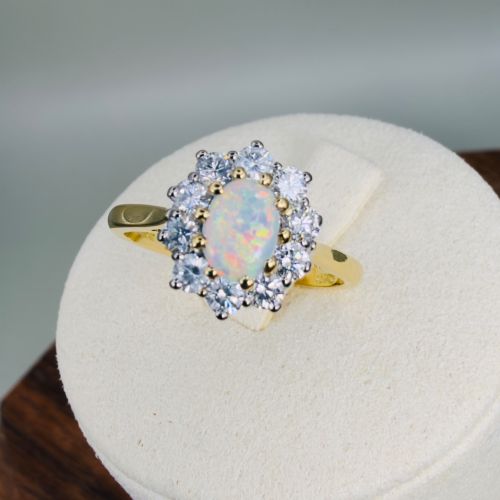
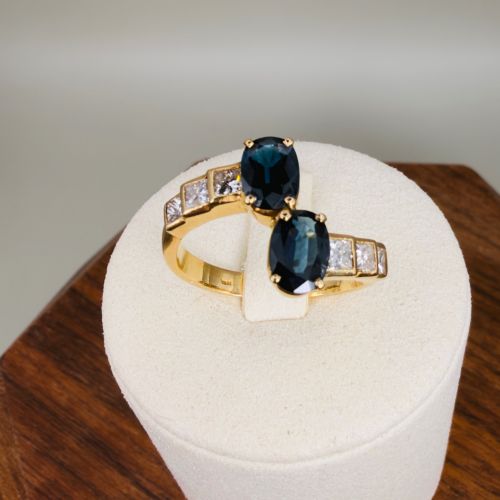
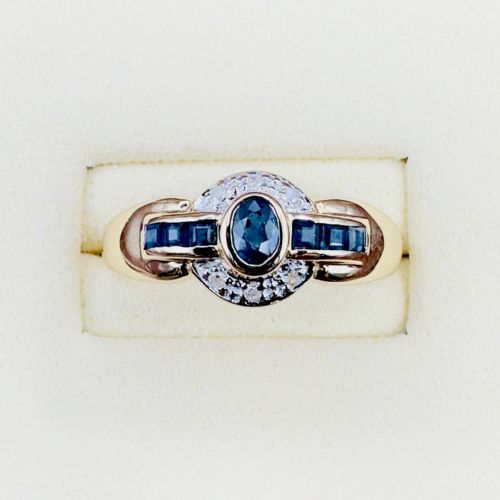
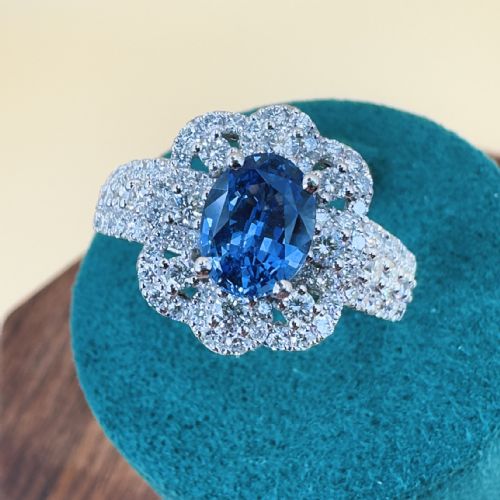
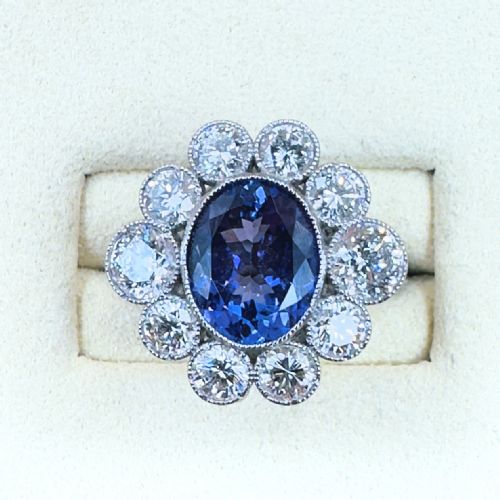
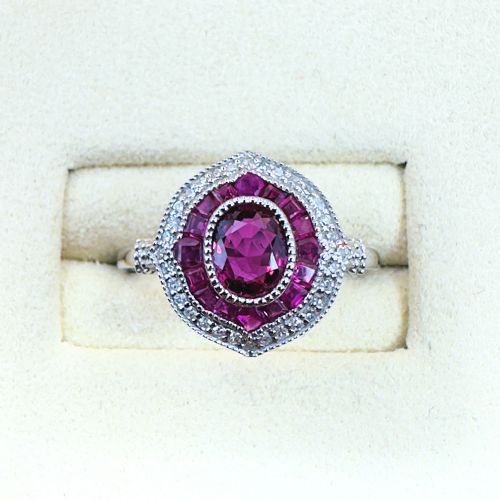
Cluster configurations dominate the available pieces, pairing central oval diamonds or coloured gemstones with sparkling diamond halos. These span Edwardian delicacy, geometric Art Deco styling, and robust mid-century designs created in platinum and various karats of gold.
How they were made
Master jewellers constructed these rings primarily using platinum and yellow, white, or rose gold in nine, fourteen, and eighteen carat purities. Platinum gained popularity for secure claw and bezel settings due to its remarkable strength, allowing for delicate wirework without sacrificing durability.
Gemstones were hand-cut, featuring early brilliant facets, old oval cuts, and step-cut baguettes that catch candlelight differently than modern symmetrical stones. Artisans integrated millegrain edging, pierced galleries, and delicate split shoulders by hand to complete the period aesthetic.
Several rings come with serious paperwork from gemmological labs, proving their stones have enjoyed life without ever visiting a sauna.
What varies in quality
The distinction between ordinary and exceptional examples rests upon the natural quality, origin, and unheated status of accompanying coloured stones alongside diamond clarity. Master lapidaries achieved superior symmetry in old oval cuts, maximising light return and brilliance across the table.
Structural integrity and original mounting work significantly influence overall desirability, separating reworked pieces from those retaining untouched period settings. Hallmarking clarity, balanced cluster proportions, and well-preserved hand-finished millegrain details elevate an individual ring's standing.
Le Vian
The Oval Diamond Ring Glossary
- Cluster Ring
- A ring featuring a prominent central stone surrounded by an enclosing border of smaller gems. This configuration maximises visual presence on the hand.
- Millegrain
- A decorative technique creating a raised border of tiny metal beads along the edges of a setting. It adds textural softness to platinum and gold mountings.
- Old Oval Cut
- An antique precursor to modern brilliant cuts shaped by hand with larger facets and high crowns. These stones display a softer, deeper inner glow.
- Trilogy
- A three-stone ring design symbolising the past, present, and future. Central stones are typically flanked by two matching smaller gems.
- Trillion
- A triangular gemstone cut featuring three straight or slightly curved sides. These are frequently utilised as shoulders beside central oval stones.
Oval Diamond Ring: Frequently Asked Questions
How do I wear a cluster ring?
Cluster rings make striking standalone pieces on the hand due to their wide visual footprint and surrounding gemstone halos. Their intricate profile suits special occasions and daily wear alike.
When pairing with wedding bands, consider low-profile settings or curved bands designed to sit flush against the central cluster without friction.
What is an old oval cut?
An old oval cut refers to vintage diamonds shaped by hand before modern geometric laser precision standardised proportions. These stones possess higher crowns and smaller tables that capture ambient light uniquely.
Their distinctive facet arrangement produces a warm, romantic sparkle quite distinct from contemporary brilliant-cut diamonds.
How are different gold karats used?
Eighteen carat gold provides a rich traditional hue and substantial weight suitable for fine antique mounting work. Lower karats like nine carat offer increased durability for daily wear due to higher alloy content.
White gold and platinum selections became popular during the Edwardian and Art Deco eras to mimic icy, uniform brilliance.
How can I tell the period?
Stylistic motifs offer the clearest indication of era, moving from organic Victorian curves to geometric Edwardian platinum lacework and bold mid-century clusters. Maker marks, assay stamps, and specific gemstone combinations further anchor pieces in their timeline.
Examining the underside galleries and prong construction reveals manual artisan techniques specific to early twentieth-century workshop practices.