

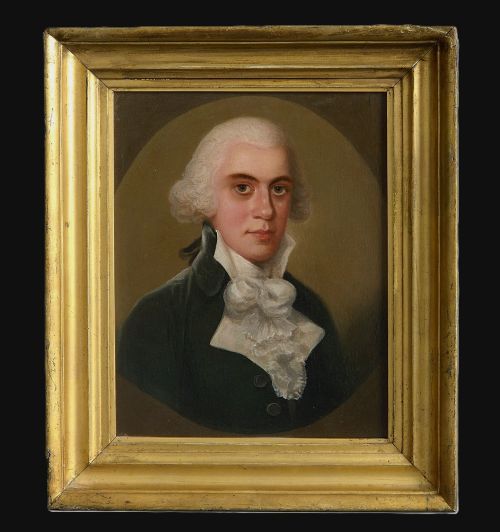
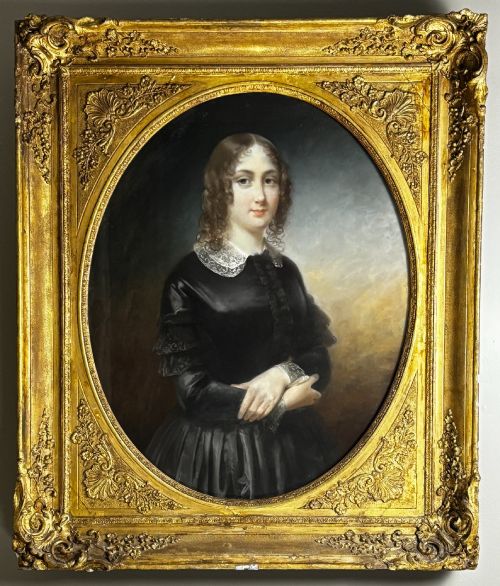
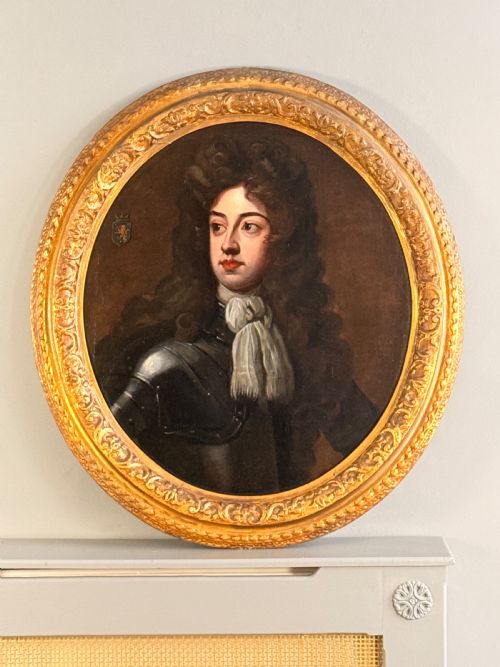
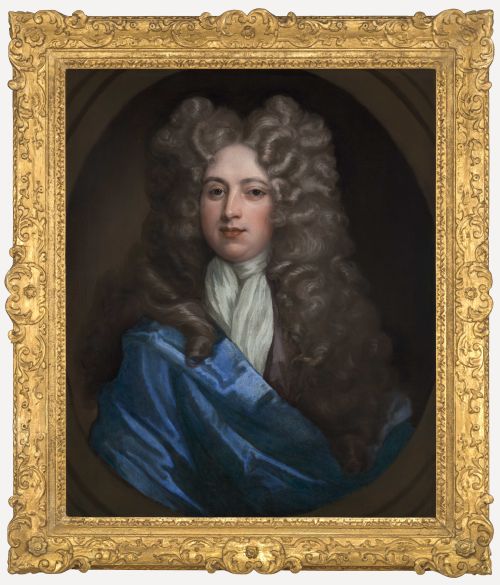
Oval Canvas Painting
An oval canvas painting brings a distinctive curved silhouette to traditional portraiture and landscape art.
Oval Canvas Painting
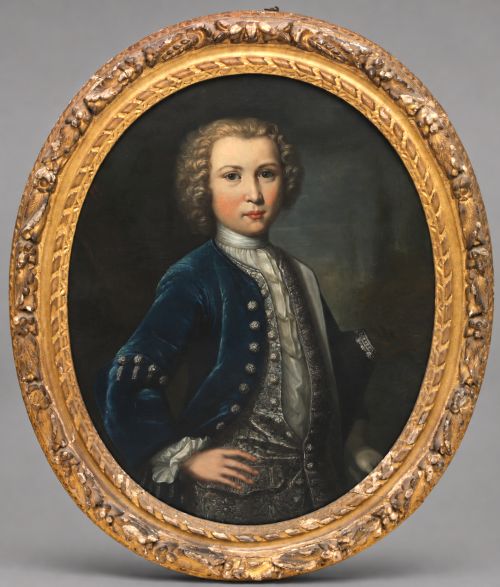
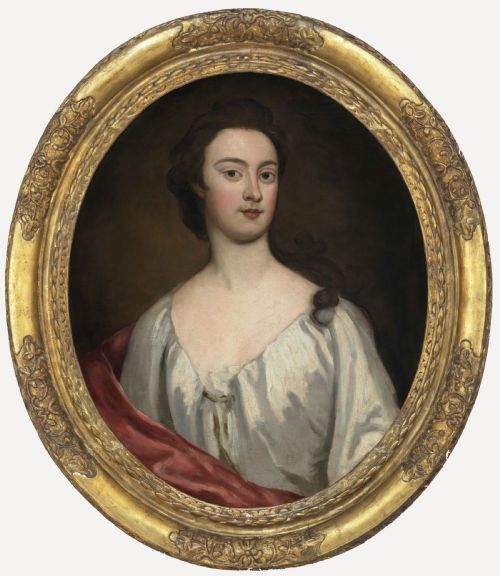
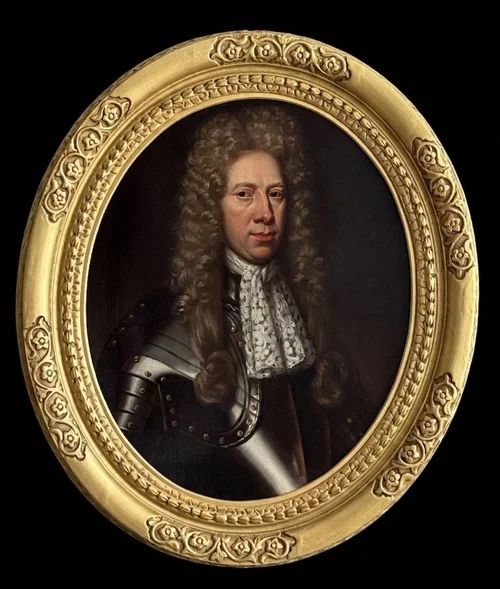
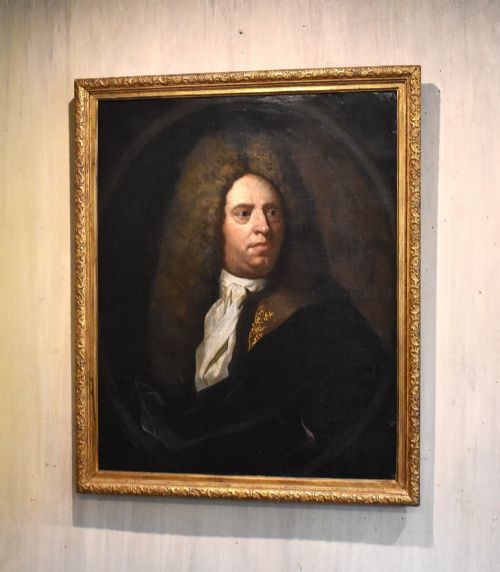
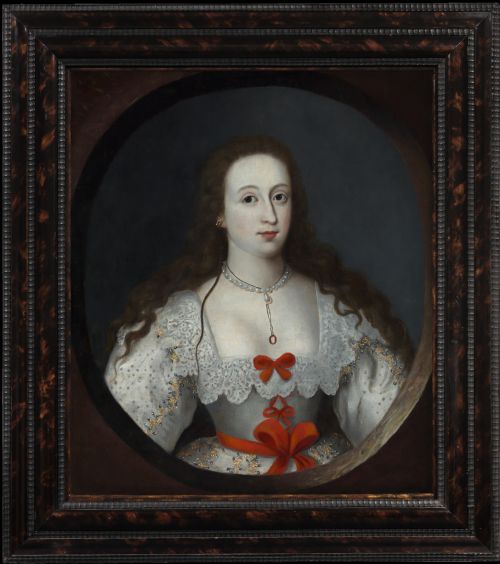
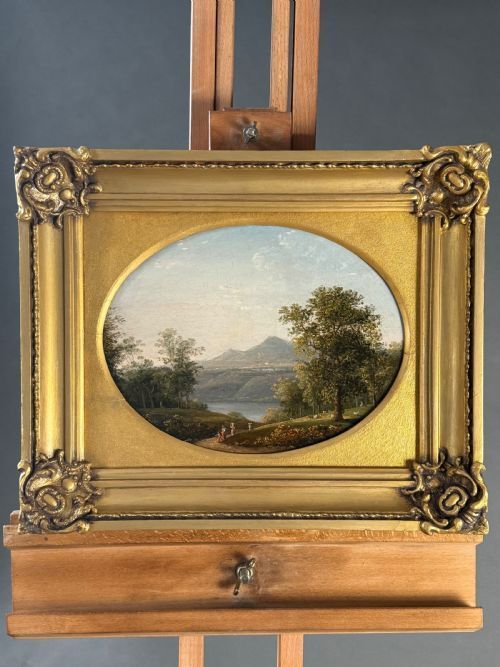
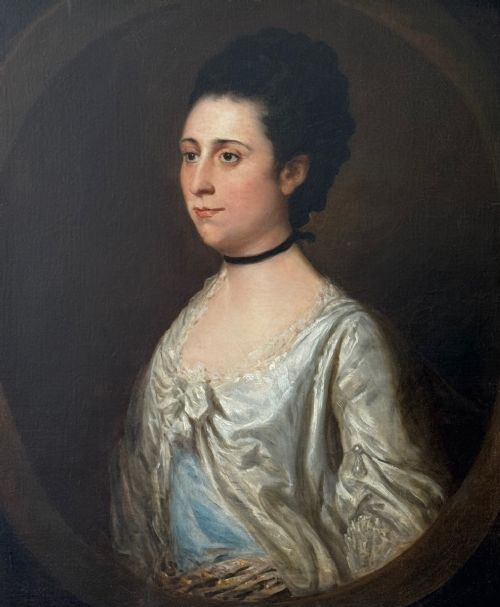
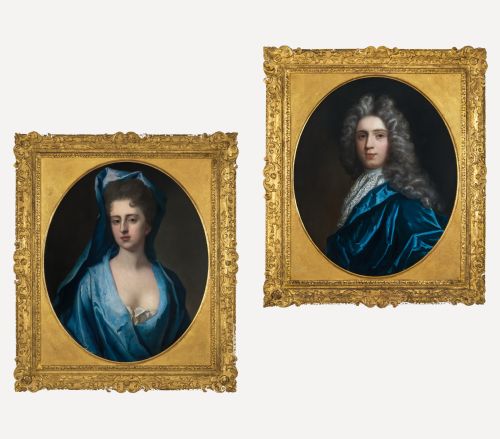
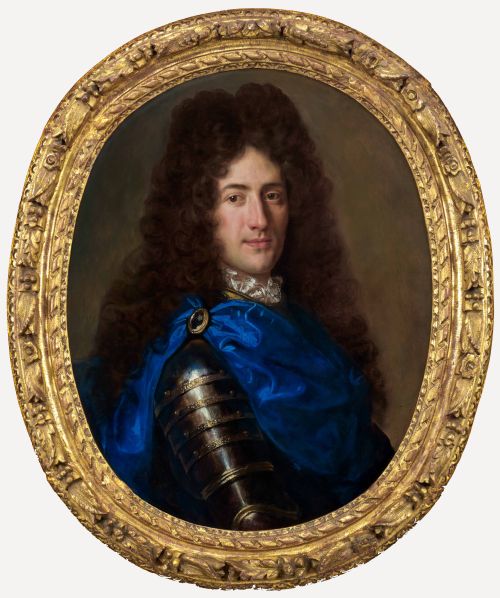
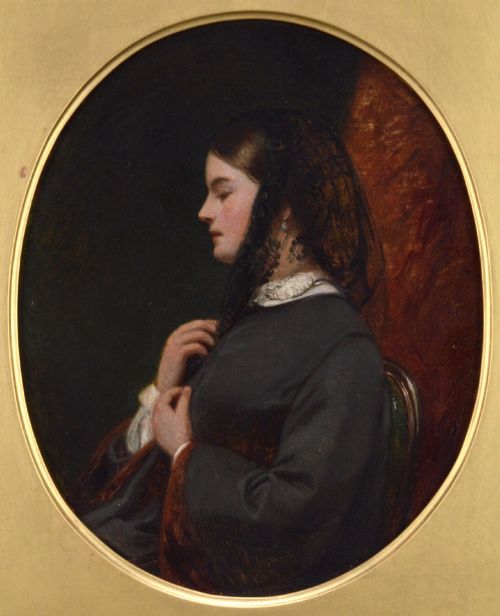
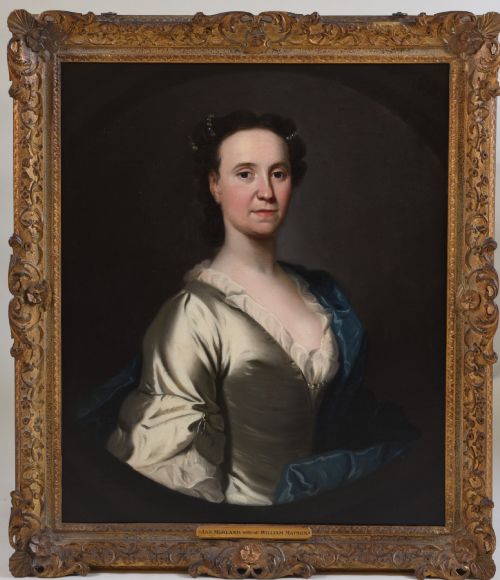
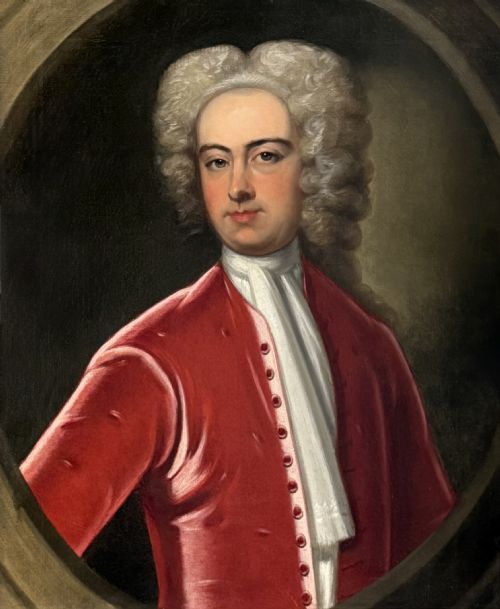
An oval canvas painting presents a curved composition, most frequently encountered as historical portraiture spanning the seventeenth, eighteenth, and nineteenth centuries. The format departs from rectangular norms, offering a soft geometric boundary that naturally draws focus toward the central subject.
The selection ranges from early British and European portraiture depicting gentlemen and ladies to later academic and landscape studies. These works often survive within their period frames, preserving the complete aesthetic intended by the maker.
Materials and construction
The works rely upon oil paint applied to stretched canvas, frequently supported by wooden stretcher frames shaped to the curved format. Giltwood, gold leaf, and wood frames provide the structural boundary and finish for these pieces.
Makers utilised traditional oil techniques, building layers from underpaint to fine glazes on woven canvas. The physical tension required to stretch fabric over a curved wooden frame demands precise craftsmanship to prevent warping over centuries.
Oval Canvas Painting Retail Price Guide 2026
Typical asking prices for oval canvas painting among the pieces listed under this phrase on Sellingantiques today, from the lower quarter to the upper quarter. They describe what is for sale here now, not the wider market.
Listings feature works spanning the 17th century through to the 20th century, executed in oil on canvas with giltwood frames.
Distinctions in quality
Quality rests upon the skill of the brushwork and the anatomical proportion within the painted subject, particularly in portraiture where facial expression and drapery detail define the hand of the maker or school. Finer examples display confident handling of light, shadow, and pigment depth.
The integrity of the canvas and the preservation of the original giltwood or wood frame also influence the overall standard. Pieces retaining their period mountings without heavy overpainting demonstrate superior historical survival.
DAVID SCOUGALL·CHARLES JERVAS·Michael Dahl·Thomas Murray·Mary Beale·JOHN SCOUGALL·THOMAS BEACH·JACOB PHILIPP HACKERT·Joseph Vivienne·Jeremiah Davison·Arthur Percy Dixon·Arthur William Devis·Costantino Frixione
The Oval Canvas Painting Glossary
- Oil on Canvas
- Pigments bound in a drying oil medium applied to a woven fabric support. This combination forms the primary medium for the works seen across the centuries.
- Giltwood
- Wood carved and coated with a thin layer of gold leaf or metallic powder. This material frequently frames the curved perimeter of the paintings.
- Baroque
- An artistic style characterised by drama, deep colour contrast, and ornate detail. Works from this period display rich textures and theatrical lighting.
- Georgian
- A period spanning the eighteenth and early nineteenth centuries in Britain. Portraiture from this era often exhibits refined elegance and distinct costume details.
- Portraiture
- The representation of a particular person, group, or animal. This genre dominates the available historical works in curved formats.
Oval Canvas Painting: Frequently Asked Questions
How do I hang an oval canvas painting?
The curved frame requires a secure wall fixing that matches the weight of the wood and gesso structure. Ensure the hanging wire or brackets on the reverse distribute the load evenly.
Position the piece at eye level where the curved geometry complements surrounding rectangular furniture or architectural lines.
Are these paintings stretched over custom frames?
The canvas is fixed to a curved wooden stretcher designed specifically to maintain the tension of the fabric. This internal framework holds the distinct shape without sagging.
Matching the canvas to its original frame ensures proper alignment and preserves the historical integrity of the piece.
What periods do these paintings represent?
The works span multiple centuries, with significant representation from the seventeenth and eighteenth eras through to the Victorian period. Earlier examples often feature Baroque portraiture.
Later nineteenth-century and twentieth-century pieces introduce landscapes and still life studies alongside traditional portrait subjects.
How should I clean an antique oil painting?
Dust accumulation should be removed gently with a soft, dry brush without applying pressure to the canvas surface. Avoid using water or liquid cleaners on the paint layer.
Professional conservation is required for deep cleaning or removing discoloured varnish to protect the underlying oil pigments.