



Oval Brass Frame
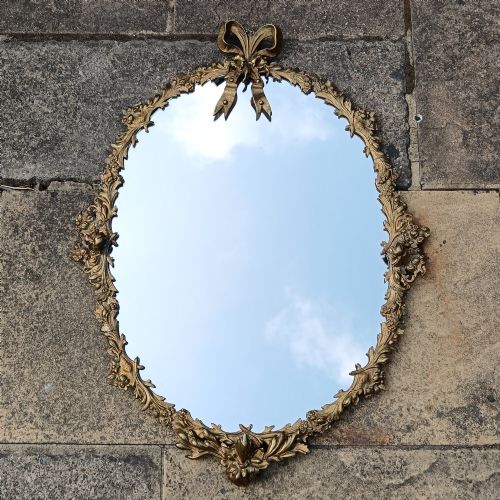
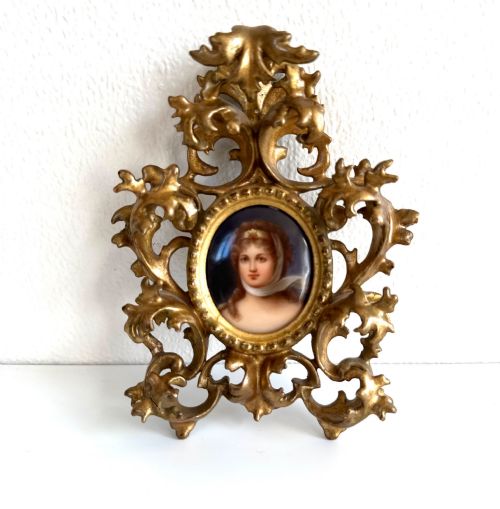
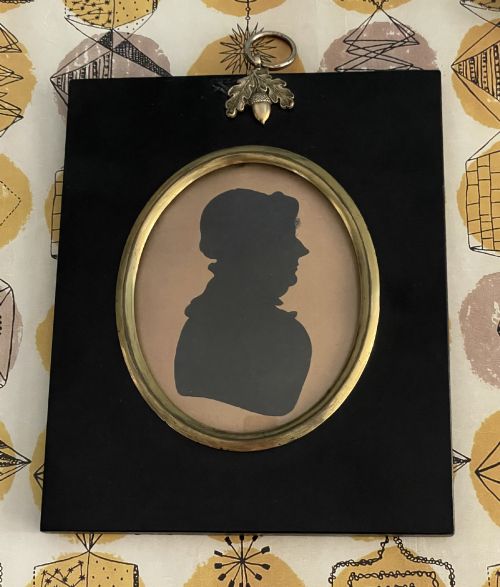
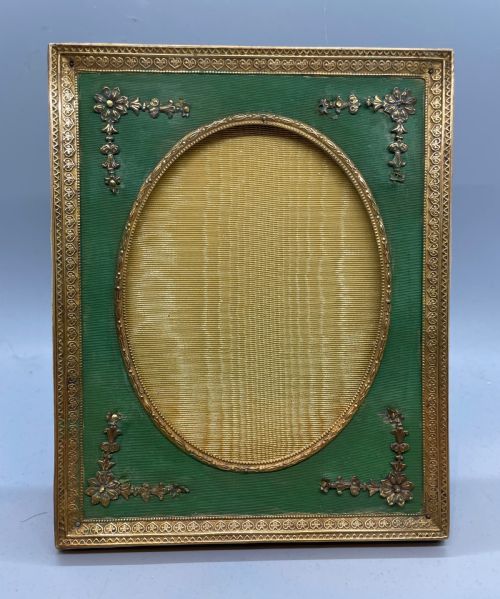
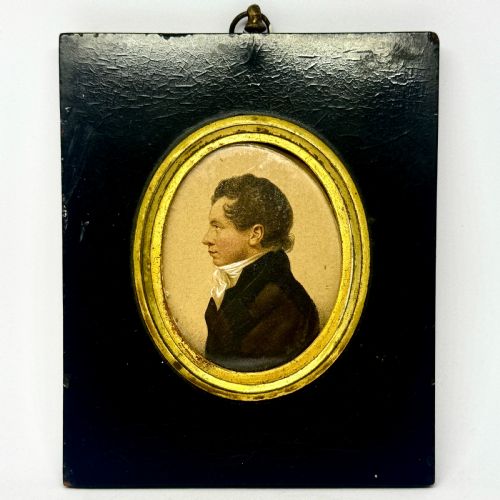
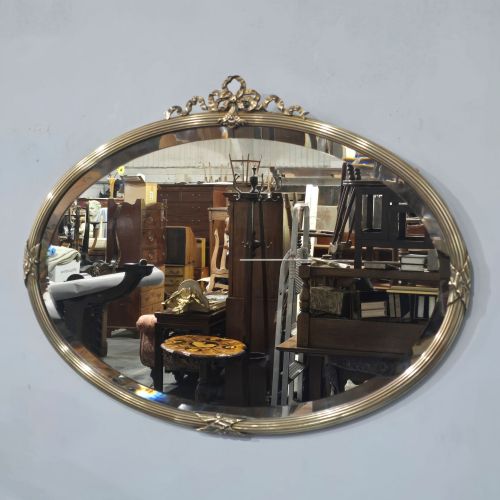
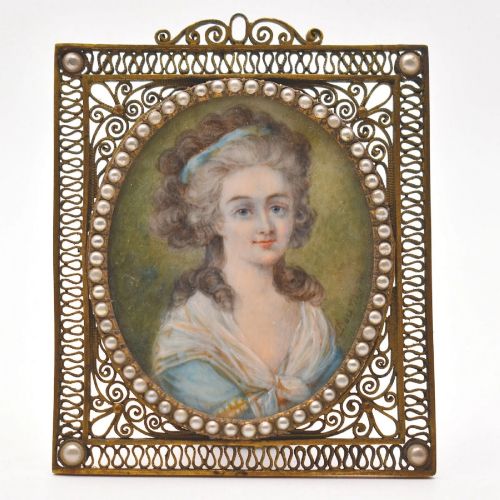
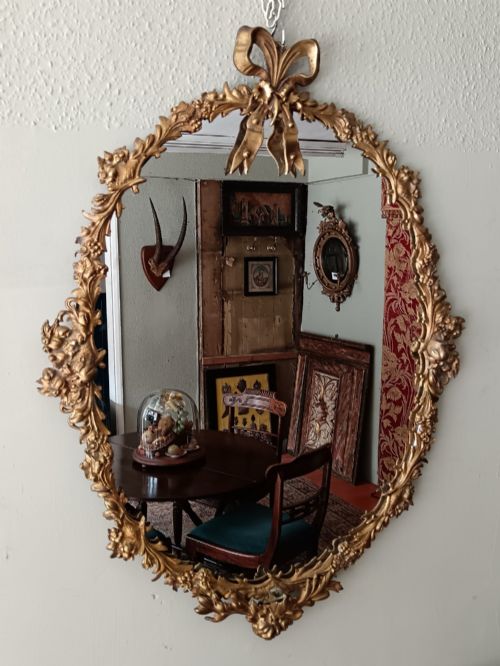
An oval brass frame encloses miniature portraits, wall mirrors, and photographic studies with distinct period character.
Oval Brass Frame
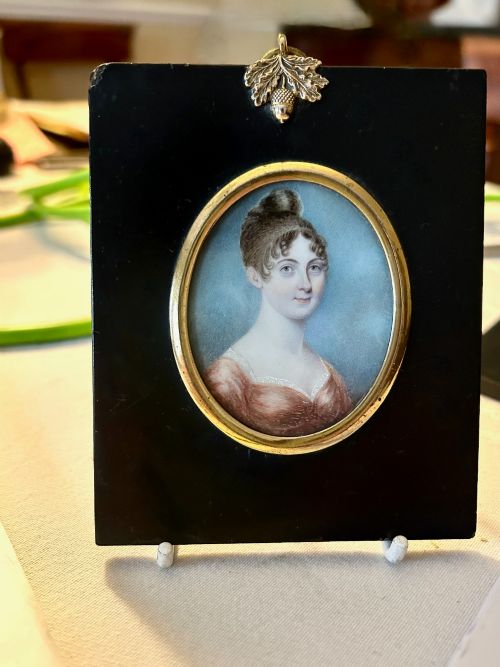
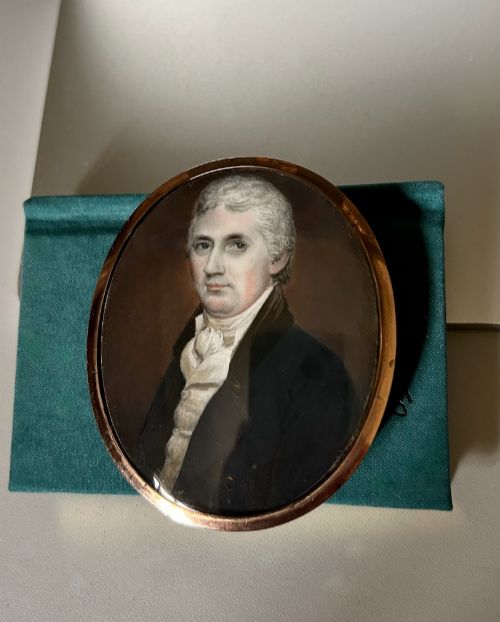
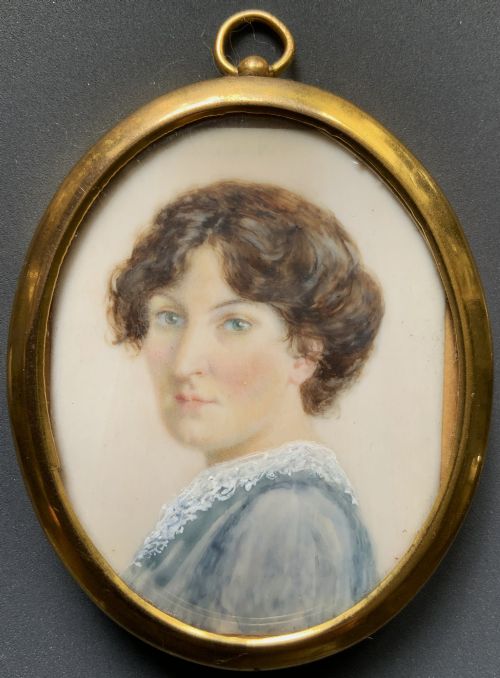
An oval brass frame houses small works of art including portrait miniatures, silhouettes, and wall mirrors. These items span the Georgian, Regency, Victorian, and Edwardian eras, reflecting changing domestic interior tastes.
The selections on this page concentrate heavily on picture frames, wall mirrors, and portrait miniatures set within metal borders. Buyers encounter French Louis XVI revival wall mirrors alongside British silhouette portraits and Edwardian photograph holders.
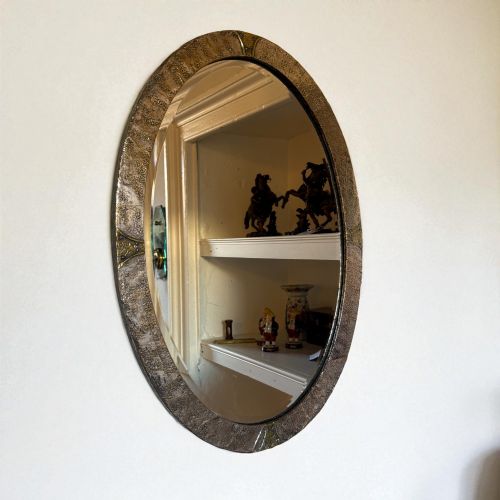
Forms range from simple hand-hammered Arts and Crafts metalwork to ornate ormolu and gilt bronze creations. Each piece serves either to display a small painting or silhouette, or to function as a compact wall mirror.
How they were made
Metals such as brass, ormolu, gilt bronze, and gilt metal form the structural perimeters of these objects, often shaped through casting or hand-hammering. Arts and Crafts examples display visible tool marks from the beating process, whereas French revival mirrors utilise intricate cast ornamentation.
Glass protects delicate paper watercolours, enamel plaques, and ivory portrait miniatures housed within the metal surrounds. Wood and ebonised frames occasionally complement the metal housings, while paper, card, and plaster support the silhouette portraits.
Oval Brass Frame Retail Price Guide 2026
Typical asking prices for oval brass frame among the pieces listed under this phrase on Sellingantiques today, from the lower quarter to the upper quarter. They describe what is for sale here now, not the wider market.
Peacocks flank the metal sides of one Arts and Crafts mirror, watching over the glass with steady metallic gaze.
What varies in quality
The crispness of the cast or hand-hammered metalwork distinguishes superior examples from simpler production pieces. Refined chasing on ormolu and gilt bronze displays sharper relief and greater depth than standard stamped metal.
The quality of the interior contents dictates the overall importance of the object, whether an expertly painted watercolour miniature on ivory or a finely executed silhouette. Original glass and intact backing boards maintain the integrity of the piece.
James Gillespie·John Miers·Archibald Skirving·George Atkinson
The Oval Brass Frame Glossary
- Ormolu
- Gilded bronze or brass applied to decorative hardware and picture frames. This technique was widely utilised in French furnishings and decorative objects during the nineteenth century.
- Silhouette
- A profile portrait filled in with a solid dark colour, typically cut from paper or painted on plaster. These likenesses gained popularity during the Georgian and Regency periods.
- Portrait miniature
- A small, highly detailed painting executed on ivory, vellum, or card. These works often reside in small metal cases designed for portable display.
- Enamel plaque
- A small plate decorated with melted glass powder fused to a metal base through firing. Eighteenth-century examples frequently feature hand-painted portrait subjects.
- Pinchbeck
- An alloy of copper and zinc resembling gold, developed to create affordable jewellery and small decorative frames. It offers a warm metallic tone without precious metal content.
Oval Brass Frame: Frequently Asked Questions
How do I hang a heavy brass mirror?
Wall mirrors require secure fixings anchored directly into wall studs or solid masonry using appropriate wall plugs. The weight of cast brass and glass demands robust support rather than standard picture hooks.
Ensure the hanging wire or integrated wall loops at the rear of the frame distribute the load evenly. Professional mirror hangers provide the safest installation for antique metal frames.
What periods do these frames represent?
The selection spans the eighteenth century through to the Edwardian era, encompassing Georgian, Regency, and Victorian aesthetics. Each period brings distinct metalworking styles, from restrained Georgian profiles to ornate French revival ornamentation.
Stylistic markers such as hand-hammered Arts and Crafts surfaces or Louis XVI gilt bronze casting help align individual pieces with their respective decades.
How should I clean antique brass?
Dust metal frames gently with a dry, soft cloth to remove surface particles without disturbing the underlying patina. Avoid abrasive polishes that strip away the aged surface character accumulated over centuries.
Chemical cleaners can damage delicate backing materials, paper silhouettes, or painted miniatures housed within the frame. Professional conservation advice remains best for heavily tarnished or fragile pieces.
Can I replace the glass?
Original glass possesses minor imperfections and historical character that collectors prefer to retain whenever possible. Replacing the pane is necessary only if structural cracking threatens the interior artwork.
Any replacement glass must match the thickness and slight distortion of period panes to maintain authenticity. Old glass should be secured carefully within the original rebate using traditional glazier points.