





Ornithology Art Prints
Ornithology art prints capture feathered subjects with scientific precision and decorative charm, offering buyers a timeless way to bring historical nature studies into domestic interiors.
Ornithology Art Prints
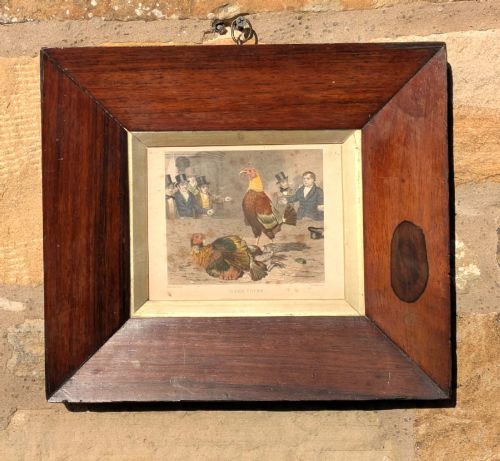
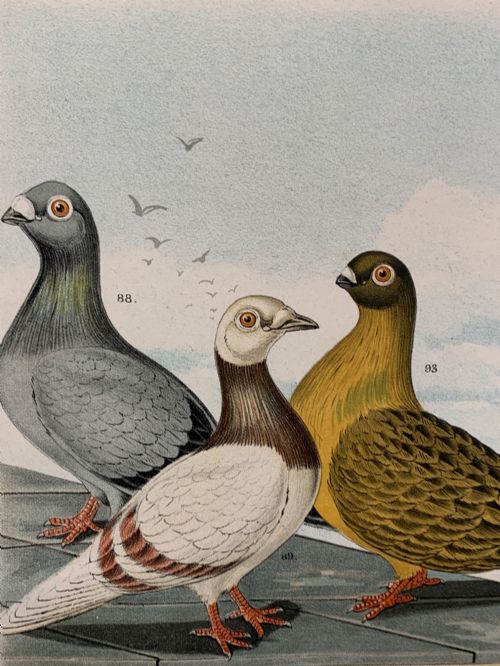
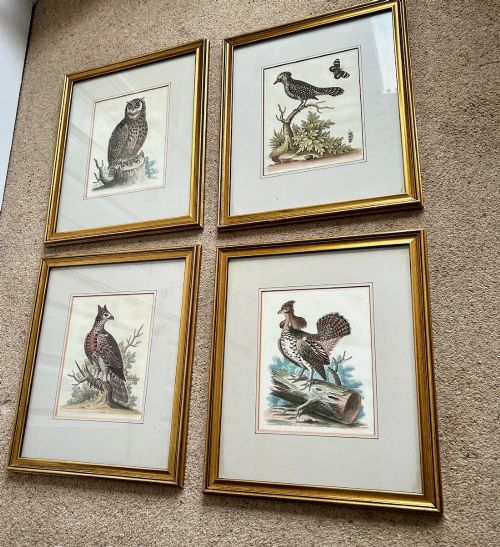
Ornithology art prints encompass centuries of scientific illustration, ranging from Georgian and Victorian engravings to Edwardian and mid-century lithographs and watercolours. A buyer exploring ornithology art prints will encounter individual sheets, paired compositions, and substantial sets depicting pigeons, parrots, game birds, and tropical species.
The selections span the eighteenth, nineteenth, and twentieth centuries, capturing shifts in natural history documentation. Most items on this page arrive already framed in wood, glass, or gilt mounts, ready for immediate display on walls.
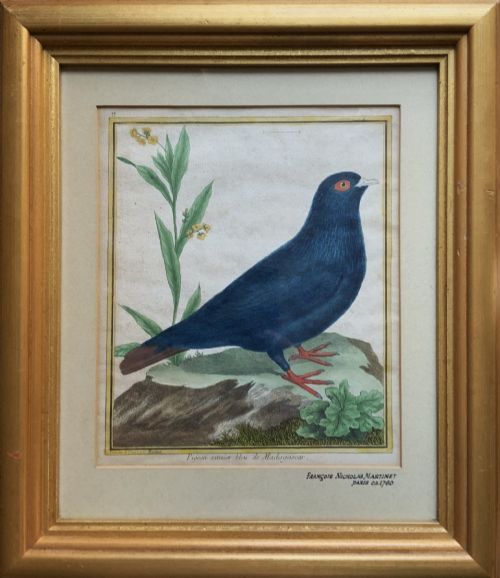
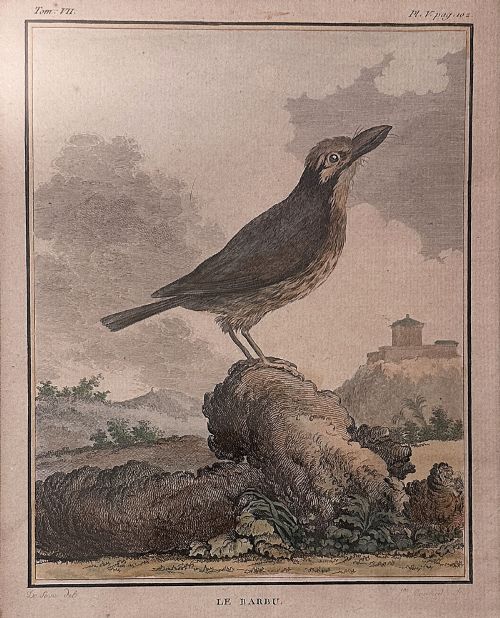
Earlier examples frequently employ hand-colouring over engraved lines, whilst later nineteenth-century pieces lean towards rich lithography. These works bridge the gap between scientific study and decorative art, suiting both dedicated natural history collectors and interior decorators.
Materials and methods
Production relies primarily on paper sheets worked in ink, watercolour, or lithographic colour. Artisans applied hand-colouring to early engravings, bringing individual specimens to life with subtle tints.
Framing materials incorporate wood, gilt wood, and gold leaf, often paired with deep mounts and protective glass to preserve the delicate paper beneath. These protective surrounds safeguard works created across the eighteenth, nineteenth, and twentieth centuries.
Ornithology Art Prints Retail Price Guide 2026
Typical asking prices for ornithology art prints among the pieces listed under this phrase on Sellingantiques today, from the lower quarter to the upper quarter. They describe what is for sale here now, not the wider market.
Listings incorporate items spanning from the eighteenth century through to the 1950s, utilising paper, glass, wood, and gold leaf.
Assessing quality
Quality rests upon the crispness of the original impression and the finesse of any applied hand-colouring. Works by documented naturalist artists command attention through superior anatomical accuracy and delicate brushwork.
The integrity of the paper and the quality of the framing materials also define the grade of a piece. Surviving examples with clean, vibrant pigments and sympathetic period framing represent the finest tier of production.
François-Nicolas Martinet·George Edwards·William Swainson·Edward Lear·Eleazor Albin·Rev B. Morris·Archibald Thorburn·Paul-Louis Barruel
The Ornithology Art Prints Glossary
- Engraving
- A printmaking technique where an image is incised into a metal plate, holding ink for transfer to paper under pressure. This method produced the fine, sharp lines characteristic of early scientific works.
- Lithography
- A planographic printing process based on the repulsion of oil and water, allowing for rich tonal gradations and vibrant colour application. It became the dominant method for mass-producing illustrated plates in the nineteenth century.
- Hand-coloured
- A finished monochrome print enhanced with watercolour or wash by hand. This painstaking process added realistic plumage hues to botanical and zoological plates.
- Giltwood
- Wood carved and coated with gold leaf or metallic paint. This finish frequently surrounds antique frames to provide a reflective, decorative border.
- Watercolour
- A painting method where fine pigment is suspended in a water-based solution on paper. Many original nature studies utilise this medium for immediate, lifelike colour.
Ornithology Art Prints: Frequently Asked Questions
How are these prints best displayed?
Framed works suit hanging in studies, hallways, and living spaces where their botanical and zoological details can be closely observed. Grouping matching sets together creates a striking gallery wall effect.
Keep pieces away from direct sunlight to prevent the watercolour pigments and paper from fading over time.
How do I identify eighteenth-century prints?
Eighteenth-century examples often feature fine plate marks left by the engraved metal printing surface. The paper typically displays heavy laid lines when held to the light.
Hand-colouring on these early pieces tends to have a softer, more translucent quality than later mechanical printing.
Are these works original or modern reproductions?
The selections on this page consist of period pieces dating from the eighteenth through to the mid-twentieth century. Each item reflects the printing technology and artistic style of its specific era.
Paper texture, ink density, and framing methods help confirm the historical period of manufacture.
Can I buy complete sets of prints?
Multi-plate series and coordinated sets frequently appear, depicting subjects such as game birds, tropical species, or specific avian families. These sets offer a cohesive look for larger wall spaces.
Keeping a matched series together preserves both the historical integrity and the decorative impact of the collection.