

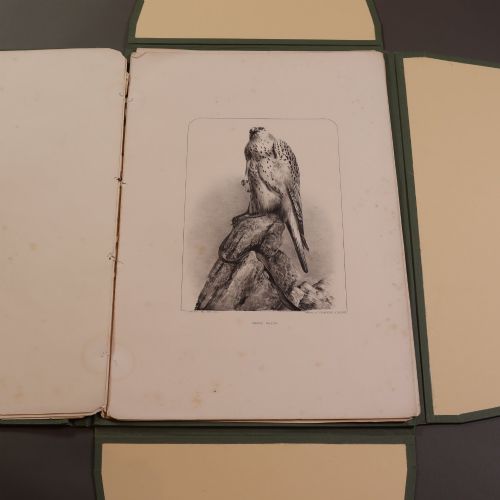

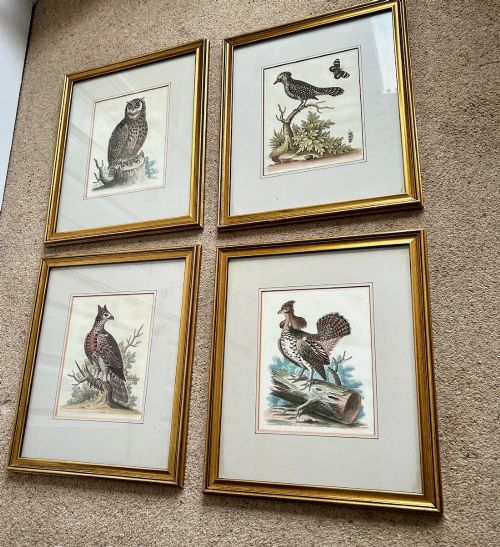


Ornithological Engraving
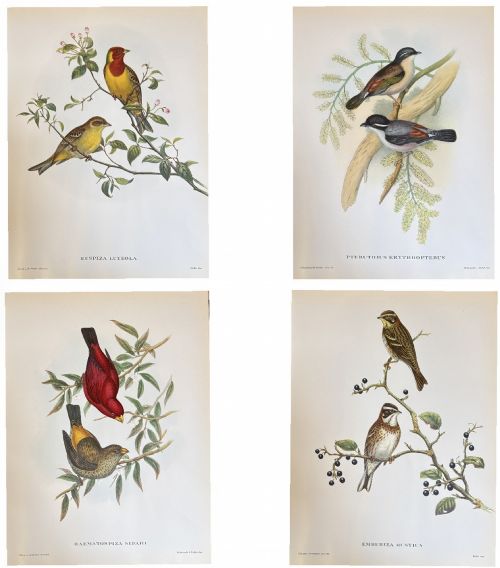
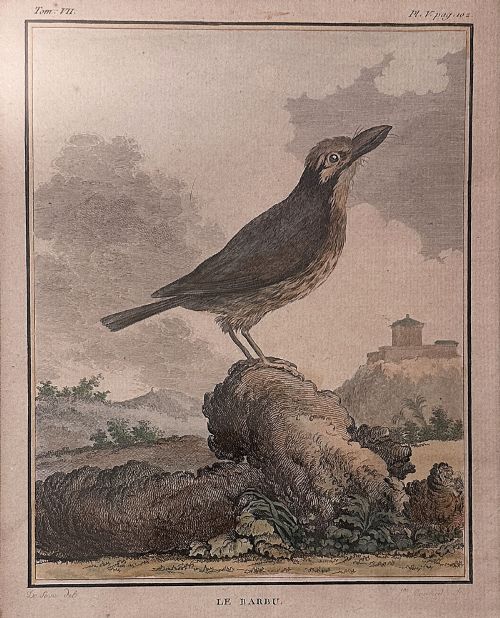
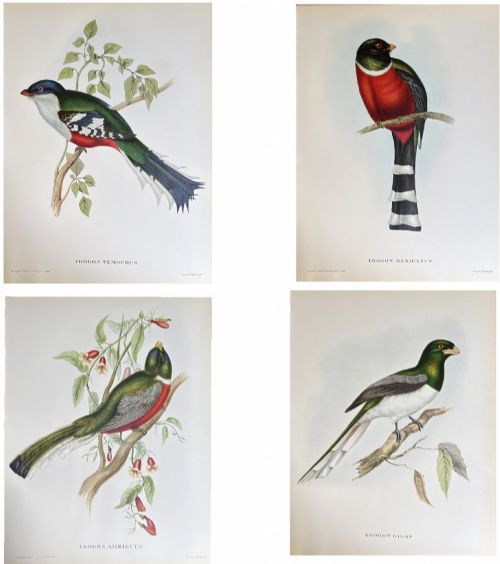
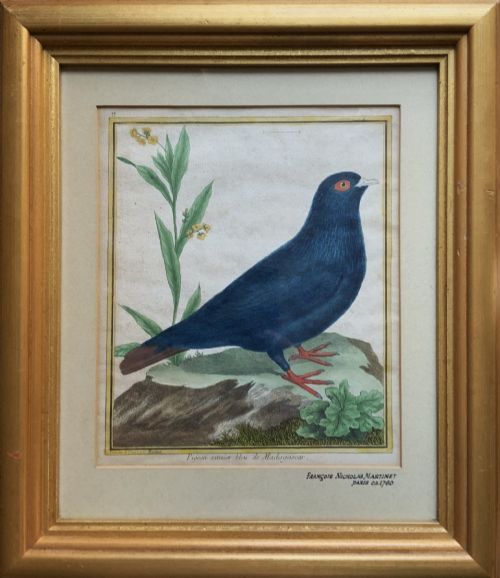
These ornithological engraving works bring eighteenth-century and nineteenth-century natural history studies directly into modern rooms.
Ornithological Engraving
An ornithological engraving represents bird studies produced across the eighteenth and nineteenth centuries, often captured within framed prints or wall art. Buyers seeking these pieces encounter works spanning Georgian, Victorian, and later twentieth-century periods.
The selections include individual plates alongside sets depicting tropical birds, ducks, pigeons, and waterfowl. Many examples originate from significant natural history series produced by noted illustrators.
Most items appear on paper using ink and hand watercolour techniques, housed behind glass within wooden or gilt wood frames. Sets range from pairs up to larger collections of ten or twelve plates.
How they were made
Makers applied ink to engraved plates to transfer fine linear details onto paper sheets. Artisans then added watercolour by hand to bring natural plumage and coloration to life.
Finished plates found protection beneath glass and mounting within wood frames, sometimes finished with gold leaf or gilt details.
Ornithological Engraving Retail Price Guide 2026
Typical asking prices for ornithological engraving among the pieces listed under this phrase on Sellingantiques today, from the lower quarter to the upper quarter. They describe what is for sale here now, not the wider market.
Several plates capture distinctly grumpy-looking pigeons and exquisitely detailed parrots that have judged human interiors for centuries.
What varies in quality
Quality depends upon the precision of the original plate engraving and the subtlety of the hand applied watercolour washes. Finer examples retain crisp lines and vibrant pigment without fading.
The completeness of original sets and the condition of the paper surface also influence desirability. Original framing materials, such as period wood and gilt finishes, contribute to the character of the piece.
François-Nicolas Martinet·John Hancock·George Edwards·William Swainson·Edward Lear·Eleazor Albin·Rev B. Morris
The Ornithological Engraving Glossary
- Engraving
- A printmaking technique where an artist cuts lines into a metal plate to hold ink for transfer. This method allows for fine, precise detail essential for scientific illustration.
- Hand coloured
- A process where watercolour pigments are applied by hand to a printed black and white image. This adds realistic hues to feathers and backgrounds.
- Lithograph
- A planographic printing method using a flat stone or metal plate. Artists use greasy substances so ink adheres only to the drawn areas.
- Gilt wood
- Wood decorated with gold leaf or a gold coloured finish. This material often frames antique prints to enhance their presentation.
- Natural history
- The scientific study of animals and plants, particularly as recorded through observation and illustration. Works in this field combine scientific accuracy with artistic merit.
Ornithological Engraving: Frequently Asked Questions
How should I hang bird engravings?
Keep these works away from direct sunlight to protect the paper and delicate watercolour pigments from fading over time.
Group related sets together on a wall to replicate the traditional style of a Victorian study or natural history collection.
Are these plates original antiques?
The selection includes eighteenth-century and nineteenth-century print editions alongside later mid-twentieth-century print reproductions.
Check the period details on each listing to determine the specific era of production for individual plates and sets.
How do I care for framed prints?
Ensure the room maintains stable humidity levels to prevent warping in the wood frames and damage to the paper. Dust the glass gently with a dry cloth without spraying cleaning liquids directly onto the frame.
Can I buy complete sets?
Listings frequently feature matching sets of four, six, or up to ten individual plates depicting related bird species.
These grouped pieces often share uniform framing and coloration from the same original publication.