



Ornate Work Table
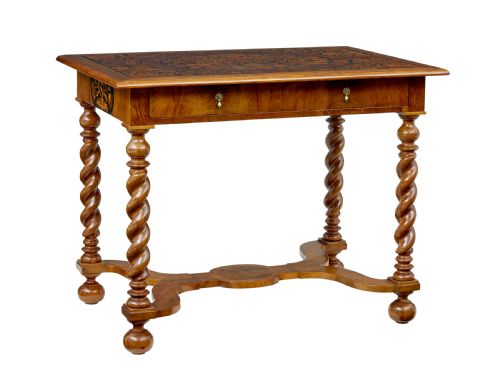
These ornate work table pieces combine heavy ironwork, warm walnut, and intricate marquetry to bring practical elegance into a traditional room.
Ornate Work Table
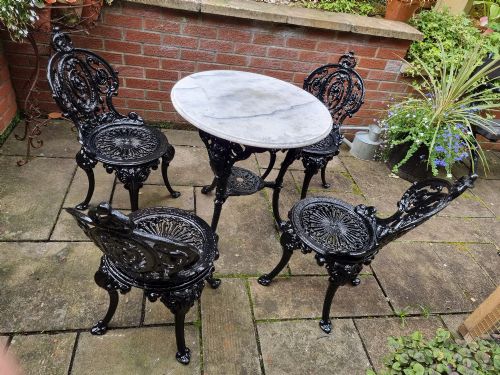
When you search for an ornate work table, you encounter a mix of nineteenth-century occasional pieces, centre tables, and occasional garden furniture. These items range from walnut and burr walnut creations featuring intricate marquetry to heavy cast-iron and wrought iron designs from the Victorian and Edwardian eras. French revivals, including Louis XV and Louis XVI styles, frequently appear alongside industrial and garden settings.
The versions most commonly met on this page span the nineteenth century through the early twentieth century, incorporating materials like brass, ormolu, marble, and fruitwood. Alongside traditional side tables and centre tables, related forms such as work tops fitted to walnut canterbury units and intricate metal table lamps emerge. Each piece reflects the decorative priorities of its period, balancing utility with ornate surface detail.
How they were made
Maker construction relies heavily on the combination of dense hardwoods like walnut and fruitwood with decorative veneers such as burr walnut and red tortoiseshell boulle-work. Craftsmen utilised marquetry inlay techniques to create patterned surfaces on centre tables and work tops, often enhanced by cast ormolu mounts and brass details.
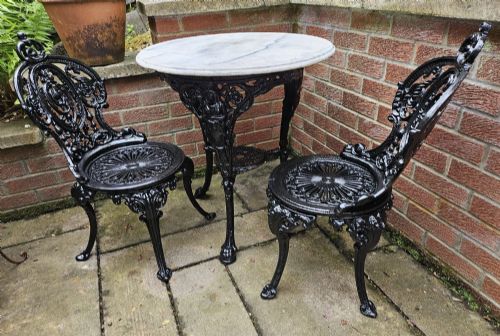
Metalwork pieces utilise cast iron and wrought iron, frequently formed into scroll work designs for garden and bistro sets or structural frames for tables. Marble tops provide heavy, polished surfaces, while combination pieces integrate brass, copper, and iron components into singular functional objects.
Ornate Work Table Retail Price Guide 2026
Typical asking prices for ornate work table among the pieces listed under this phrase on Sellingantiques today, from the lower quarter to the upper quarter. They describe what is for sale here now, not the wider market.
Listings incorporate nineteenth-century walnut furniture alongside cast-iron garden pieces and early twentieth-century metalwork.
What varies in quality
Quality differences emerge in the execution of the surface ornamentation, from simple metal scroll work to elaborate marquetry inlay and boulle-work. The crispness of hand carving on walnut structures and the precision of brass and tortoiseshell integration distinguish finer items from standard production.
The choice of materials also marks variation across the range, with solid marble tops and heavy ormolu or cast-iron detailing denoting more ambitious fabrication. Structural integrity in the joinery of nineteenth-century frames and the refinement of cast metal elements define the upper tier of pieces.
The Ornate Work Table Glossary
- Marquetry
- Decorative veneer work where pieces of wood, shell, or metal are fitted together to form geometric or pictorial designs on a surface.
- Boulle-work
- A type of marquetry using brass and tortoiseshell inlaid in contrasting patterns, named after the cabinetmaker André-Charles Boulle.
- Ormolu
- Gilded bronze used for decorative mounts and ornamentation on furniture and clocks during the eighteenth and nineteenth centuries.
- Canterbury
- A small wooden stand fitted with partitions for sheet music or books, occasionally adapted with an ornate work top.
- Occasional table
- A small, movable table designed for a specific, transient use rather than permanent placement in a room.
Ornate Work Table: Frequently Asked Questions
What is an ornate work table used for?
These pieces served multiple domestic purposes, acting as small writing desks, needlework stations, or decorative centre tables in a Victorian parlour.
Today they function effectively as occasional display surfaces or bedside tables in traditional interiors.
How do I identify Victorian pieces?
Victorian items frequently employ heavy walnut, elaborate cast iron, and dark patination reflecting mid to late nineteenth-century tastes.
Stylistic markers include heavy scroll work, intricate marquetry, and revival motifs drawn from French Rococo or Louis periods.
Are cast iron tables meant for outdoors?
Many cast iron and wrought iron pieces listed under this category were manufactured specifically as garden tables and bistro sets.
Their heavy construction allowed them to withstand outdoor placement while providing a sturdy surface.
What is boulle-work furniture?
Boulle-work involves intricate patterns cut from brass and scarlet tortoiseshell, fitted together to create a contrasting decorative veneer.
This technique appeared on nineteenth-century French furniture, centre tables, and decorative accessories.