

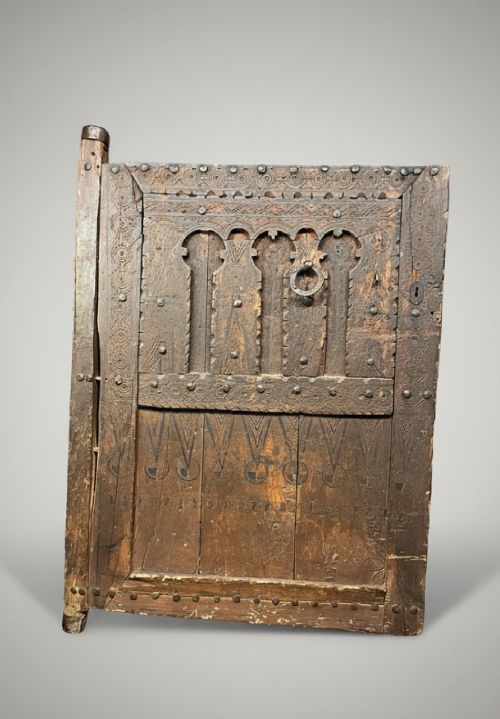


Ornate Wooden Panels
These ornate wooden panels bring carved depth and architectural presence into a room, spanning periods from the Victorian era to the early twentieth century.
Ornate Wooden Panels
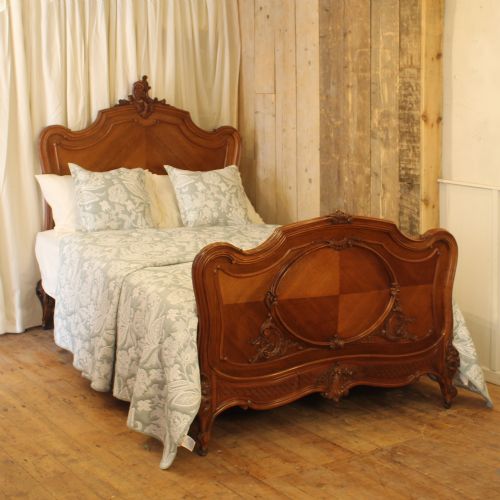
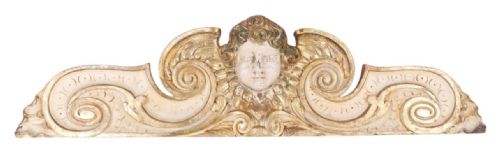
When you search for ornate wooden panels, you are looking at substantial pieces of architectural salvage, decorative boards, and carved elements drawn from furniture and interiors. The selection ranges from over door carvings featuring cherubs to fairground boards and tribal doors.
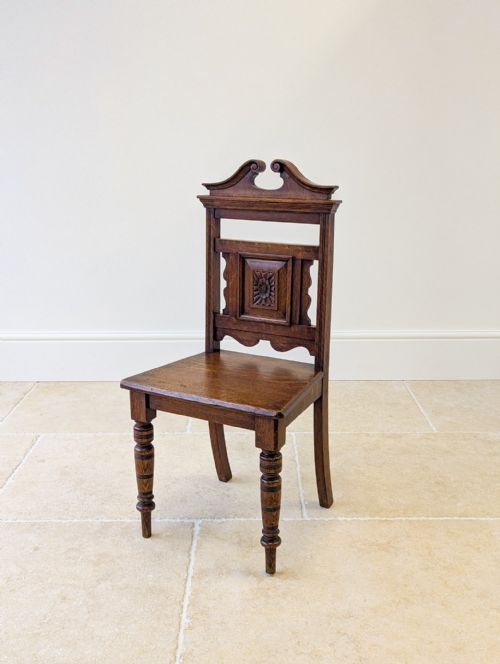
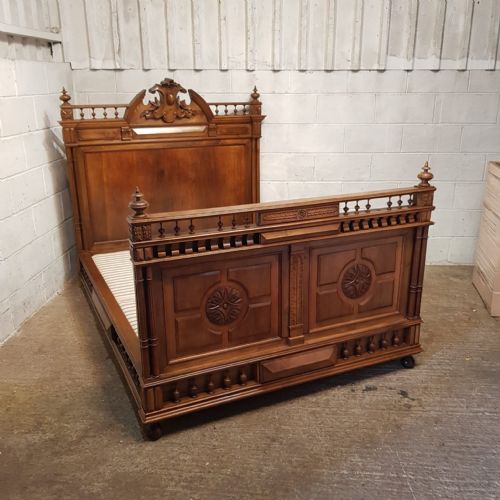
The most likely versions you will meet on this page date from the nineteenth century up to 1920. They take forms such as overmantle mirrors, fire screens, and structural panels integrated into beds, settles, and cabinets.
Makers drew upon diverse stylistic vocabularies, producing works in Renaissance Revival, French Rococo, Baroque, Black Forest, and North African Tribal idioms. Oak and walnut dominate the construction materials across these various forms.
How they were made
Makers carved these panels primarily from solid timbers like oak and walnut, occasionally employing walnut veneer over secondary woods. Master carvers worked the timber by hand to create high-relief figures, scrollwork, and naturalistic motifs.
Surface decoration frequently incorporated gold leaf and gesso to highlight specific carved details and enrich the visual texture. Some items also integrated glass, notably within mirror frames and combined furniture pieces.
Ornate Wooden Panels Retail Price Guide 2026
Typical asking prices for ornate wooden panels among the pieces listed under this phrase on Sellingantiques today, from the lower quarter to the upper quarter. They describe what is for sale here now, not the wider market.
What varies in quality
The depth and definition of the hand carving determine the visual strength of each piece. Crisp undercut details demonstrate superior craftsmanship compared to softer, shallower moulding.
The choice of primary timber and the preservation of original surface finishes, such as gilt and polish, dictate the overall character. Integrated elements like figural cherubs or distinct regional motifs elevate the artistic ambition of the work.
The Ornate Wooden Panels Glossary
- Architectural salvage
- Building elements removed from structures for reuse as decorative objects. These items often preserve historic craftsmanship and intricate joinery.
- Gesso
- A plaster-like mixture applied to wood as a base for gilding or painting. It provides a smooth surface for applying gold leaf.
- Overmantle mirror
- A large looking glass designed to hang directly above a fireplace mantel. They frequently feature elaborate carved wooden frames.
- Renaissance Revival
- A nineteenth-century stylistic movement drawing inspiration from sixteenth-century classical architecture and art. It favours robust proportions and dense ornamentation.
- Black Forest
- A nineteenth-century style of wood carving originating from the German region, known for naturalistic animal and foliage motifs. Pieces often utilise deep relief work in dark oak or walnut.
Ornate Wooden Panels: Frequently Asked Questions
How were ornate wooden panels used originally?
These carved wooden pieces served functional and decorative roles within grand interiors, acting as structural components of beds, settles, and cabinets, or mounted directly above doorways.
Others functioned as freestanding fire screens or architectural salvage salvaged from historic buildings to enrich domestic spaces.
What woods were used for these panels?
Makers relied predominantly on dense hardwoods capable of holding sharp carved details over time. Oak and walnut appear most frequently across the available inventory.
Selected items also incorporate walnut veneer or secondary supports, paired with applied gesso and gold leaf for decorative contrast.
How do I date an ornate wooden panel?
Dating relies upon identifying the characteristic style, construction methods, and material usage associated with specific periods like the Victorian era or the early twentieth century.
Stylistic markers such as Renaissance Revival motifs or regional traits like North African tribal patterns help narrow down the historical context of each piece.
How do I live with these wooden pieces?
Integrating carved panels into a modern interior works best when given adequate wall space to display the depth of the relief work. Large items like overmantle mirrors or architectural boards function well as focal points.
Positioning them away from direct heat sources helps protect the dry timber and historic finishes from cracking or warping.