




Ornate Wood Accent Table
An ornate wood accent table brings carved detail and rich materials into a room, offering a surface that holds a lamp or a glass while setting a distinct tone.
Ornate Wood Accent Table
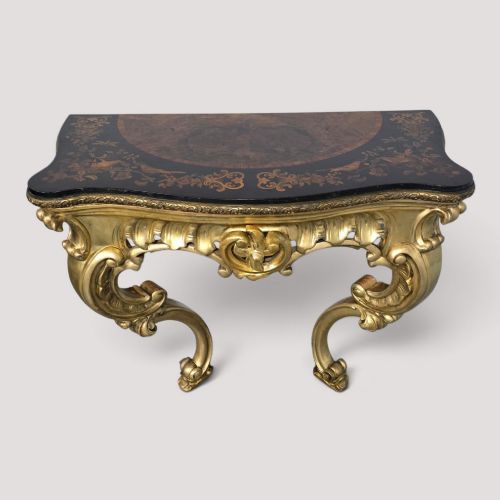
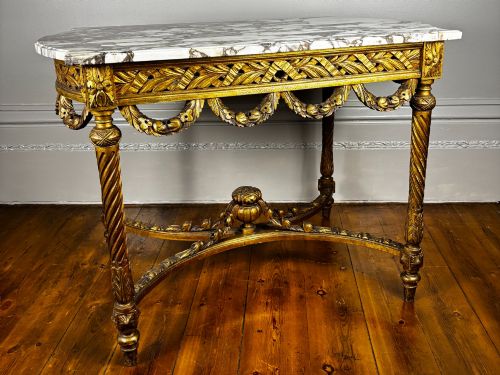
An ornate wood accent table encompasses small occasional furniture designed to catch the eye through carved surfaces, gilding, and distinct regional styles. When exploring the category, you encounter side tables, wine tables, and console tables that bridge functional use and decorative impact.
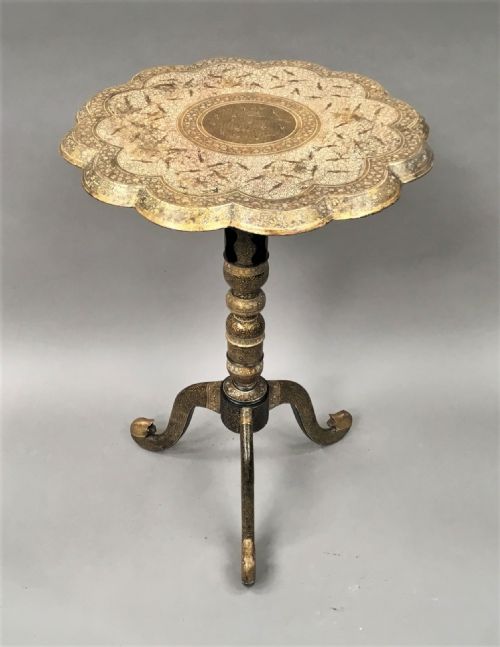
The selections span various periods from the eighteenth century through the early twentieth century, showing influences ranging from Italian Neoclassical and French Rococo to Anglo-Indian and Chinoiserie traditions. Most examples rely on substantial carved woodwork often paired with contrasting stone or metal elements.
You are most likely to meet Victorian pieces alongside nineteenth century Continental European designs, frequently incorporating giltwood, gesso, and marble tops. These variations offer a compact way to introduce historical craftsmanship into domestic spaces without requiring a large furniture footprint.
Assessing craftsmanship and finish
The depth and crispness of the hand carving separate simpler pieces from finer works, particularly where foliage, dolphins, or figures are shaped directly from the solid timber. Superior execution shows in the precision of the joinery and the harmonious proportion between the decorative base and the functional top.
The application of surface finishes also dictates the overall standard, distinguishing between smooth, even gilding and painted details that retain their clarity over time. Tables that integrate heavy stone or marble tops require robust underlying frames to support the weight securely.
Ornate Wood Accent Table Retail Price Guide 2026
Typical asking prices for ornate wood accent table among the pieces listed under this phrase on Sellingantiques today, from the lower quarter to the upper quarter. They describe what is for sale here now, not the wider market.
Several pieces feature carved dolphins and blackamoor figures, proving that historical makers enjoyed bringing unexpected aquatic and human forms into the parlour.
The Ornate Wood Accent Table Glossary
- Giltwood
- Wood that has been coated with a thin layer of gold leaf or gold paint. This technique creates a bright, reflective finish popular in Baroque and Rococo furniture.
- Gesso
- A plaster mixture applied to wood as a base for painting or gilding. It provides a smooth, prepared surface for detailed carving and gold leaf application.
- Console table
- A table designed to stand against a wall, often secured to it for stability. These pieces frequently feature ornate front legs and decorative aprons.
- Cloisonné
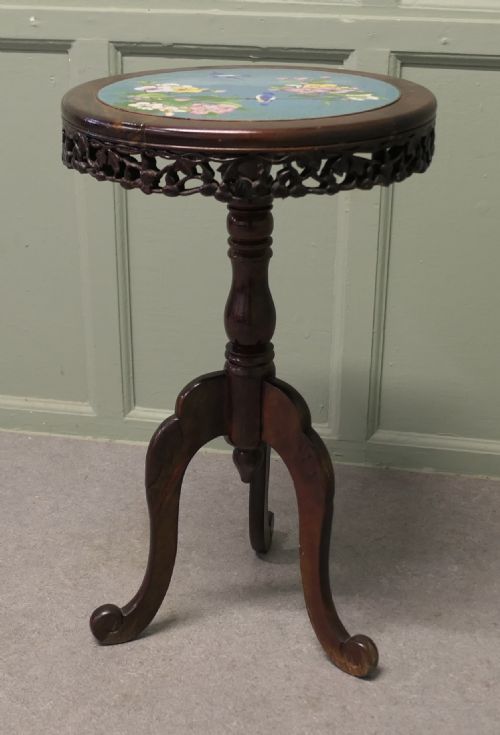
- An ancient technique for decorating metalwork objects with coloured material held in place by thin metal strips. On tables, this appears as decorative panels or insets.
- Pedestal table
- A standalone table supported by a single central pillar and base. This form allows maximum legroom while providing a compact display surface.
Ornate Wood Accent Table: Frequently Asked Questions
Where should I place an accent table?
These tables work well in hallways, living rooms, and bedrooms where space is limited but visual impact is desired. They provide a convenient surface for lamps, decorative objects, or drinks.
Because of their ornate carved details and gilded finishes, they often serve as focal points rather than purely utilitarian furniture. Positioning them away from heavy foot traffic helps protect delicate woodwork and painted surfaces.
How do I care for giltwood?
Giltwood requires gentle maintenance to preserve the delicate gold leaf and underlying gesso layers. Dusting should be done lightly with a soft, dry cloth rather than chemical polishes.
Keep these tables away from direct sunlight and excessive moisture to prevent the wood from warping and the metallic finish from flaking. Careful handling ensures the historical surface remains intact.
What is the difference between a side table and a console table?
Side tables are generally freestanding items designed to sit beside seating or against walls in various room layouts. They offer all-around finished angles and independent structural support.
Console tables are specifically built to stand directly against a wall, sometimes relying on wall fixings for total stability. Their decoration is concentrated on the front and sides that remain visible.
How can I tell the period of a carved wood table?
Dating relies on examining the specific stylistic markers, such as the curved lines of French Rococo or the restrained symmetry of Italian Neoclassical design. The types of timber and methods of carving also offer clues to the era of manufacture.
Secondary materials like marble thickness, brass fixtures, and the nature of any painted decoration help narrow down the decade or century of origin.